OCA’s assessment guide suggests that you choose four to six images from your strongest assignment for this particular outcome. I have decided to pick four out of the original seven pieces from ‘Languages of Light’ to present a skilful use of controlled light, post-production techniques such as ‘inverting’, the visual impact of mirrored compositions and my understanding of contrast.
To select these images, I revisited my assignment and chose the four shots that best showed variety while considering the importance of a coherent set. The pieces document a range in texture, shape, unique use of light and composition.
The Scan photographs; (see Fig. 1-4) explore intricate details found within the crops we grow, much like a human bodies veins, muscles and skin. Using an LED light pad and thin slices of various foods to document diversity enhanced the textures and densities within the subject. The shallow depth of field softened some areas within the photos, drawing the eyes towards the heavily textured, contrasted and various forms provided by the subject. Creating mirror images from the individual shots exhibited an eerie, human-like set of photos that reflect the ghostly results MRI scans can reproduce. Presenting them as separate prints allow the audience to explore each image in-depth, one by one, rather than a collective that can distract the eyes and overwhelm them with too much information all at once.
– Inserted my mind-map exploring the ideas Opposites and Minimalism with a paragraph reflecting on the results
– Discussed the concepts I want to explore and research in further detail in this post
– Wrote a paragraph on the Minimalism art movement and what it consists of
– Provided a short paragraph about the photographer Paloma Parrot, along with an image which I briefly analysed
– Studied the history of the polaroid camera, the interest behind it and the benefits
– Researched Ziqian Liu and analysed one of her images in detail before reflecting on the post as a whole
– Decided to explore the combination of a minimal composition with a complex subject, to explore the ‘simple’ statement while arguing my belief that photography is anything but simple.
Fig. 1. Photography is simple (2021)
My mind-map (see Fig. 1) explores various branches of ideas underneath the Opposites and Minimalism concepts briefly discussed in my initial thoughts post (2021). Experimenting with difficult subjects would bring a challenge to the project as I would have to get the shutter speeds correct, plan accordingly to fit within specific time scales and events. Bearing that in mind, it wouldn’t be the most ideal choice due to restrictions with travel and gatherings. I like the idea of using an instant camera whether that be a polaroid camera or disposable, as that restricts me to a set amount of shots, not an easy task. Mixed media or collages would be interesting to combine with the use of physical photographic prints.
Simple poses would be perfect to use in unison with a single person for my subject choice, this takes the pressure off of the individual to get into positions they’re not comfortable with. A ‘candid’ aesthetic could be achieved if I explored this route. Negative space and restrictions in colour would provide a clear focal point for the viewer and could influence the particular mood the composition is trying to portray as a whole.
Limiting the type of subject of interest could become quite challenging depending on what is chosen, for example, capturing various styles of windows in a built-up area may not be as easy as it sounds due to a set blueprint for the buildings.
Further research on a few of these concepts needs to take place so that I can decide on a final idea for this assignment.
I will look at minimalism in more detail, explore the history of polaroid photography, portraits and artists who subtly portray complex ideas.
Minimalism:
‘Minimalism is an extreme form of abstract art developed in the USA in the 1960s and typified by artworks composed of simple geometric shapes based on the square and the rectangle’ (Tate, 2017).
Minimalist art pushes the boundaries of abstract art and what it is, by removing the elements that could encourage the viewer to see a piece of art in a particular way. A ‘typical’ form of abstract art could contain a variety of colours that mix to depict a certain mood, action or a sequence of shapes and lines that form a bigger subject. This approach goes back to basics by using simple shapes, a minimal selection of colours if any, pushing the viewer to “just see what you see” (Frank Stella 1966, cited in ARTnews, 2015:2) without much information at all.
The movement began in the late ’50s before continuing to grow in the ’60s and ’70s with the likes of Donald Judd and Robert Morris. It is compared with the conceptual art movement due to the similarities between the ‘unusual and its ability to challenge the stereotypes of what art is, usually only appreciated by a specific audience (Tate, 2017).
Simplicity can be beautiful, as it strips back any unnecessary details that may otherwise clutter or influence the final result of the art.
Paloma Parrot
Paloma Parrot is a minimalist photographer based in Ruhr, Germany. She has over 20 years of photographic experience, encourages that people take a camera wherever they go and sticks to a colour palette of grey/white with a burst of colour to draw attention. Her toolkit consists of a tripod, remote trigger to help capture self-portraits without the additional help of others or a timer (Parrot, n.d.).
Parrot is minimal in every sense of the word from the tonal choice, subject, titles and such, an inspiring way to work, to say the least. As photographers, we can get carried away with an abundance of different lens, lights and cameras, that it’s not always ideal when shooting on the go. Keeping everything manageable and light must make the photographic experience more enjoyable and smooth.
Fig. 1. Upside down (2018)
One of my favourite images from her Instagram page is Upside down (see. Fig. 1) as it features little colour, besides a few different shades of blue and the standard white, greys with the occasional dark shadow to add depth to the composition. While it may look like an effortless image the framing will have taken time to perfect, it seems to have been taken on a polaroid implying a limited amount of attempts and the subject in question had to pose in the most abstract way for the image. Nothing about this is that simple besides the shapes and colour palette. Geometric shapes bring complexity to the photograph, cutting the frame into sections and encouraging the eyes to explore the piece in its entirety. Using the legs as the focal point is an interesting choice, as the audience is left wondering who the person is, why they’re in that position in the first place and what else is outside of the frame. Conceptually the portrait may be referencing the action of falling down a rabbit hole like Alice in Wonderland, adding a layer of humour to the piece and fleshing out what could be seen as quite a ‘boring’ picture. The context for this art isn’t given so despite the arrangement being minimal there are many messages and possible references this shot could explore, in turn, forming a juxtaposition within itself.
‘Instant Photography – Polaroid photography
The polaroid was created by Dr Edwin Land, a scientist and CEO of the Polaroid company following a conversation with his young daughter who asked why she couldn’t see the picture following its capture. When Land started the company in the 1930s Kodak bought his first product — the polarizing filter. And for most of the ’50s and ’60s, it manufactured negatives that Polaroid used in its film packs (Legacy User, 2012).
Polaroid cameras do everything that a dark room would have to do, the film is exposed to create a negative image before it is developed within the camera to create a positive print that becomes permanent once it develops in its entirety. The company hired a selection of famous artists to use the cameras and film, as a way to advertise the product and draw attention to it through the eyes of the most prominent creators at the time (Legacy User, 2012).
Watching an image come to life right in front of you is exciting to experience, as you feel as if you are part of the entire process from pressing the shutter to development, without the additional chemicals and time-consuming process. Over recent years, the camera has become increasingly popular with a younger modern audience. Instax has created models that are less expensive and more accessible to those who are on a budget but still want to experience the magic of polaroid photography.
Due to the limited number of film sheets in a pack, the lack of self-timers and the ability to delete the image once it’s been taken makes the photographs taken more unique and challenging to prepare for. Each picture counts, so thinking about your composition is important if you’re unable to have a backlog of films to hand.
Unlike disposable cameras, prints are available instantly beside the developing time, this allows the creator to enjoy the photographs without having to pay or wait for the film to be developed in a lab.
Ziqian Liu
Ziqian Liu, a Shanghai-based photographer, specialises in self-portraiture. Similar to Paloma Parrot her approach is minimal and subtle with the colour palettes chosen for the subject. A lot of her pieces explore the relationship between flowers, fruit and us as humans much like Carol Sharp, a macro photographer who connects with plants as a way to capture their beauty.
‘In her work, the image in the mirror represents the idealized world she wishes to live in,’ (ARTPIL, 2019). Taking a picture of a reflection shows it from a different perspective and angle to what would initially be seen if it were taken with the subject directly in front of the camera. For example, the reflection of a palm shows the opposing side of the back of a hand.
Documenting the body in such a simplistic manner brings intimacy and privacy to the composition, targeting a singular area to be the focal point puts it at the forefront of the photograph. As a result, the audience can appreciate and connect with the body in the frame a lot more than a full-body image. We are given less opportunity to look for what we want, instead of being lead to analyse what is provided and understand it.
Fig. 2. Skin (n.d.)
The example I have picked from Liu’s Skin album (see. Fig. 2) is delicate. From the soft diffused light to the smooth texture of the skin in the frame. A pop of colour brings life to composition, possibly referencing the beauty of life’s process within nature and for us as human beings, we all have a life and death cycle that is fragile as one another. A gentle placement of the hand at the top, adds intimacy to the piece by touching and connecting with the human body. The pose isn’t tense or obnoxious, everything about it is calm and warm. Cropped framing brings you closer to the subject, enhancing the textures and shapes that the body has, something we all have so is a source of relatability. The tones are fairly neutral, but compliment the photograph as harsher colours, highlights and shadows would’ve created a jarring, intense image rather than a welcoming one. There is a subtle leading line throughout due to the placement of the flowers. Starting from the top and curving slightly round towards the bigger flower head on the belly button or back. The context for this composition is quite blurred as it’s unclear as to which part of the body this is, which I touched on in the previous sentence.
Art such as this feels personal, creating a story for the audience whether they know the context or concept beforehand. The human body is an incredibly relatable subject, the ‘flaws’ and marks that each of us have that show a journey or make us unique. It’s simple from an aesthetic standpoint, however, if you look deeper there is much more to be explored.
Intimacy in film and TV
Normal People has been considered one of the best television productions in the modern age, due to its handling of young love, the hardships and beauty of it all. It includes many intimate scenes which is unusual for BBC productions, however, they were directed beautifully, respectfully and it comes across through the camera extraordinarily. The shallow depth of field softens the environment around the characters, enhancing the delicate nature of the skin on show, lighting is warm and inviting, rather than cold and uncomfortable. Close framing respects the actor’s privacy as well as focusing on the parts of the body that make us human or add personality (see Fig. 3). This approach brings the viewers into a place that may be familiar, challenging or easing their feelings surrounding intimacy and image. Many sexual scenes are over the top, extreme and unrealistic to most viewers, so to have a variety of scenes that perfectly portray the reality of opening up and showing yourself to another or a mirror is powerful. It’s human.
Fig. 3. Normal People (2020)
Reflection:
The open nature of this brief allows for a flexible brief without too many restrictions, it is up to us as the students to decide what we think the project should be about and how we’re going to portray that idea.
Taking the word ‘simple’ and exploring the minimalist art movement has been one way for me to inject the concept of photography being as such. However, gathering examples from minimalist photographers further supports my belief that despite a ‘basic’ composition, subject or theme, the background and makeup of the pieces are less than straightforward. Photography is full of thoughts, planning and meanings that flesh out the art, allowing the audience to connect with it more deeply.
Combining a minimalist art style, with the use of an instant camera and a complex subject such as the human body, a system full of organs, cells, DNA creates a juxtaposition between the aesthetic and concept. I would be able to fulfil the statement ‘Photography is simple’ while proving my point at the same time, creating a ‘for and against the type of project.
Going forward I intend to take a few test shots with my Instax instant camera to see how achievable this project will be.
In this post I – Included the exercise brief to re-visit Henri Cartier-Bresson’s photograph Behind the Gare Saint-Lazare (1982) – Before inserting the image and explaining the point within the image I felt was the most signification and why. – Referenced one of my own images to give context to the use of a focal point and the rule of thirds. – Included a short reflection on the importance of understanding the pivotal points within a piece of art.
Brief:
‘If photography is an event then looking at photography should also be an event. Look again at Henri Cartier-Bresson’s photograph Behind the Gare Saint-Lazare in Part Three. (If you can get to the Victoria & Albert Museum in London you can see an original print on permanent display in the Photography Gallery.) Is there a single element in the image that you could say is the pivotal ‘point’ to which the eye returns again and again? What information does this ‘point’ contain? Remember that a point is not a shape. It may be a place, or even a ‘discontinuity’ – a gap. The most important thing though is not to try to guess the ‘right answer’ but to make a creative response, to articulate your ‘personal voice’.
Include a short response to Behind the Gare Saint-Lazare in your learning log. You can be as imaginative as you like. In order to contextualise your discussion, you might want to include one or two of your own shots, and you may wish to refer to Rinko Kawauchi’s photograph mentioned above or the Theatres series by Hiroshi Sugimoto discussed in Part Three. Write about 300 words.‘ (Bloomfield, 2018).
Behind the Gare Saint-Lazare re-visit:
Fig. 1. Behind the Gare Saint-Lazare (1982)
Behind the Gare Saint-Lazare is extraordinary as Cartier-Bresson shot it through a small gap in the wall, unaware of the activity going on behind it. The pivotal point for this shot is the movement. Despite the composition being full of details, textures and shapes becoming a playground for the viewer to explore, the eyes are always drawn back to the blur within the shot. It stands out from the rest, a frozen backdrop in black and white while the mysterious shape to the right flies through the frame.
You are made aware of the direction of movement and the travel speed without being there in the moment. It’s an image that tells its own story, a moment of urgency on a wet day as they jumped over or through the puddles below. You want to know where they are going, why they are running and if something exciting or disastrous happened outside the frame.
The tonal balance within this picture is mixed, with the majority of them being light greys and white. Meanwhile, the silhouette and items nearby are heavily contrasted, making it difficult to ignore.
There is life within the frame, a definitive moment that took place and was unique in photographic execution. Not many images can document a piece of history intriguing enough for the audience to stay and observe it for a length of time over and over. While there may not be a clear leading line, there is an obvious focal point pushing the eyes to look and appreciate it whether they want to or not. It’s so powerful.
An example of drawing the eyes towards a particular point without a leading line features in one of my product images (see Fig. 1) through the use of the rule of thirds.
Fig. 2. Sloth (2021)
Reflection
Re-visiting an image can help you appreciate the piece of work, especially if you have more knowledge to hand. Understanding what ‘makes’ an image and shapes it, encouraging the viewer to look deeper and sit with the art for longer solidifies the importance of composition, balance and intent.
– Included the research point brief and my response to it by referencing the text throughout.
– Inserted the exercise brief for ‘Homage’.
– Wrote a short paragraph about Carol Sharp and how she connects with her subjects while photographing
– Before comparing one of her images with my own as a homage
– Alongside a brief analysis of my response and the context
– Inserted a couple of extra images to show how I paid homage to Sharp’s work
– Included a past image from my archive, with a short analysis of the message and context behind it
– Before reflecting on what this exercise taught me
Research
‘For a short introduction to how context operates in relation to photographs, read Terry Barrett’sessay ‘Photographs and Context’:terrybarrettosu.com/wp-content/uploads/2017/08/B_PhotAndCont_97.pdf[accessed 25/01/18].Barrett suggests that we interpret pictures according to three different types of information:information in the picture, information surrounding the picture and information about the waythe picture was made. He calls these the internal context, the external context and the originalcontext‘ (Bloomfield, 2018).
Images can be incredibly flexible in terms of context, based on the environment, the subjects within the frame, the colours or lack thereof. However, the context of a photograph can alter depending on whom it reaches. For example, in Terry Barrett’s Photographs and Contexts (Barrett, 1985) a photograph of a pair sat outside a bar taken by Robert Doisneau was given different contexts; to Gisele Freund’s knowledge, up to five times by various magazines, brochures and galleries. A few examples of this consist of accusations of sex work, alcohol abuse and seduction (Barrett, 1985).
The initial context behind Doisneau’s shot was simply a moment of charm as he enjoyed cafe’s and seeing the couple together was enjoyable.
‘Texts that surround the photograph eliminate any residual ambiguity’ (Barrett, 1985). If we were to put a picture of a beef burger on the front of a vegan magazine, it would probably cause some shock before going on to talk about the environmental effects and immoral behaviour of the industry, however, on the front of a restaurant menu, people would be enticed and seduced by how good it looked.
Images are used for other things, different to their initial intent. Pictures of lungs on a cigarette packet are used to encourage smokers to stop smoking before too much damage occurs but are initially used for scientific and medical research.
The placement of an image is another factor to consider for context. The display of a picture of people in poverty may glorify the situation for the benefit of art and a famous gallery rather than portraying the horrific effect on lives in a place you would expect to see such circumstances.
No matter where you are in the world or what language you speak, photography can be a source of communication for some people (Sander, 1978 referenced in Barrett, 1985:114), whether an artist is documenting their mental state or an audience expressing feeling by sending a photographic meme. Despite the global interaction with these photographs, they may not provide the same message to one person in the way it did to another. Context is still subjective depending on the viewer.
Internal context includes the image, title, date and maker. External context would be the presentational environment, so where it’s displayed. The original context is the ‘causal environment’, in other terms, the physical and psychological elements available to the photographer at the time of capture (Barrett, 1985).
To understand the context as an audience, we need to look deeper and consider everything, including what the photographer may have been doing or thinking at the time. These things combined will help us appreciate the make-up of the image a lot more.
Brief:
‘Select an image by any photographer of your choice and take a photograph in responseto it. You can respond in any way you like to the whole image or to just a part of it, but youmust make explicit in your notes what it is that you’re responding to. Is it a stylistic devicesuch as John Davies’ high viewpoint, or Chris Steele Perkins’ juxtapositions? Is it an idea,such as the decisive moment? Is it an approach, such as intention – creating a fully authoredimage rather than discovering the world through the viewfinder?Add the original photograph together with your response to your learning log. Which of thethree types of information discussed by Barrett provides the context in this case? Take yourtime over writing your response because you’ll submit the relevant part of your learning logas part of Assignment Five.‘ (Bloomfield, 2018).
Carol Sharp
“Carol Sharp is an award winning photographer and fine artist, renowned for her lyrical composition, attention to detail and her delicate touch with light.” (Carol Sharp, n.d.)
Sharp is UK based photographer who has over 20+ years of professional photographic experience, has featured in Chelsea Flower Show posters in the past. Her exploration of the world and its plants is a way to encourage society to reconnect with nature and empathise with it.
“I use different types of perception to not only see their form, but to understand the meaning of the form and to reveal its ‘gesture’. which means having a communion with my subjects and a desire to feel their very life force.” (Sharp, n.d.). Unlike the majority who may pass by a flower or tree without much notice, Sharp truly connects with her subjects to understand them and appreciate them. I think this shines through in her work as the framing is cropped and intimate as shallow depth of field emphasises the soft petals and delicacy of the foliage and flowers in the composition. Vibrant colours bring life to the images, subtly getting the viewer to realise that this life source is living, thriving and a powerful part of our world. Flowers, trees, moss and other forms of plants keep this world functioning, helping us live and grow. It’s important to be grateful for what is around us, something Sharp does very well.
Due to how Sharp talks about her work and the passion for her subjects, I would say that the original context is the most prominent context type in these images. Bearing in mind the importance to the maker, it heavily influences how the viewer sees the subject, making it feel more personal and ripe with life. The images are not just another simple set of shots of a bunch of flora and fauna as time and energy have been taken by the creator to capture the beauty.
The selection of images I paid homage to for this exercise came from the Plant Portraits (n.d.) album.
My SONY A57 camera was on manual mode, the aperture was at F/1.8, the shutter speed was 1/250 and ISO was set to 100. The shooting process was simple as I took a walk around my garden during dusk, capturing a few of the flowers available to me. The response to this exercise was to keeping original context at the forefront of my mind by analysing the subjects and connecting with them before pressing the shutter. A creamy shallow depth of field and cropped framing were two of the most important visual and technical elements to include during this shoot.
Fig. 1. Plant portraits (n.d.)
Fig. 2. Homage 3 (2021)
Homage 3 (see Fig. 2) referenced the feature of a poppy seed head in Sharp’s image (see Fig. 1.) by capturing the metal sculpture in my garden, a permanent piece of art, unlike an actual poppy. Using an aperture of F/1.8 enabled me to get the creamy bokeh effect that flows throughout Sharp’s work so beautifully; focal points draw the eyes of the audience to the subject, all of its details, the textures and colours. Cropping the frame brings the object closer to the camera lens, allowing the viewer to observe it more intimately and connect with what is going on within the composition. Contextually, this metal poppy head was a gift to my dad from my mum for his birthday, so holds a deeper meaning for me, much like Sharp attaches to her subjects to appreciate it more. The colours within Plant portraits are vibrant, warm and full of life, while tones within my homage are earthy, so despite it being artificial, the subtle connection to nature and its rich soil is a clever addition to my piece. From a conceptual point of view, the relationship between the two shots juxtaposes despite a few similarities. Sharp embraces the life and death of plants, reconnecting to their importance for our survival as living beings. On the other hand, I have captured a replica of a pollinating plant that will never pollinate, an unintentional parody of how humans keep making things that do not benefit the world environmentally.
Original context brings more personality to photographs as you understand why it was taken, how it made the creator feel, what was going on at the time and the image that was achieved as a result. It pushes the audience to explore it to understand it as a whole composition rather than a simple picture. The work I shot may be unoriginal visually, but the extra level of information lifts it and makes it a rich piece of art.
The internal and external context is just as important but feels less characteristic for some artworks in my opinion as it allows the viewer to come up with their own story as to what the photograph contains and what it may be portraying. Some photographs need that extra bit of information to steer the observer in the right direction.
Here are a few other images I took for this exercise:
Fig. 3. Homage 1 (2021)
Fig. 4. Homage 5 (2021)
Homage example from past archive:
Fig. 5. Draw this in your style (2019)
Fig. 6. Rose (2019)
While this isn’t a homage inspired by a photographer, it was an image I created as a tribute to the Draw this in your style (2019) drawing by Ellie Goldwine on Instagram. My response to this piece was approached with intent, having complete control over the props used, outfits and makeup worn, as well as the background, pose and editing. It became a reversed image of the original piece (see Fig. 5), the dress chosen for my composition (see Fig. 6) was the opposite colour creating a juxtaposition between the two. Rather than red roses, light pink roses were used and the circular framing around the drawing in my piece represented the full moon. Everything about the photograph I created was intentional, as the brief was to create something in your style from the reference given.
The context for this piece was internal, as it was inspired by the Draw in your style title and image. Without this information, I may not have been encouraged to replicate it at all.
Reflection
This research point and exercise helped me understand the importance of context, the different types and how the portrayal of images original intent can be influenced. An images original message can be changed through the way it is displayed, the environment in which it’s found, the title and other such information. The original context is a type that features heavily in my work when given the chance, as personality and background mean a lot to me when it comes to creating a piece of work.
Figure. 2. Powell, L. (2021) Homage 3 [image] In possession of: Lauren Powell: Eastleigh.
Figure. 3. Powell, L. (2021) Homage 1 [image] In possession of: Lauren Powell: Eastleigh.
Figure. 4. Powell, L. (2021) Homage 5 [image] In possession of: Lauren Powell: Eastleigh.
Figure. 5. Elliegoldwine. (2019) Draw this in your own style [Instagram, screenshot] Available at: https://www.instagram.com/elliegoldwine/ [Accessed 13 June 2021].
Figure. 6. Powell, L. (2019) Rose [image] In possession of: Lauren Powell: Eastleigh.
– Discussed lightbox and food photography, following a short YouTube tutorial from Doug McKinlay
– Explored the details of his shoot set-up, camera settings and lighting choices
– Suggested the differences I would make if I were shooting this project and the type of subjects that can be used
– Before briefly analysing a screenshot of his work from the lightbox shoot.
– Researched the concept of MRI’s scans and the use of fruit and vegetable cross-sections
– Discussed the idea behind Andy Ellison’s scans and why he did them
– Explained the similarities between MRI’s and negative film, what they pick up and the differences we can find
– With a brief analysis of Ellison’s work and the contrasts between the two.
– Explored the technical approach for symmetrical and asymmetrical images, the balance and elements that make them what they are.
– While referencing a past project I did in 2013 and analysing an image from it to explain my understanding of the technique.
– Provided bullet points for my shoot plan for this assignment and a reflection on this post as a whole
– What it taught me and what I’d like to implement in my work.
Lightbox and food photography
Following my techniques research where I looked at macro, abstract photography and lumen prints, I decided to focus on lightbox photography and using a macro lens to explore my chosen subject in a more intimate, up close and personal way.
Doug McKinlay, a UK based photographer released a short YouTube tutorial in March of 2017, exploring lightbox art and ways to achieve some impressive shots from the comfort of your home. McKinlay’s set-up consisted of a large lightbox, placed on a few stools to avoid the camera being too close to the subjects, in turn causing the macro lens to struggle with focus. He gathered a variety of fruit and veg, sliced them into thin pieces and arranged them in a way that he felt was great for a strong composition. Using transparent or translucent items are ideal for this project, as light can pass through and highlight the details, rather than blocking light and becoming solid shapes.
McKinlay decided to set the aperture on his camera to F/8 allowing the depth of field to be even across the frame, however, suggested if the shutter speed isn’t high enough to shoot handheld then boost the ISO slightly without causing too much grain. I would use a tripod to steady the camera if the aperture was slightly wider and the shutter speed too slow to avoid handheld motion blur. Another tip that was suggested was overexposing by 1 or 2 stops, to avoid the camera light meter from turning the bright white light into a duller grey (McKinlay, 2017).
Depending on what you decide to photograph, their makeup and the thickness will influence the end product in a variety of ways, as can be seen in the screenshot I took from McKinlay’s tutorial (see Fig.1). The denser areas are darker and lack texture, whereas the thinner, more translucent elements of the fruit are lighter and full of texture, detail and colour. Being able to capture the tiny details and structure of the subject is fascinating, as it allows you to appreciate what it is made up of, how it holds itself together and what it might feel like if you weren’t already aware. In terms of composition, this isn’t my favourite as the layout isn’t the most exciting, however, the cold citrus colours and asymmetric segments, seeds and shapes make up for quite a simple subject placement. Overexposing the shot helped the background be crisp and white, preventing the background from looking dull and affecting the fruit slices as a result.
If I were doing this project, I would get closer to the subject, focus on the smaller details within the frame rather than the slices as a whole. Exploring the areas we don’t normally look at in much detail, removing context from the composition by cropping out some familiar elements with the lens, may encourage the viewer to appreciate what they are viewing for a little while longer.
Fig 1. Light Box Art (2017)
MRI’s on fruit and veg research
Andy Ellison is an MRI technician at Boston University Medical School, who has produced multiple scans of the cross-sections of fruit and vegetables, following an MRI machine settings test with an orange slice (Insider, 2013). While fruit and vegetables aren’t at risk of tumours or bleed as a brain maybe, they’re still complex, held together by their fibres and flesh much like the human body. Lemons, for example, are made up of segments and have little fleshy pockets of juice within, while human skin is made up of cells that are all connected to create many thin layers to protect us.
Ellison’s scans are beautiful, ghostly and look like they could be part of the human body which wonderful to see how incredible nature is and the patterns that can be found within something that has grown from a tiny seed.
Much like photographic negatives, MRI’s I’ve briefly googled, tend to show the thicker areas that are blocking out most of the light or rays via a white or light grey image, while the more exposed areas show up as dark grey or black. Some scans may vary and present the denser areas in black or grey, while the emptier or thinner areas are represented with light grey or white, similar to a developed film print.
As seen in the scan of the pomegranate (see Fig. 2) the fleshier, cell-like seeds are bright white, while the thicker skin is grey. The shape of the fruit is asymmetric, defined, full of texture and detailed around the outer edges especially. Heavy shadows within the translucent seeds imply that there is a small yet thicker seed or pip inside. Removing colour allows the viewer to come up with their conclusion as to what is in front of them.
The MRI of the melon is the complete opposite (See Fig. 3) as the tougher, opaque part of the fruit is a lighter white whereas the transparent seeds in the middle remain dark black to imply overexposure. There are tiny veins that can be seen if you look at this photograph closely, something that makes the composition more exciting as the details are subtle, allowing the eyes to look further. The middle section of the melon seems to reflect itself too which may be an interesting concept to look into.
Fig 2. Pomegranate (n.d)
Fig 3. Melon (n.d)
Symmetry and reflection examples
As previously mentioned above symmetry and asymmetry is an interesting concept to consider within photography as it creates a sense of balance and intrigue to the composition. It would be possible to explore either one or both of these techniques when photographing fruits, flowers and any other object that naturally features a constant similarity pattern throughout.
Symmetrical photography is pretty straightforward and explains itself. The image is equally balanced all around, each section complimenting the other without having to be identical in detail all the time. For example, one half has a different shaped window frame to the one on the right-hand side of the image, but it’s still balanced and appealing.
Asymmetrical photography is a lot more clever and isn’t noticed straight away, which makes it more effective in my opinion. Helen Kantilaftis wrote for the New York Film Academy about photographic balance. They explained that despite an image having differences in shape and size, it is still balanced via the highlights, shadows and interesting use of filling space, making it an asymmetrically balanced image (Kantilaftis, 2014).
I’ve explored symmetrical photography in post-production (see Fig. 4), for a project that featured light paths from moving cars at night. After enhancing the highlights and shadows within the original image, boosting the contrast of the blacks and coloured lights, I copied it 3 more times and changed the orientation to create a 4 way mirrored image. This drew more attention to the shapes, curves of the light and the various colours, turning it into a bigger photographic light drawing. Negative space framed the busier details, preventing the composition from being too energetic and balancing it back out. Contrast is the ratio between the highlights and shadows, an element that is also levelled out within this photograph to avoid the lights being over or underexposed. If the original image hadn’t been mirrored, it would most like be asymmetric or diagonal in symmetry due to the negative space in the other half of the image.
Fig. 4. Symmetry I (2015)
Shoot plan:
– Take images of the cross-section of fruits and vegetables, backlit by a light pad or lightbox to emphasise the shape, details and light passing through the translucent areas.
– Focus on the details and lesser photographed elements of the subject with a macro lens set to manual.
– Maybe use a tripod to stabilise the camera, but make a judgement while shooting.
– Place white paper underneath the objects to enhance the background and prevent the camera from focusing on the reflection of the glass from the lightbox/pad.
– Set up the shoot in the conservatory on the floor to allow for different focal distances to be achieved, without having to stand on steps if it were shot on a higher surface.
– Edit the images in photoshop to black and white, before inverting the image or adding a gradient to mimic an MRI or X-Ray.
– Once the original image has been edited, copy and paste the photograph to create a quadruple mirrored image, to see what exciting results I can get.
Reflection
All of the research above has solidified what images I want to shoot, the subject I want to use and how I am going to use controlled light to create some strong compositions at the end of this assignment. The set-up may be fairly easy and cheap in terms of equipment, but planning and composing the image to draw the eyes in will take a lot of thinking, experimenting and technical knowledge to succeed. Pushing myself further by using a macro lens alongside a ‘studio’ light is going to help me grow both creatively and technically moving forward. In terms of presentation for this assignment, we are required to provide high-quality digital prints, so making sure I pick the correct images and layout will be something I’ll have to look into in more depth once the shoot is done.
– Provided the brief for this exercise, – As well as writing a short research point about Ernst Haas and his photograph Geranium, USA 1961. – Inserted a screenshot from google, having searched “Green leaves” as my subject, – Before explaining my shoot plan in brief, along with camera settings. – My contact sheets for this exercise are attached to show a variety of shots, – But only one final image was chosen and analysed in further detail. – A short reflection at the end explains how this exercise has confirmed to me that each image is different and unique, regardless of subject.
Brief
‘Make a Google Images search for ‘landscape’, ‘portrait’, or any ordinary subject such as ‘apple’ or ‘sunset’. Add a screengrab of a representative page to your learning log and note down the similarities you find between the images. Now take a number of your own photographs of the same subject, paying special attention to the ‘Creativity’ criteria at the end of Part One. You might like to make the subject appear ‘incidental’, for instance by using focus or framing. Or you might begin with the observation of Ernst Haas, or the ‘camera vision’ of Bill Brandt. Or if you’re feeling bold you might forget about your camera completely and think about the tricky question of originality in a different way – http://penelopeumbrico.net/index.php/project/suns/ Add a final image to your learning log, together with a selection of preparatory shots. In your notes describe how your photograph or representation differs from your Google Images source images of the same subject‘ (Bloomfield, 2018:96).
Research:
Ernst Haas (1921 – 1986)
Ernst Haas was a well known European photographer, born in Vienna, Austria; mostly celebrated for his involvement in colour photography and his work documenting the Austrian prisoners of war returning home. Haas moved to the United States in his 30’s where he began exploring Kodachrome Colour Film, in turn, making him one of the first to have a colour photo feature in LIFE magazine (Ernst Haas Estate, 2018). A few years later, his work was exhibited in New York’s MoMA and again was one of the first colour photography exhibitions.
The Ernst Haas Estate website has a wide range of Haas’ photographic works from across the years, exploring both his B&W pieces, portraiture, coloured compositions using multiple techniques and subjects such as flora, rubbish, people and architectural elements.
Haas’ New Color Collection: Creation (1959-85) is more neutral in its colour palette, enhancing the earthy colours within the earth’s desert locations and the animals that inhabit them, whereas his Classic Color Collection: Creation (1960-81) is vibrant, full of flora, snow and water. Geranium, USA 1961 (see fig.1) is one of my favourites from the Classic Color Creation collection, as the use of what seems to be a macro lens, captures the minute vein details within the flower petals, the ‘hairs’ of the stamen as it’s surrounded by a warm yellow glow in amongst a sea of pinks.
Shallow depth of field allows the subject that isn’t in the frame to be out of focus and soft, in this case, enhancing the delicate nature of the flower petals and how silky they feel to the touch. Haas captures his subjects in a more detailed and intimate way, rather than shooting them from a distance to get the whole object in the frame. This helps us understand the beauty of nature much more and gives us the ability to explore what some of us may not have taken the time to examine.
Fig. 1. Geranium, USA (1961)
Shoot plan:
Fig. 2. Green Leaves (2021)
For this exercise, I googled “Green Leaves” (see Fig. 2) to see the variety of images that would come up and how I could explore this subject in my photography. Thankfully there was enough of a range that I could take inspiration and look around my garden to see what I could find in correlation to this search.
My SONY A57 was on manual mode, as was the Sony DT 50mm F1.8 SAM lens, this was so I could have more control over the focus and shutter speed for the exposure. The ISO was at 100, while the aperture was set to f/1.8 to achieve a shallow depth of field when capturing the leaves in a group or in front of other objects. The exercise was quick and easy as it took place in my garden, but despite the ease it beneficial as well as successful.
Contact Sheet:
Fig. 3. Contact sheet (2021)
Final image for analysis:
Fig. 4. 4.4 8 (2021)
By observing and looking further into the subject at hand (see fig. 2), I was able to capture the fine, wrinkled veins of the leaves through the shallow depth of field in the foreground. They look similar to the wrinkles we find on the palm of our hands, which go in all sorts of directions, are different depths and shapes. The natural light bounces off of the leaves from the left, giving texture to the image and helping the viewer understand that this is a smooth and shiny leaf, as opposed to a rough, matte leaf. The focal point being in the midframe pushes the eyes to be drawn into the image, rather than the subject being in the foreground and giving the audience a direct path to reach. It’s more like rummaging through the leaves yourself via a photograph, which is a fun concept to me. Shooting this in landscape was a reference to the majority of the images found via google, however, the differences between this composition and the ones in the screenshot make it my own.
None of the images in the screengrab includes the focal point being midframe or behind a group of other leaves, creating a ‘blockage’ in the foreground. The use of shallow depth of field is used, but the subjects are directly in the foreground, creating a blurred background instead. Most of the green leaf shots seen above are darker and more tropical, whereas the exposure for mine is light, airy and a more typical form of leaf you would find in the garden. Lighting in the google searches is usually either coming from behind the leaves or lit from above minus a few exceptions in the middle row. The final image I have chosen feels like an adventure that you feel involved in, to understand the details, whereas the photographs above provide a clear frame of leaves, in focus, detailed and pretty direct.
Reflection:
While images may be the same in terms of subject matter, orientation or colour, it depends on how it is captured that makes the difference. For example, Ernst Haas’ choice to shoot images of flora up close and personal, allows the viewer to understand the parts that make up a flower, rather than the subject as a whole.
Taking the time to observe, explore and look at what you are capturing, brings a whole new depth into the photograph as you connect with it more, you’ve planned it and taken the time to understand the composition more. Every image is unique, no matter whether it’s framed the same way or not, they are taken at different times, by different people, with a variety of equipment, weather changes, life circumstances and so much more. Sometimes you may not even intend to shoot a particular subject, but it makes its way into the frame anyway which is wonderful.
Each photograph is always different and personal to each individual, no matter how many times it’s documented.
– Explained the short exercise and how to set up the camera. – Described my camera and subject set up. – Included images and histograms from auto-mode with a brief conclusion about what I found. – Before repeating the exercise again with manual mode, inserting the images and histograms to explain the differences between auto and manual. – Briefly concluded this exercise, what I discovered and how it’s helped me learn.
‘If you’re not completely sure how your light meter works, try this exercise. Set your camera to any of the auto or semi-auto modes. Photograph a dark tone (such as a black jacket), a mid-tone (the inside of a cereal packet traditionally makes a useful grey card) and a light tone (such as a sheet of white paper), making sure that the tone fills the viewfinder frame (you don’t have to focus)‘ (Bloomfield 2018).
Albeit a short exercise, this one was an interesting one to do as I’ve never thought about the light meter within a digital camera as it’s less prominent than the one in a film camera which lets you know whether your settings are optimal or not. With digital cameras you have a screen informing you of the result you will achieve, in turn, it’s easier to forget about the light meter.
After exploring my Sony A57 settings a little further to figure out which monitoring mode my camera was set on (spot mode), I grabbed a black coat, the inside of a cereal bar box and a white sheet of paper. They were all placed in direct sunlight to make sure each setup was the same, but despite knowing from the exercise write up that ‘In auto and semi-auto modes the light meter is calibrated to the mid-tone’ (Bloomfield, 2018) I was still surprised to see that each image was dull and grey.
Fig. 1. White sheet (2021)
Fig. 2. Grey card (2021)
Fig. 3. Black coat (2021
Fig. 4. Histogram 1 (2021)
Fig. 5. Histogram 2 (2021)
Fig. 6. Histogram 3 (2021)
Even though each image looks the same aesthetically, as shown in the histogram, there are still some differences that can be seen in the grey card and black coat histograms (see Fig. 5., and Fig. 6) which I assume represents higher exposure levels to get the darker subject to a mid-tone.
I then set my camera back to manual mode to see the difference in both the images taken and the light meter. The light meter was changing as the lens was pointing particular colours in the room, something that couldn’t be seen in auto mode and something I’ve never noticed before being made aware of it via this exercise.
Fig. 7. White sheet 2 (2021)
Fig. 8. Grey card 2 (2021)
Fig. 9. Black coat 2 (2021)
Fig. 10. Histogram 4 (2021)
Fig. 11. Histogram 5 (2021)
Fig. 12. Histogram 6 (2021)
The histograms for these pictures show clear differences just like each image in this set, showing the extreme whites, extreme blacks and of course the middle point with the grey card. In auto mode, we have less control over the camera settings as it makes the decisions for us based on the shooting circumstances, this can sometimes mean less dynamic images due to this inability to control aperture and shutter speed. With manual mode, we can control all aspects of the image, from the depth of field, to the exposure of the image and whether we want a dark, shadow filled image or a light, highlighted image.
This has been such an exciting exercise to explore and has helped me understand my camera much more than before. Light is so important within photography, as it can be the difference between a good and a great image.
– Drew on the work of Francesca Woodman, a portrait photographer who explored the human body and the idea of revealing and concealing. – Stated my thoughts on her use of black and white photography, what it may represent and how it makes me feel. – Reflected on the statements made by Victoria Miro and found examples of the points made within Woodman’s photography and how they enhanced the imagery. – Briefly covered the effects that motion blur has on her work and the feelings they may create for the viewer, providing an example below to show traces of time. – Drew on the work of Michael Wesley, a still life photographer who captures long exposures to document the invisible force that is time, showing traces of movement, light, life and decay. – Reflect on how he captures what we may feel is impossible, by showing the universe around us by being patience and letting everything happen naturally instead of forcing it. – Explored the work of Hiroshi Sugimoto, who also uses long exposure times to capture the entire length of a movie in a theatre, resulting in ghostly white screens illuminated a once full room. – He too captures the ‘impossible’ by documenting the act of disappearance and showing what the camera saw over that period. – Sugimoto challenges the idea of the moving image by turning what previously moved into a still image once more. – Researched the work of Maarten Vanvolsem, a photographer who captures panoramas of people moving through a scene, documenting slices of time and showing a path of movement. – Vanvolsem challenges the idea of time-based media which is usually film, audio or slides that show signs of movement over time. However he manages to present an audience with a path of movement in a single shot. – Reflect on what I have found throughout this research and the impact of the visual/technical techniques used, as well as how they may encourage me to explore different approaches in the future.
Unlike fast shutter speeds that freeze movement as explored in the previous exercise, slower shutter speeds document activity and capture the path these motions leave behind.
Slow shutter speeds can create exciting results caused by unintentional camera shake, sudden movements or motion blur used intentionally as an art style like many artists explore throughout their work.
During this research, I would like to understand further why people use motion blur and capturing slices of time as an aesthetic choice and the impact this effect can have on the overall image.
Francesca Woodman (1958-1981)
Francesca Woodman was an American photographer who explored the human body by revealing, concealing and intentionally capturing the movement of herself or another female model, naked or otherwise.
The use of black and white photography not only adds to the ghostly eeriness depicted by the motion blur but may also be reflective of the artist’s mental state following her untimely death by suicide at the age of 22. Whether this was an intentional visual choice or not, it is impossible to ignore the raw emotion that radiates from her imagery.
‘Woodman tested the boundaries of bodily experience in her work and her work often suggests a sense of self-displacement. Often nude except for individual body parts covered with props, sometimes wearing vintage clothing, the artist is typically sited in empty or sparsely furnished, dilapidated rooms, characterised by rough surfaces, shattered mirrors and old furniture’ (Miro, 2014).
The use of empty rooms, with textural features, not only emphasises the importance of the body by creating a focus but also compliments the blurred movement or patterns on the vintage clothing worn, preventing the image from being flat and lifeless.
Victoria Miro states that Woodman’s exploration of presence and absence ‘argues for a kind of work that values disappearance as its very condition’ (Miro, 2014). Woodman deliberately prevents the viewer from seeing hidden areas even though they are, in fact, still there. Isolating parts of the body, through cropping, clothing or props; hints to what is missing, encouraging the viewer to think about the presence of the body and potentially question the choices made.
Distortion of the models features as is seen in Space² (see fig. 1.) not only preserves the identity of the subjects but implies the transition of one movement to another. It may also be a performance of an event that has previously taken place, due to Woodman’s ‘tendency to combine personalised psychodramas with the temporal and spatial displacements of long exposures and blurred movement’ (Badger, 2012).
Woodman’s use of motion blur, while not applied in every image, is intriguing and challenges the idea of what a still image can be by combining movement with still life.
Fig. 1. Space² (1976)
Michael Wesely (1963- )
Michael Wesely is a contemporary photographer based in Berlin, who captures buildings, still life and portraits by using incredibly long exposures that can last for months or even years.
This approach allows the viewer to see movements that are too slow to be seen in real life, documenting what is invisible to the naked eye and the relationship between us and time itself by picturing the past and present. An prominent example of this is Stilleben (5.10-14.10.2011) (Wesley, 2011). The plate of figs that Wesely left for nine days are all perfectly plump until they begin to rot, split and collapse onto the surface as implied by the subtle yet powerful motion blur that captures this natural movement. The recording of decay may reflect on the idea that while time is infinite, time for us as humans is limited and should be cherished while we can experience it.
Instead of documenting movement that is sudden and visible, Wesely attempts to personify time which is something that we cannot physically see or some believe is but a concept. The form itself isn’t the only thing that matters anymore, as the ‘peripheral conditions such as light, movement, and other atmospheric elements’ (Wesely, n.d.) are just as necessary considering they all converge into one final image.
Wesely plays with the idea of movement and the traces of time, by letting the motions occur naturally instead of forcing it, by showing the growth or decay of a subject without influencing the outcome. To capture the universe around us seems impossible, as it exists, yet isn’t a physical object; however, Wesely has proven that you can indeed capture this information with patience.
Hiroshi Sugimoto (1948 – )
Hiroshi Sugimoto was born in Japan but has since travelled between Tokyo and New York after becoming a photographer in the ’70s, exploring the relationship between photography and time itself. Sugimoto’s practises consist of photography, architecture and performing arts production which investigates not only our short time on earth but also human knowledge based purely on senses and reality versus what could be (Fraenkel Gallery, 2012).
This approach is very much similar to Wesely, as Sugimoto too uses exceptionally long exposure times to capture traces of time that are invisible to the naked eye. An example of this features throughout his Theaters series (see fig. 2.) that began in 1976 and has spanned across the past four decades, ultimately capturing 130 individual movie theaters that illuminated by a bright white screen (McGrath, 2016).
Sugimoto opens the camera shutter as soon as the movie begins and only closes it once the credits roll, before developing the film to discover the most unusual yet fascinating results. You would imagine that photographing a moving image, would leave behind a distinct path of movement in its wake, however as shown, all that is left is an empty theater and a blank screen to light the room. While there was a full theater of people ‘…they all disappeared…the movie theater is the case to hold this emptiness…’ (Contacts : Hiroshi Sugimoto 2, 2009). So, Sugimoto managed to capture the impossible by encapsulating the disappearance with the empty shell of a building with no sign of life or movement besides the eerie light. The audience were there; they just cannot be seen, much like Woodman’s concept of isolating body parts, you cannot picture something disappearing if it wasn’t there in the first place.
Instead of using slow shutter speeds to capture a single motion to create blur or a double exposure effect, these long exposures have managed to combine multiple moving images into a single still once more. In turn, they are showing what the camera has seen over this period rather than what can physically be seen by the audience in real-time and documenting the invisible forces of time, through the use of light (Sugimoto, n.d.).
‘I wanted to photograph a movie, with all its appearance of life and motion, in order to stop it again… I must use photography as a means to shut away the ghosts resurrected by the excess of photographic afterimages’ (Sugimoto (n.d.) quoted in Musee Magazine, 2016).
Fig. 2. Carpenter Center (1993)
Maarten Vanvolsem (1948 – )
Unlike the previous artists, Maarten Vanvolsem uses a moving camera to capture single slices of time to build up a still image across a short interval, to show traces of movement that challenge the perception of time and space. As a result, rather than shooting a single image and freezing a moment in time, Vanvolsem records multiple movements as the shutter is open by combining multiple seconds into one image.
Vanvolsem is the author of The Art Strip Photography an exploration of over 30 different artists approach to the strip technique and how the idea of time-based media may be possible for photography (Book Depository, n.d.).
Time-based media usually consists of film, audio, slides that can be watched and admired by the viewer over time to see what unfolds, while time isn’t explicitly visual, we as the audience are aware that moments are passing by the second (Tate, 2008). If you apply this logic to photography, we usually see frozen moments that are captured within milliseconds and therefore do not see time unfolding like a film. However, by using slow shutter speeds or in this case, a moving camera, time and movement can be documented in individual slices or exposures across a period. It may be a single image when produced, but time itself features in the frozen image through the multiple viewpoints and motions seen by the camera.
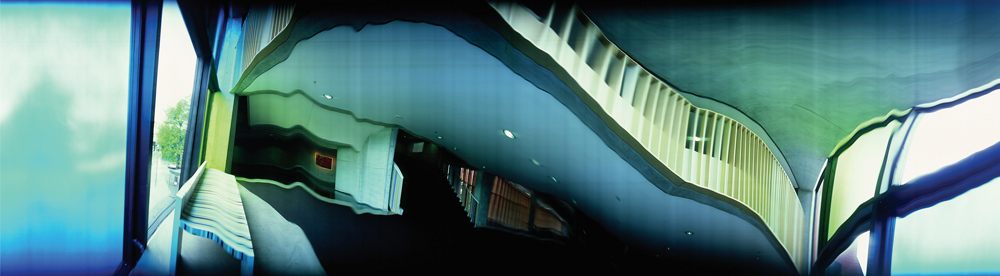
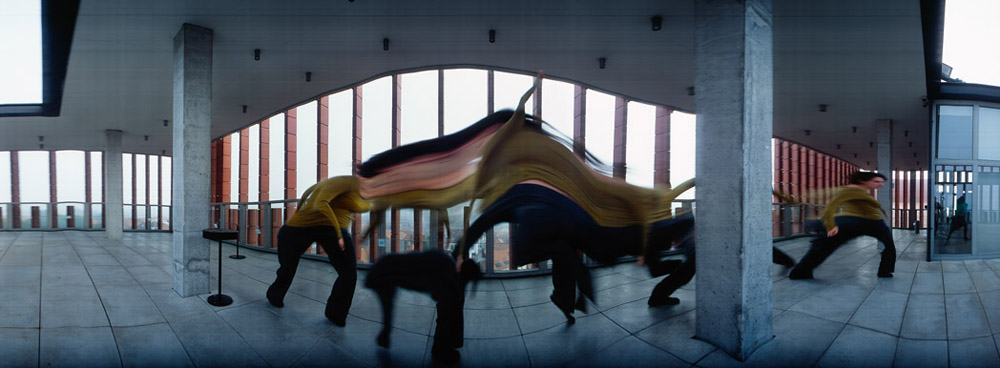
Instead of a strip made of individual frozen images like Muybridge’s work, Vanvolsem keeps his shutter open and pans the camera; as you would in panorama mode, to capture the events that take place during the time the shutter is open. Due to a slight movement in the camera or subject, visual distortion can occur, bending the composition and recording the small intricacies of activity that may not always be obvious in real-time.
35 x 90 cm (Vanvolsem, 2015) shows visual distortion, created by the dipping and rising of the subject in the frame, forming a wave of colour and smudge-like effect as they move across the frame. This result tells a story like a filmstrip would as we can distinguish what actions took place over this time, by looking at the trail that was left behind. 30 x 109 cm (Vanvolsem, 2015), however, suggests that the camera wasn’t always steady vertically due to the ripples in the architecture and ceiling which may imply an ‘up and down’ motion, although this isn’t confirmed.
Some people may not find this technique appealing as the images aren’t crisp and easy to dissect, however, is an incredible way to capture time and space in-camera while leaving a trace of movement in its path.
Reflection
Out of all the artists studied, the most appealing technical approaches for me were Woodman’s and Wesely’s, mainly for the ghostly results they managed to capture in their work. While Woodman may have had more control over the actions that occurred in her work, Wesely did not, instead, let nature take it’s course over a series of months to see what changed.
Motion blur brings life to the composition and provides more context as to what may be happening, what the subject is doing and at what pace or in what direction. Long exposures document change and decay that are not visible in real life, or at least it is less evident to us as humans.
Being able to confront how we see time and space, as well as capturing the impossible that is the act of disappearance by isolating features, blurring or showing what was left behind to imply emptiness, really does challenge what the ‘still’ image can be. A frozen moment shows but a slither of what is happening, leaving a trace behind gives more information for the viewer to explore and question.
– Drawn on the work of Eadweard Muybridge, one of the pioneers of the frozen image, most famous for his ability to prove that a horse can indeed lift 4 hooves off the ground at the same time. – Muybridge’s work was shown via slides, that showed the individual phases of movement that provided a huge step for science and photography. – As well as improving his camera equipment by developing a motorised shutter that didn’t rely on the subjects movement, before inventing the zoopraxiscope. A machine that projected the moving image and inspired the development of the cinema. – Explored the work of Harold Edgerton, the inventor of the ‘strobe’ flash, a photographer who froze time and provided images of motion that the naked eye couldn’t see, such as a crown of milk. – Drawn on the work of Jeff Wall, a conceptual artist who captures everyday occurrences, or ‘micro gestures’, before – Re-enacting in a different location, allowing him to take control of the composition, while providing tension in the imagery via the lines, gestures or other such elements. – Reflected on the work of Philip-Lorca diCorcia, a photographer who meticulously plans his compositions by combining elements that don’t necessarily go together – Challenging the traditions of photography and creates tension between the candid and posed. So while his work may look natural, with further inspection you understand they are not, due to obvious lighting or odd positioning of subjects. – Reviewed whether I feel the camera captures or fragments time, giving examples of my opinion by harking back to the imagery of the listed artists.
Photographic exposure times developed massively since the early days of photography when exposures used to take hours to produce since reduced to mere points of a second with the evolution of technology.
We have been able to go from hours of standing/sitting still to avoid motion blur, to capturing movement as a still image with no traces whatsoever.
Some of the earliest photographers to experiment with the new, improved film speeds and shutters, are as follows.
Eadweard Muybridge (1830-1904):
Eadweard Muybridge, formally known as Edward James Muggeridge was one of ‘ … the great photographic thinkers and technical pioneers of all time …’ (Huxley Parlour, 2017), who thought way beyond the walls of still photography and was passionate about the evolution of the moving picture.
Leland Standford, a racehorse owner and former governor, hired Muybridge in 1872 to capture photographs of his horse to confirm whether all four hooves can be off the floor at the same time. To achieve this, Muybridge set up multiple cameras and a tripwire which would be activated upon the horse’s movement to capture each stage. After five years full of court trials, travelling and death, he returned to Standford. After producing conclusive results about the horses galloping abilities, this led newspapers to reproduce these images as drawings and artists such as Edgar Degas and Thomas Eakins, referencing them to produce art that was more realistic to life.
After his relationship with Leyland had ended due to lack of recognition following the publication of The Horse in Motion (Muybridge, 1878) , Muybridge began a new set of work for the University of Pennsylvania called Animal Locomotion which became one of his most influential pieces of work. The project allowed the study of movement through a variety of animals and the human form, which was a massive step for both science and photography by capturing each phase of a single action.
Muybridge significantly improved his camera equipment by developing a clockwork motor, meaning he could capture the minutest of movements without relying on the subject to trigger the shutter.
Muybridge’s work has helped contribute towards physiology, biomechanics and a range of artists such as Marcel Duchamp and Jasper Johns. Not only that, but he was the first to invent the machine called the “zoopraxiscope” which projected the moving image and animated a selection of photographs, potentially inspiring the development of cinema.
Harold Edgerton (1903-1990)
Dr Harold Edgerton was born in Nebraska, raised in Aurora and began a career as a professor at the Massachusetts Institute of Technology, which was the reasoning behind his invention of the ‘strobe’ flash and dedication to documenting what the naked eye couldn’t see.
Edgerton shaped the world of photography by freezing time and capturing results such as liquid on liquid forming a symmetrical crown of milk, as well as the ghostly arch that is formed by a golfer swinging their arm as the torso is ‘superimposed on itself 50 times’ (Michael Hoppen Gallery, 2015).
Due to his invention of flash cameras, his influence inspires photographers, journalists and many others today albeit the cameras are much smaller, which shows his impact on the photographic world and how we can capture the subjects around us. Being able to document what cannot be seen and controlling how a moment can be frozen in time, can help people understand how certain events occur and the result of them.
Jeff Wall(1946 – )
Jeff Wall was born in Vancouver and went on to study art history at the University of British Columbia in the 1960s, which is where he discovered Vancouver’s experimental art scene and used this as inspiration to teach himself photography to portray his conceptual ideas. After many years of studying and receiving his BA and MA degrees at UBC, Wall went on to teach at Nova Scotia College of Art and Design, Halifax, Simon Fraser University, Vancouver and has since been a teacher at UBC where his journey first began (Riggs, 1997).
Having been inspired by the paintings of Goya and Velázquez, Wall wanted to find a way to depict everyday life through the medium of photography following his thought that ‘it was no longer possible for modern artists to paint like the great masters’ (Riggs, 1997). He decided upon creating backlit transparencies, which are large-scale photographs mounted in lightboxes to combine both cinema and sculpture, therefore a successful contemporary approach.
The inspiration for Wall’s pictures is everyday occurrences that he has personally witnessed, as well as his interest in ‘micro-gestures’ which are essentially actions that take place without much previous thought, portraying the tensions within society. Milk (see fig. 1.) reflects the current state of mind the man in frame is in, portrayed by the explosion of liquid and clenched fists; however, the moments leading up to this moment are unknown. As a result of this, the viewer may wonder what caused such a reaction, creating tension between the two (Tate, 2017).
Wall tends to reconstruct the events he sees, to allow himself to gain control of the composition, which is why he relocated for this particular situation while keeping the formal elements in mind. ‘The grid-like order of the brick wall background, and strong vertical bands that stripe the left side of the image contrast sharply with the tension in the man’s arms and the uncontrolled arc of milk’ (Tate, 2017).
Fig. 1. Milk (1984)
Philip-Lorca diCorcia (1951 – )
Philip-Lorca diCorcia studied at the School of the Museum of Fine Arts, Boston, the University of Hartford, Connecticut and received his Master of Fine Arts from Yale University in 1979. He didn’t initially set out to become a photographer; however, Jan Groover suggested that ‘a photograph should result from careful planning and orchestration’ (Sidley, 2016), which diCorcia may have used as inspiration when he began identifying as a photographer.
DiCorcia’s work challenges and pushes the traditional boundaries of photography by meticulous planning and composing. So, while they may look natural and accidental, they’re not due to the combination of people and places that don’t necessarily go together. This approach creates a tension between random and controlled, directs the imagery towards various paths without a definite conclusion or direction, therefore suggesting a narrative more so than telling a story (Sidley, 2016).
One of the ways DiCorcia executed his shots, for example, Mario (DiCorcia, 1978) was by setting the camera up on a tripod, putting a flash in the fridge and readjusting each element while testing the composition with a Polaroid camera, keeping the desired result in mind. So, while the subject looked completely natural, in deep thought as they observe the contents of the refrigerator, everything was precisely planned at each step (Sidley, 2016).
The use of harsh artificial light is a recurring technique through his work which could be street lighting, however, on closer inspection, the contrasts between the shadows and highlights are almost too intense to be considered accidental. An example of this is the spotlight that hits the subject in Edward Earle Windsor; 20 years old; Atlanta, Georgia; $30 (DiCorcia, 1990-92).
Reflection
‘There is a pleasure and beauty in this fragmenting of time that had little to do with what was happening. It had to do, rather, with seeing the momentary patterning of lines and shapes that had been previously concealed within the flux of movement.’ (Szarkowski, 2007, p.5).
Upon completing some artist research, I would consider that the camera captures time in these images, as well as fragmenting it, it’s isn’t necessarily mutually exclusive.
Muybridge’s images I believe do capture time, by documenting each phase of a singular movement, in turn, supplying context to each photographic plate. While Edgerton’s work also freezes moments in time and form an opinion in the viewers head as to what happened moments before, what we assume happened before shooting the apple may not be correct. As a result, I consider these images to be both a captured moment in time and a fragment.
Wall and diCorcia, on the other hand, fragment time with meticulous planning and creating tension throughout the composition, either through technical decisions or formal. While they are pre-meditated, the body language and locations cleverly help create intrigue for the viewer, making them wonder how the events shot occurred and what caused the particular gestures in that specific place. The imagery doesn’t necessarily look staged at first glance without prior knowledge; therefore, you would believe they are just a brief moment in history frozen forever; however, are not. A fragment of time provides just a slice of the story, not the whole product.
This research has made me question whether the street photography I have seen in the past is just a capture of time, whether there is more the story than initially thought or if it has been pre-planned to convey a particular narrative, controlled by the artist.
Initial thoughts for this assignment were positive as I was ‘Excited to be challenged by creating a collection of images that are consistent in terms of concept but unique in appearance’ (Powell, 2020) and being able to list many ideas from significantly broad subjects. That, in turn, helped me decide the subject that was most appealing, leading me to focus on ‘Things’ as there were more areas available to fall back on if my initial plan didn’t work. However, despite the ability to explore various topics, there was a possibility to go off-piste and forget about the criteria; therefore, I made sure to refer to the brief regularly.
Reflecting on my initial plan for ‘Things’, I can see what ideas stayed the same or evolved throughout the test shoots and final shoot. For example, using a tripod to keep the framing consistent, experimenting with focal length and ‘Explore what makes me uncomfortable, e.g. different camera settings … lighting’ (Powell, 2020). In addition to this, however, I tested the impact of Black and White photography, the choice of objects and tones achieved by alternating the colours, lighting temperatures and textures used. Following my research, I chose to explore the traditions my selected artists used instead of the concepts portrayed, as the viewers wouldn’t have prior knowledge of this.
Sam Oster used ‘medium format black and white film’ (The Loop, 2019) that defines and enhances the minute details and robust form of the irons in Apparatus Electralia Planus with the contrasting shadows and highlights. Oster’s work, inspired by Becher’s typologies presents a grid of square cabinets, consequently splitting the composition into sections, without having to take multiple shots. Her typology influenced my decision to choose nine images to form a grid, as well as centralising the subjects to keep consistency throughout the series as recommended in the criteria ‘… a collection should reflect a single coherent idea, but you’ll also need technical rigour to match the photographs to each other ‘in the smallest details’ (Bloomfield, 2018:51).
Barry Rosenthal ‘uses monochrome backgrounds and uses the collection to add colour and depth’ (Powell, 2020) as well as organising the collected items into various groups before shooting, such as the colour blue in Blue Ocean. This approach inspired me to be selective when choosing my items and consider their groupings while keeping the conceptual link of ‘necessity’ in mind. Plain backgrounds allow the viewer to focus on the subject rather than what it’s placed on while enhancing the shadows cast by backlighting, allowing me to avoid flattening the composition.
Creating an online survey and gathering anonymous responses about ‘What everyday items do you consider are a necessity? (Something you need) ‘(Powell, 2020), enabled me to be inspired by outside opinions rather than solely relying on my thoughts. These answers meant that I was able to collect a variety of items to experiment with and form groups from when formulating my final set.
Trialling a selection of camera settings with my SONY A57 in a test shoot solidified the direction I wanted to go in for my final shoot by analysing the strengths and weaknesses in each shot. Using colour didn’t enhance the details within the subjects, as much as using the high contrast B&W camera setting that had more of an impact when it came to the depth and texture of the composition.
A focal length of 35mm was the most suitable to allow for a reasonable amount of negative space to frame the plates and be balanced enough, so the subjects weren’t too small or too suffocated in the shot. Cool artificial lighting intensified the highlights and shadows, more so than neutral or warm light hence my decision to backlight using a cooler temperature to enhance the 3D forms. Tonal variation prevented the items from being swallowed by blocks of dark or light, therefore influenced to choose a light and mid-ranged blue plate to avoid this and select which tone was better for each item and their details. A combination of a narrow aperture of F14 and a tripod made sure that the image was sharp, preventing the viewer from being distracted by selective focus or motion blur, as well as keeping the framing and angles consistent.
After analysing the final selection, I can see that the set it is visually strong due to the intense highlights and shadows, as well as the various textures which provide the image surface with a soft, hard or rough feel. A balanced composition created by the consistent framing, choice of background and the arrangement of subjects pull the typology together as a whole, as they all bleed into one another. Deciding to use cool artificial lighting evenly lit the frame and created definition in the shot, that I found did not work as successfully with natural or warmer lighting due to the inconsistency and softness.
I am pleased with the contextual and conceptual elements hinted at in my photographs as I have stated the ‘things’ are ‘necessary items in … daily life’ (Powell, 2020), however, everyone’s view on what is necessary is different, as a result may tease out the idea of privilege, luxury, political opinions or no message at all. The concept is broad enough to direct the viewer in entirely different paths without being influenced by too much context that could affect how an image is perceived.
Pushing myself out of my comfort zone, taking more inspiration from artist research and experimenting with various techniques allowed me to complete this assignment successfully.
If I were to improve this assignment in the future, I would try to gather more responses to see how many unique items could be listed and be more thorough with my arrangement to avoid post-production to get rid of preventable marks. Typologies are new to me; therefore, it would be an intriguing area to explore in further detail.
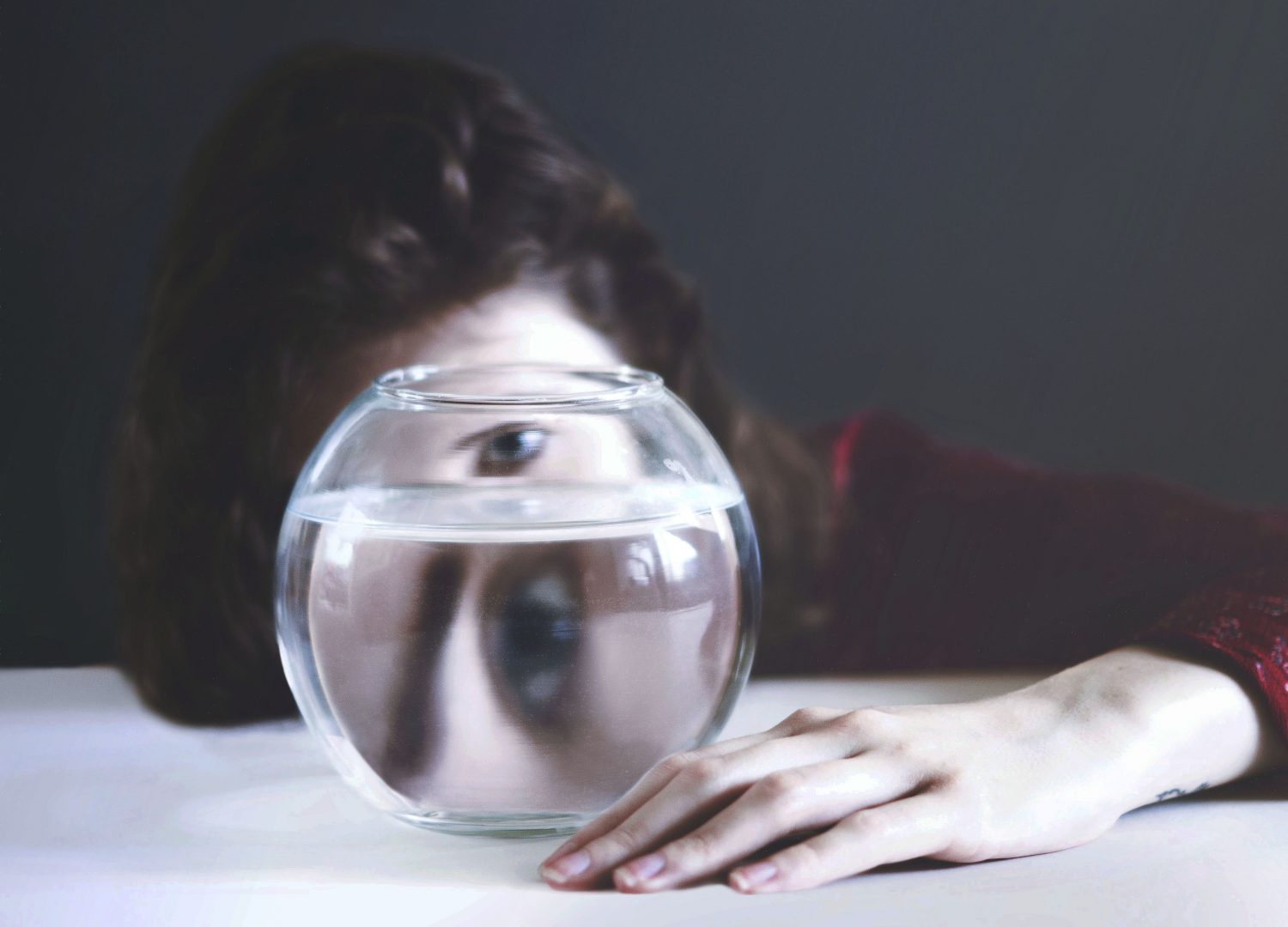
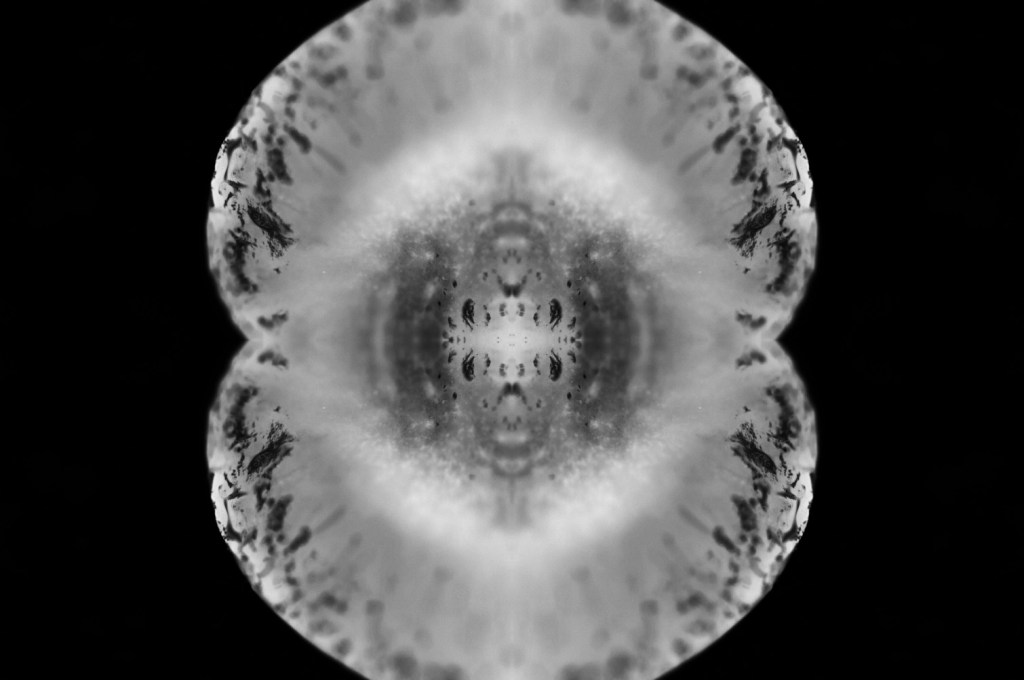
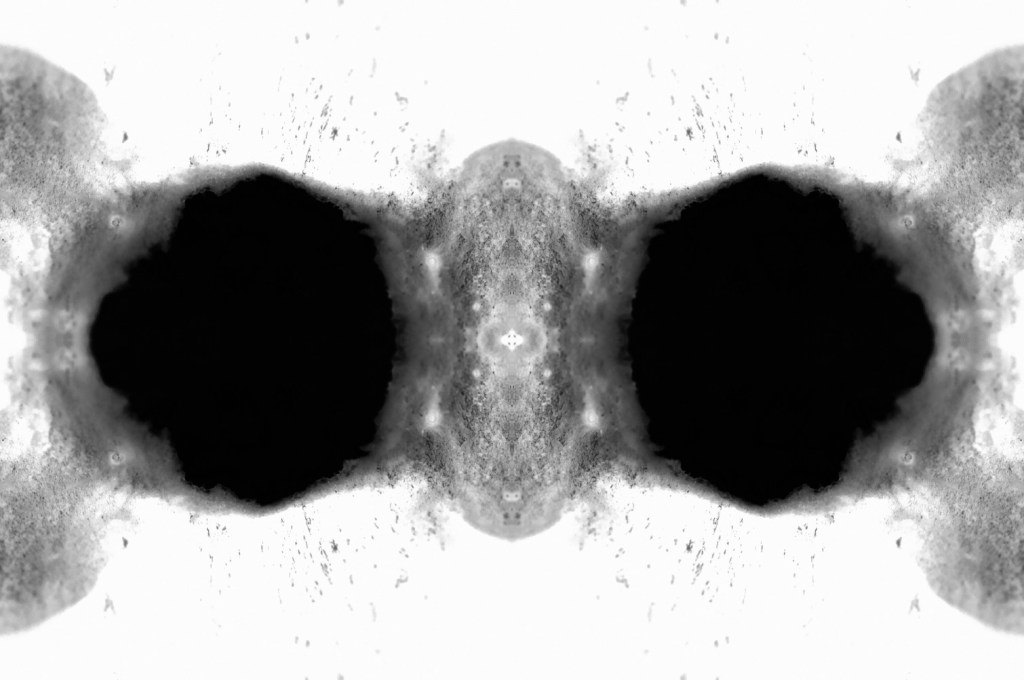
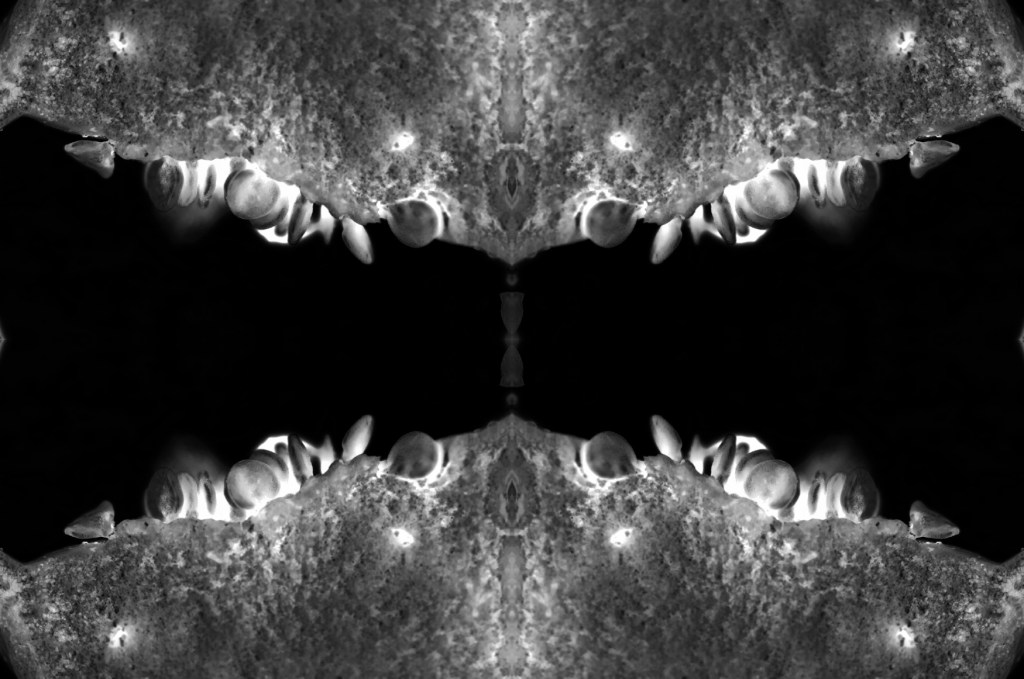
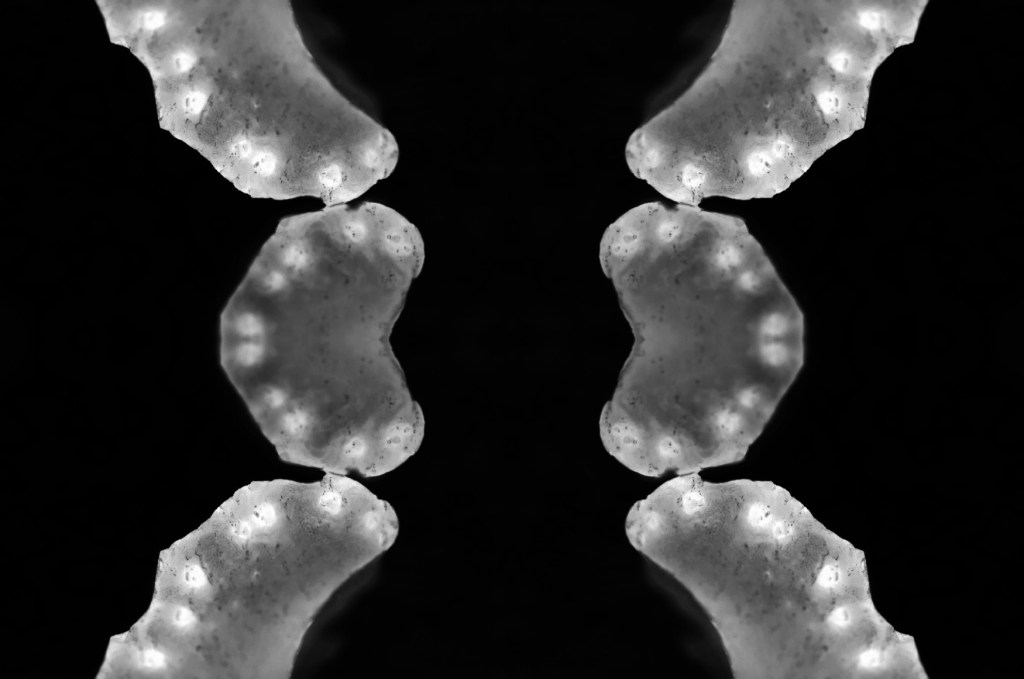
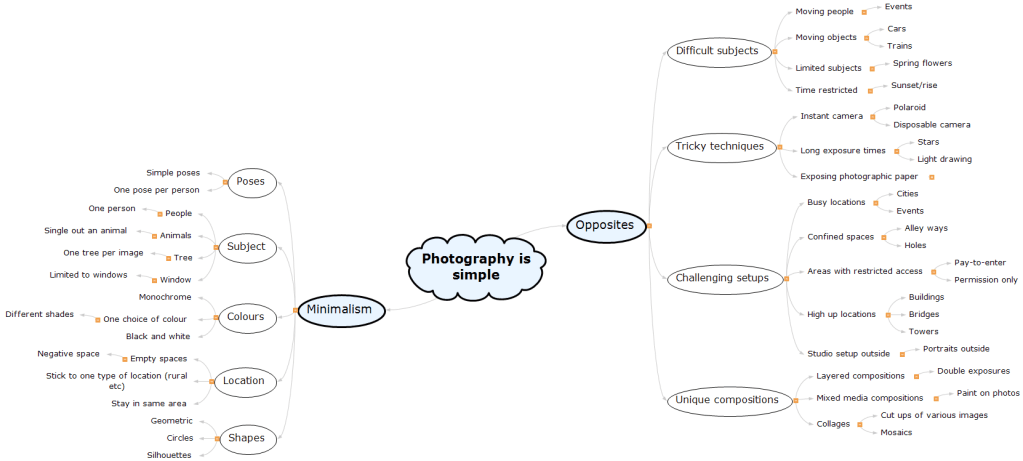
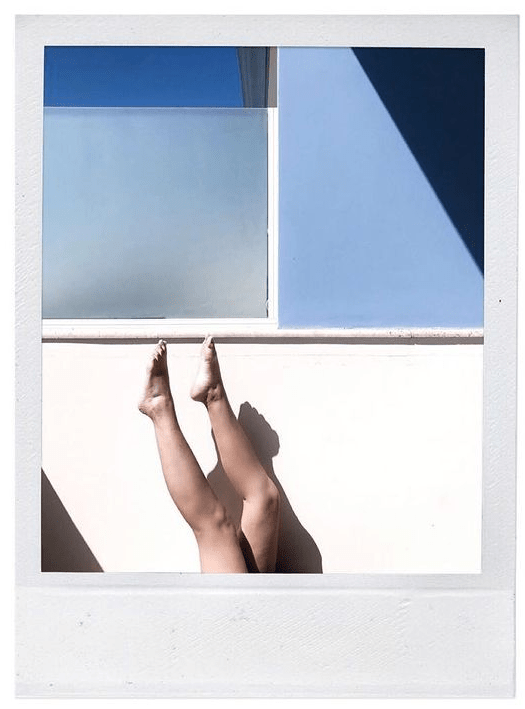
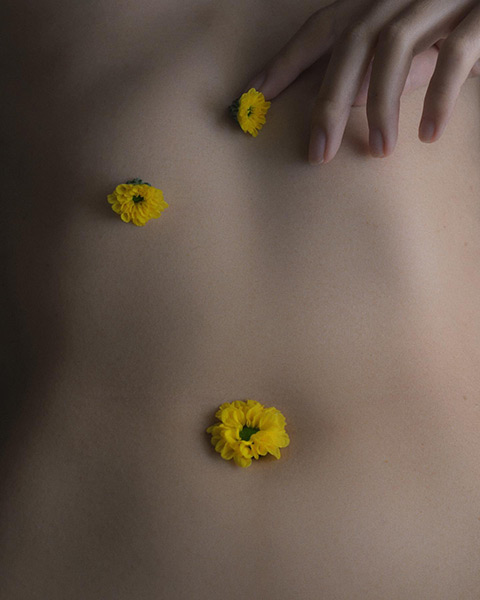
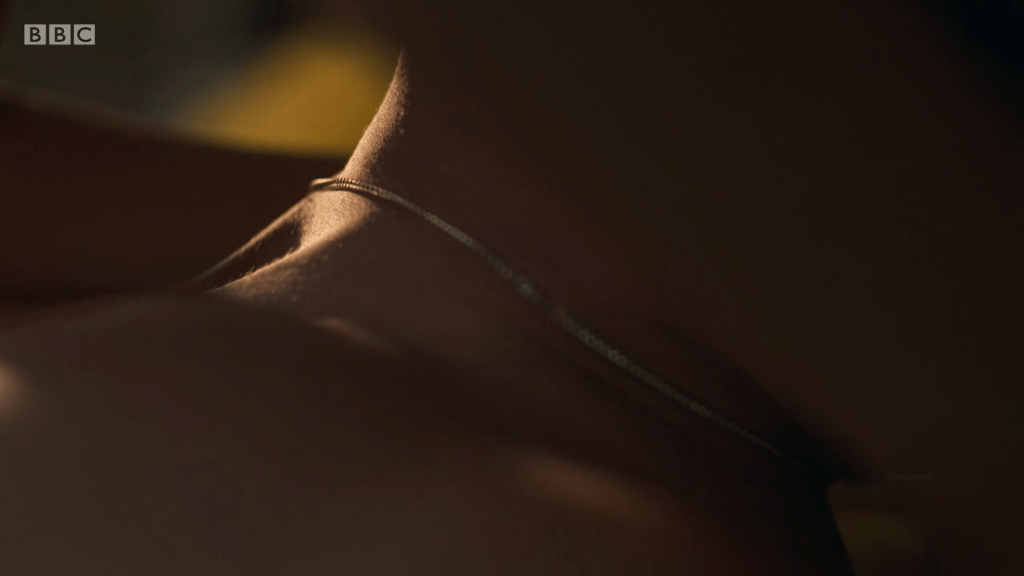
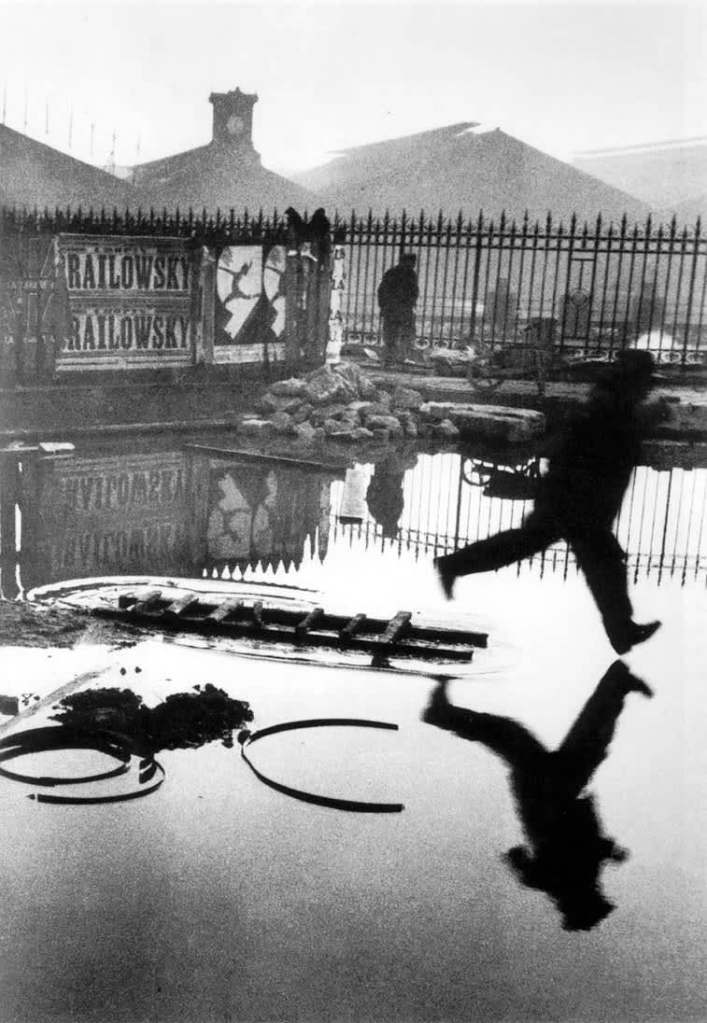

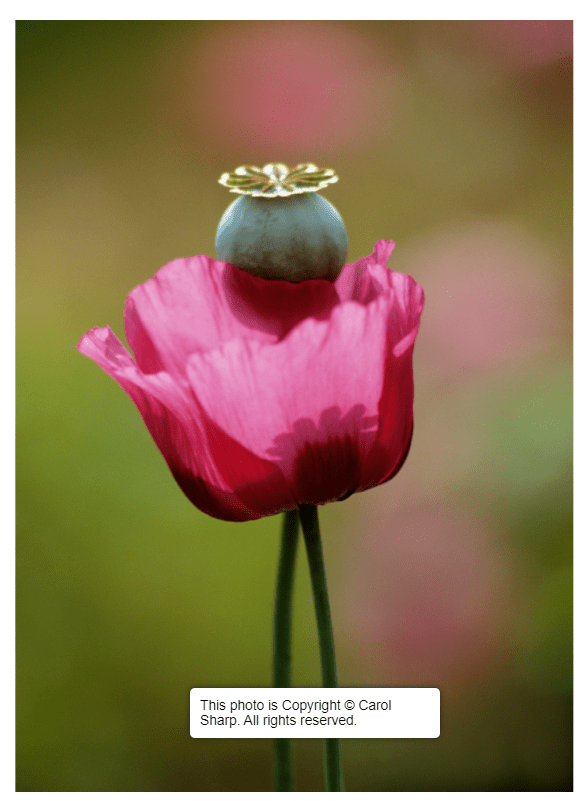
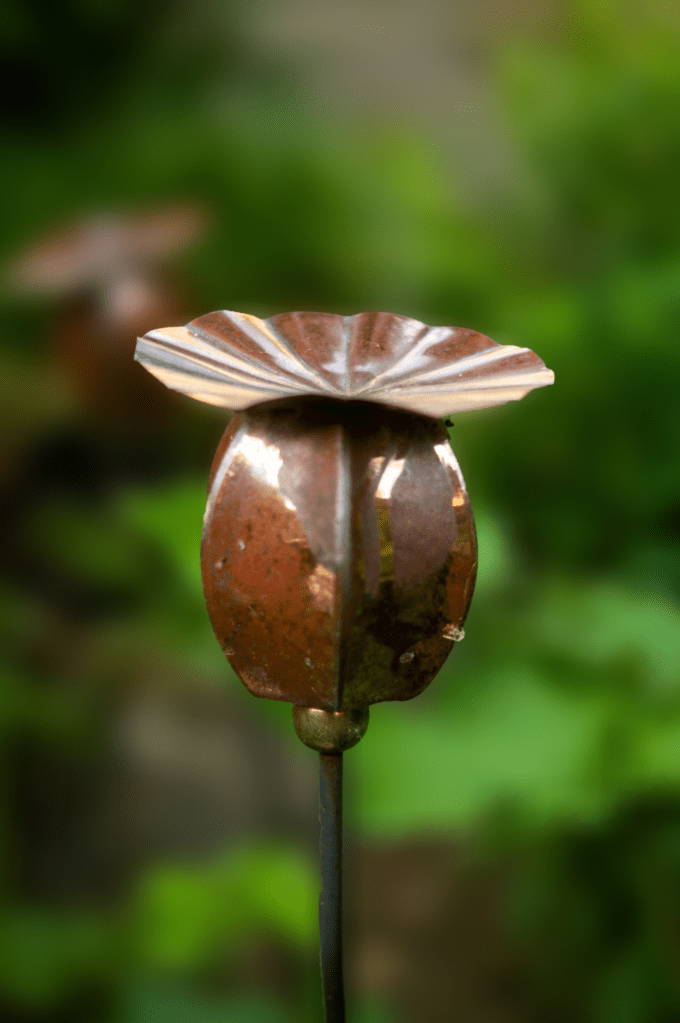
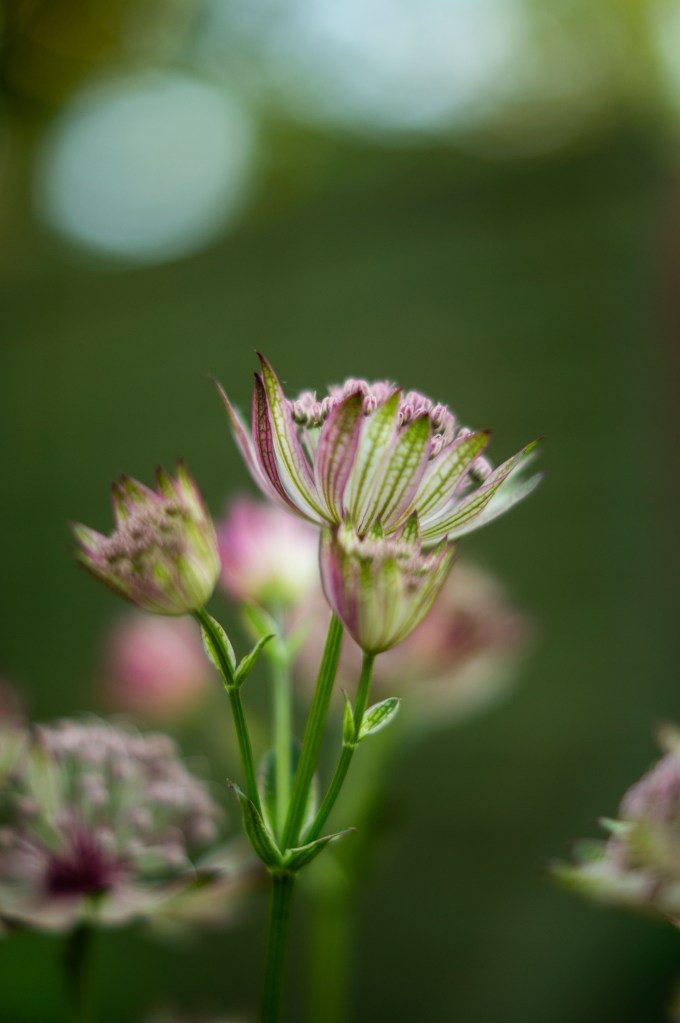
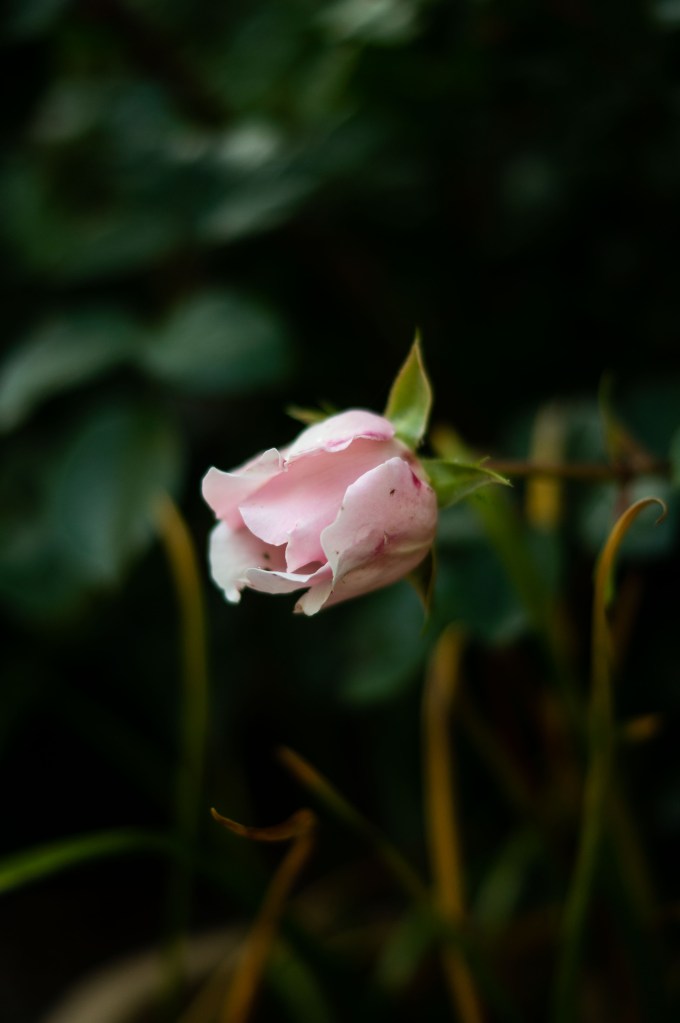
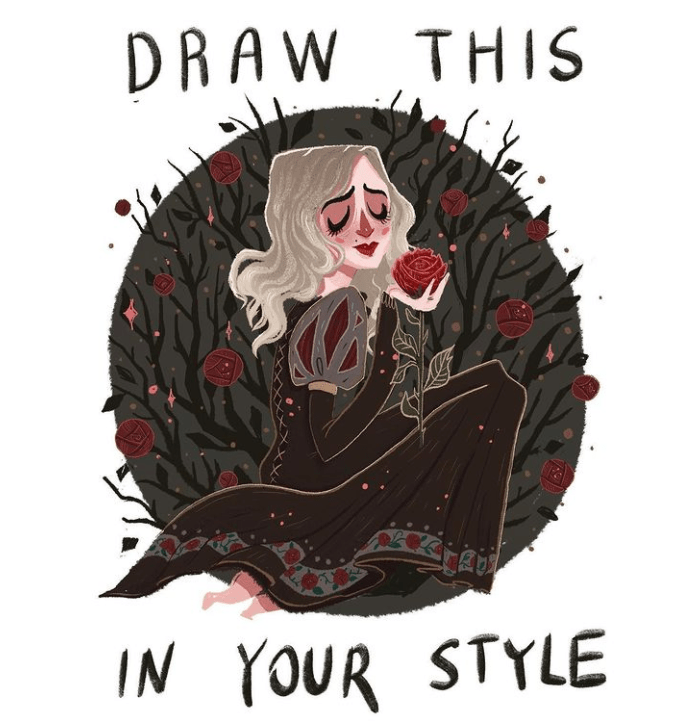
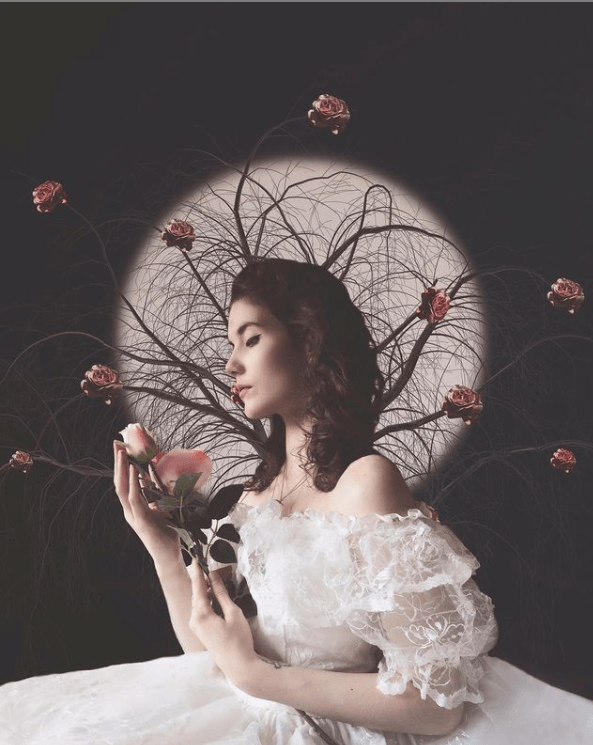
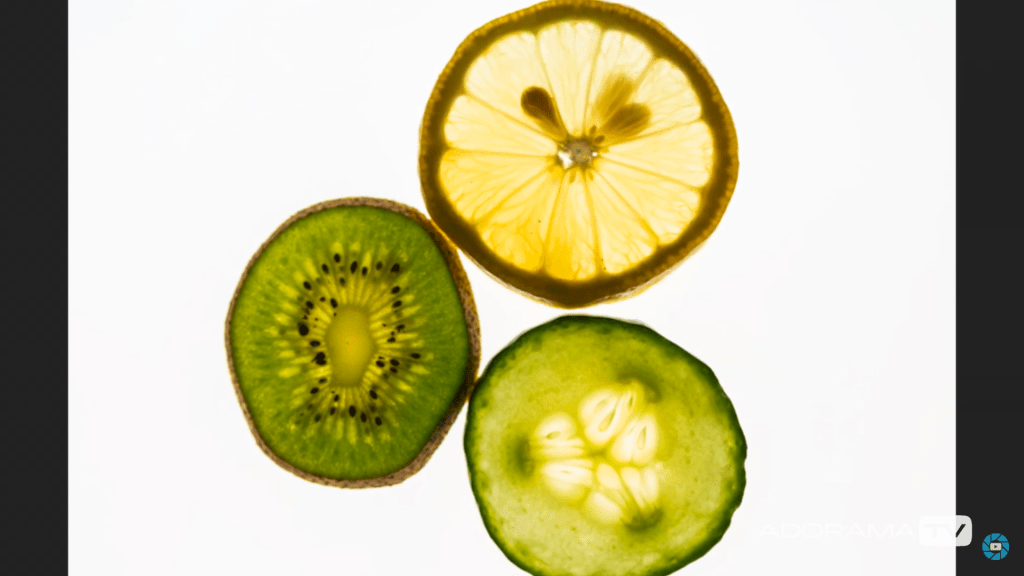
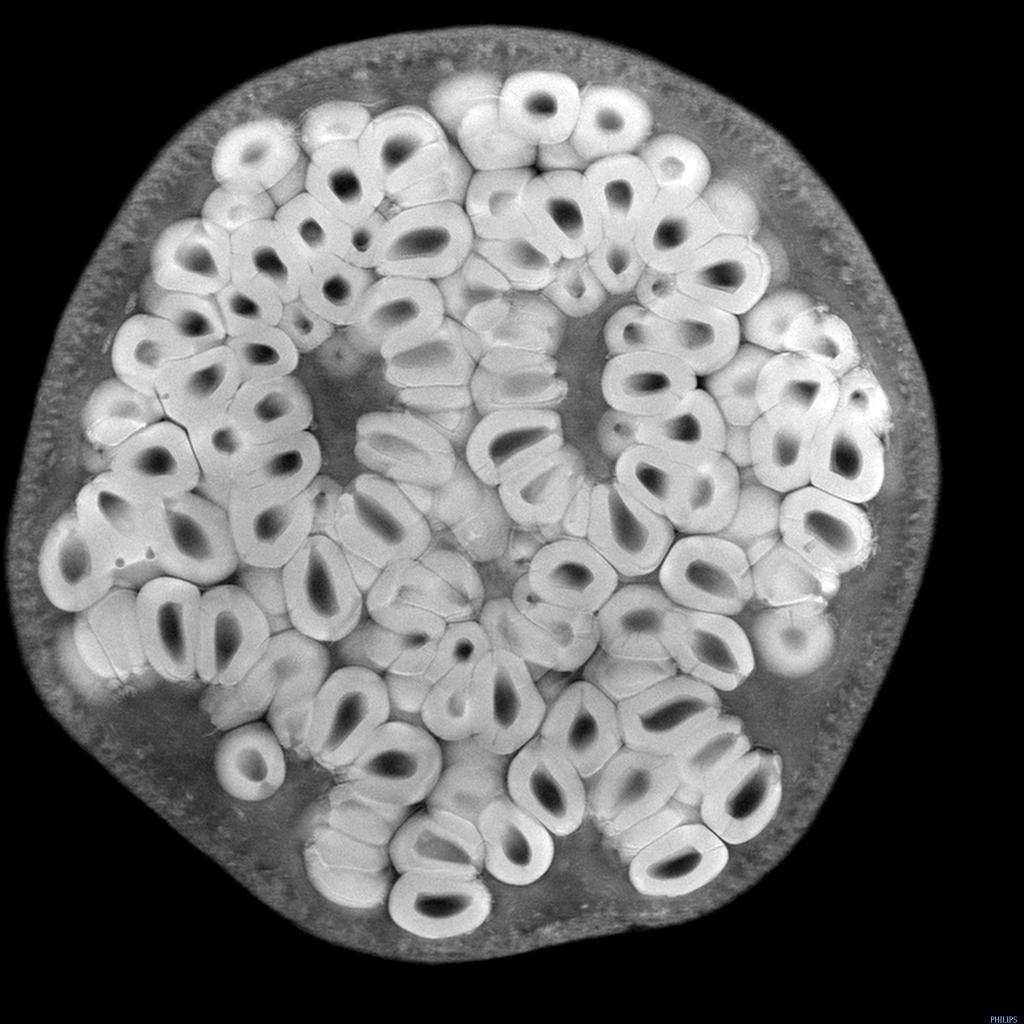
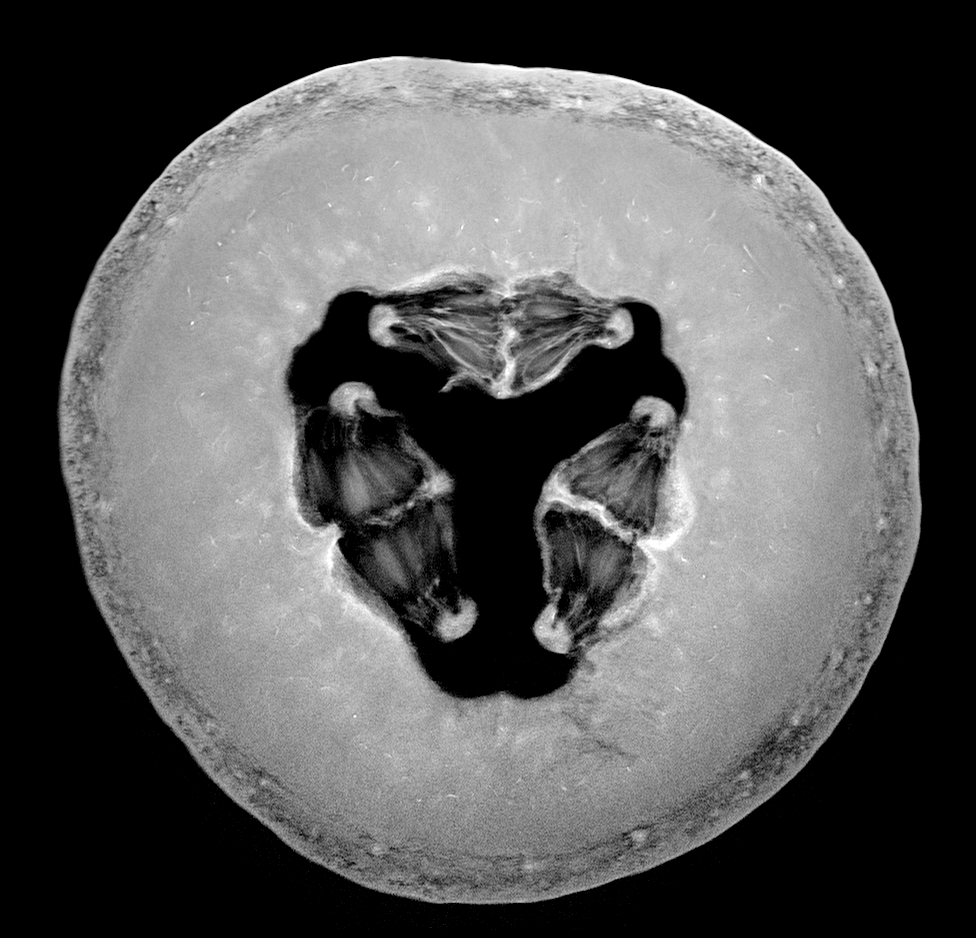
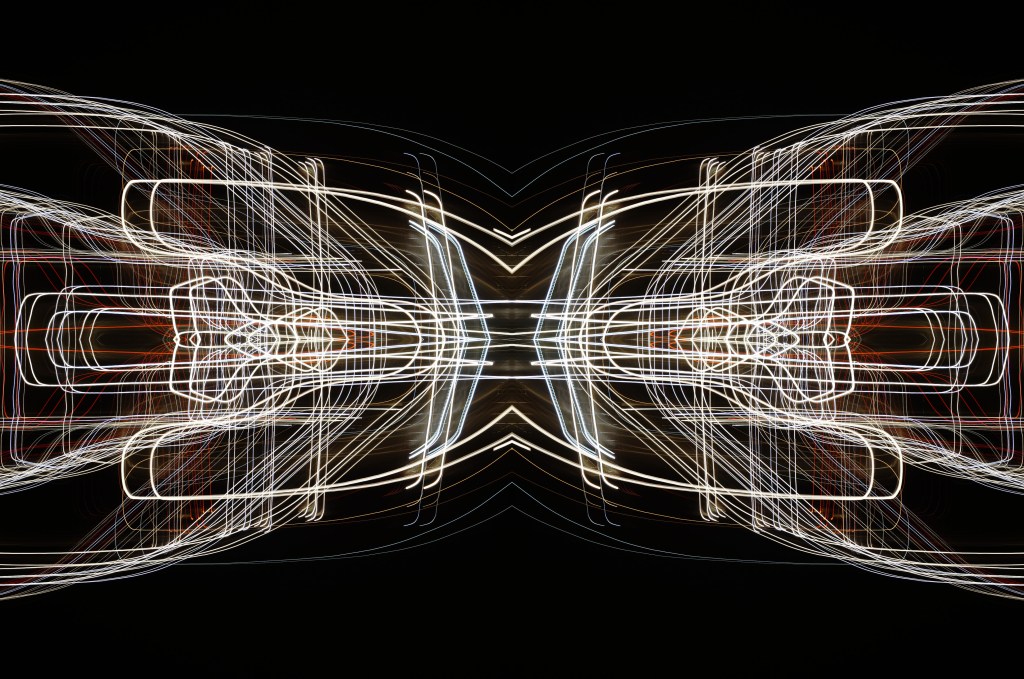
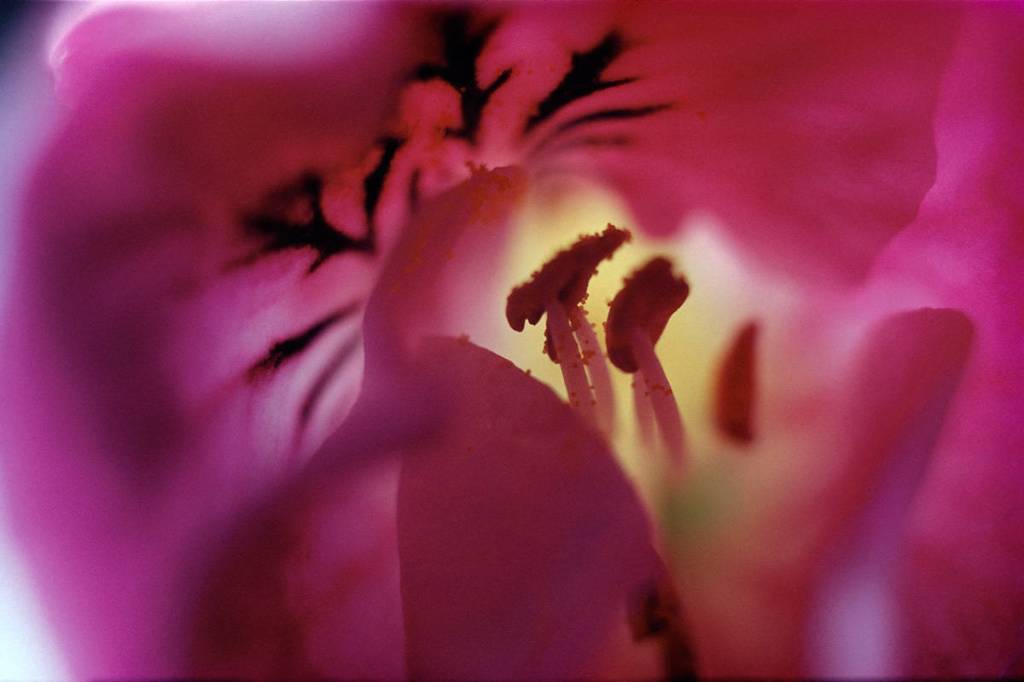
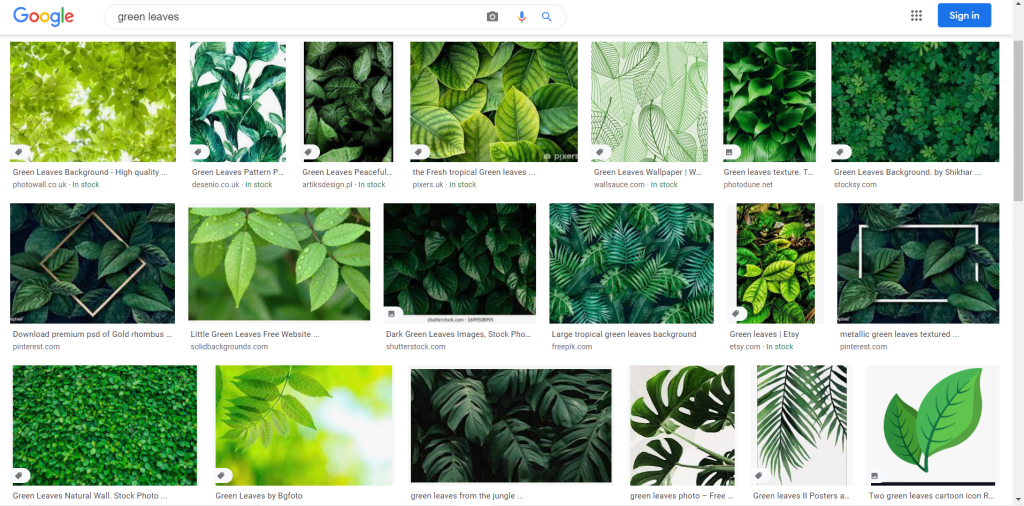
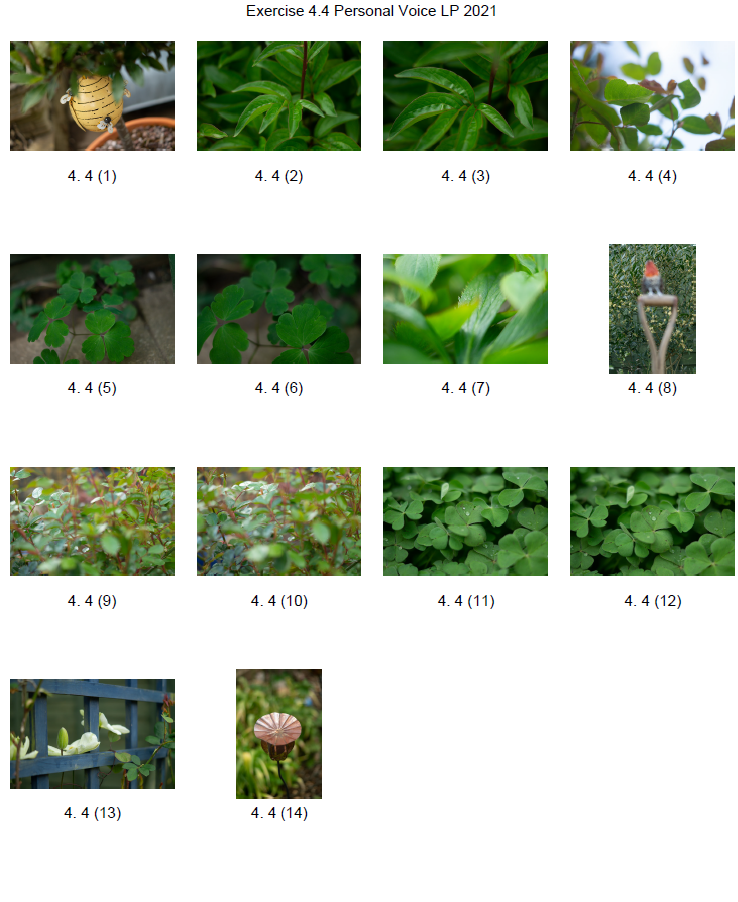
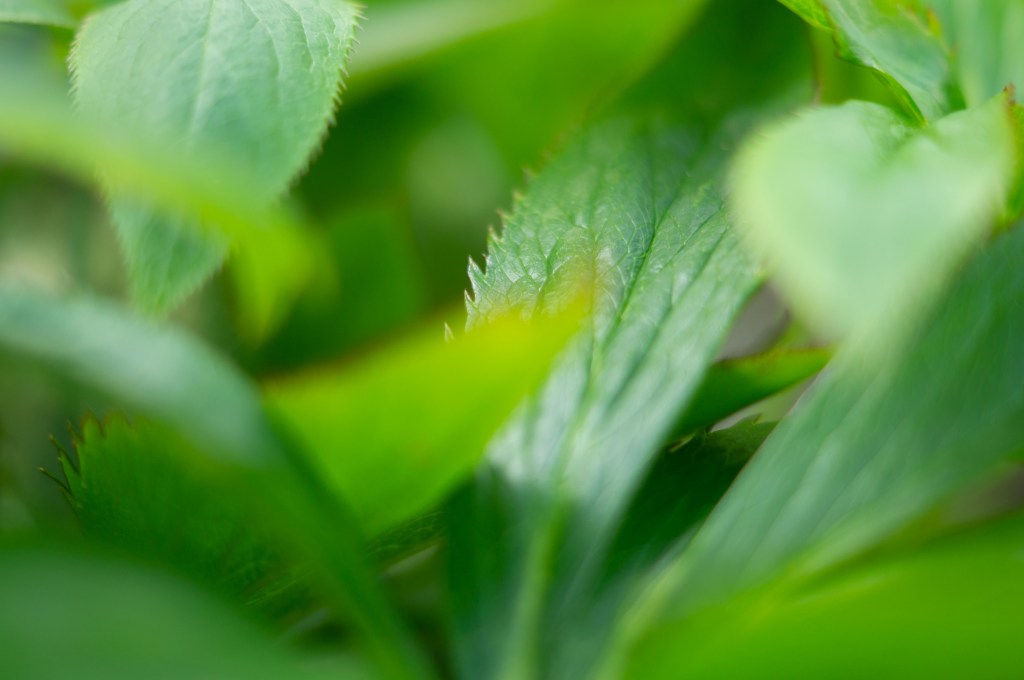



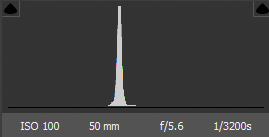
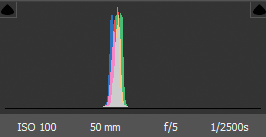
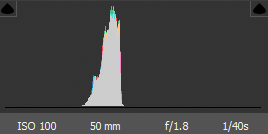



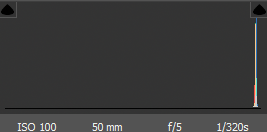
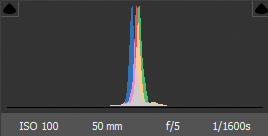
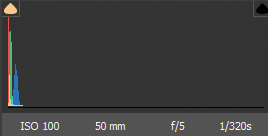
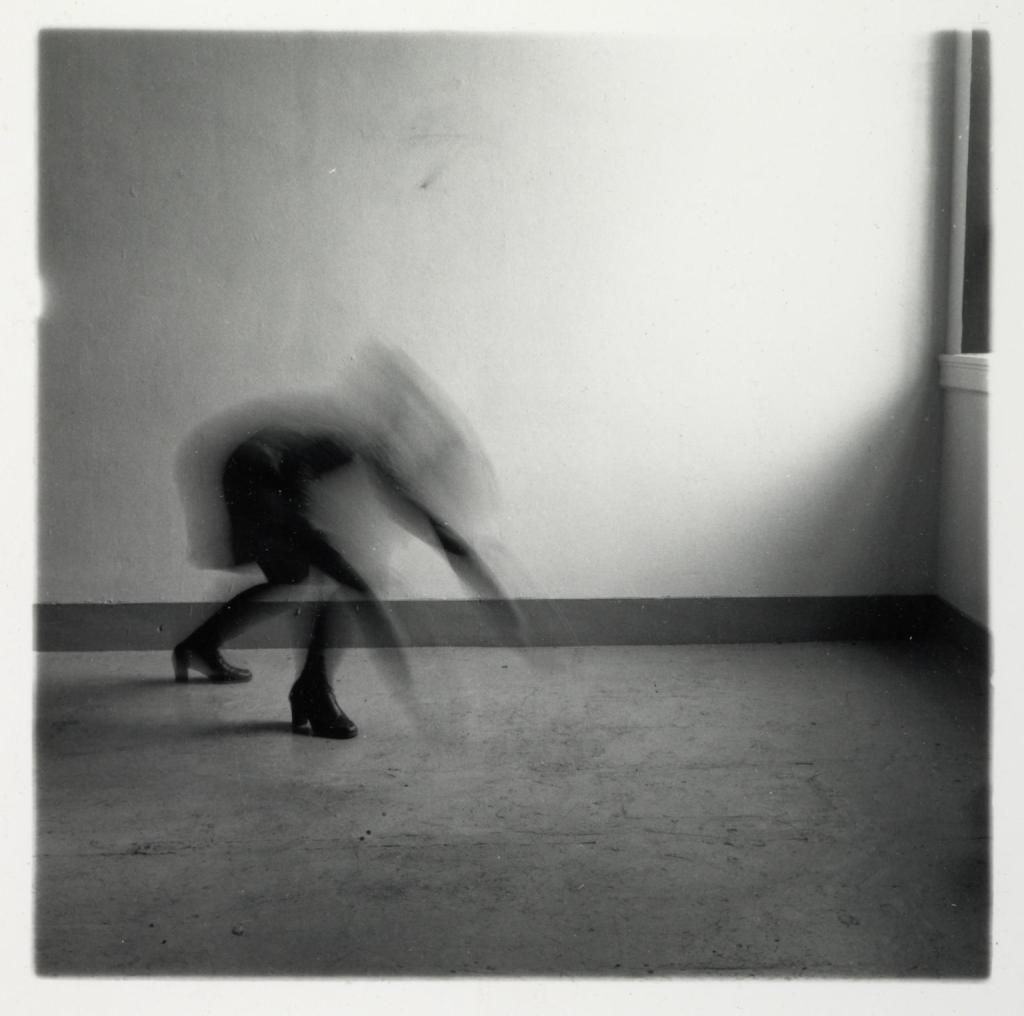
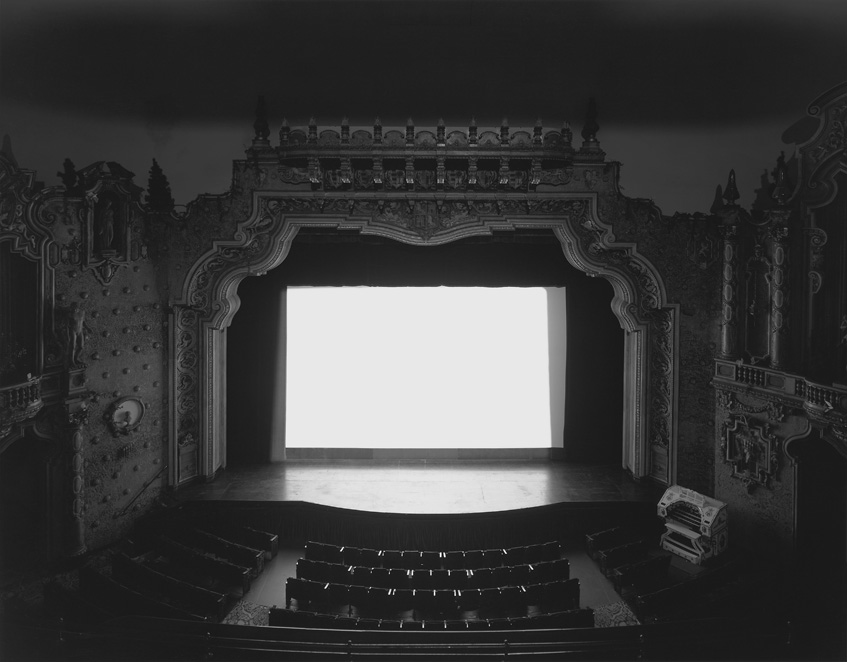
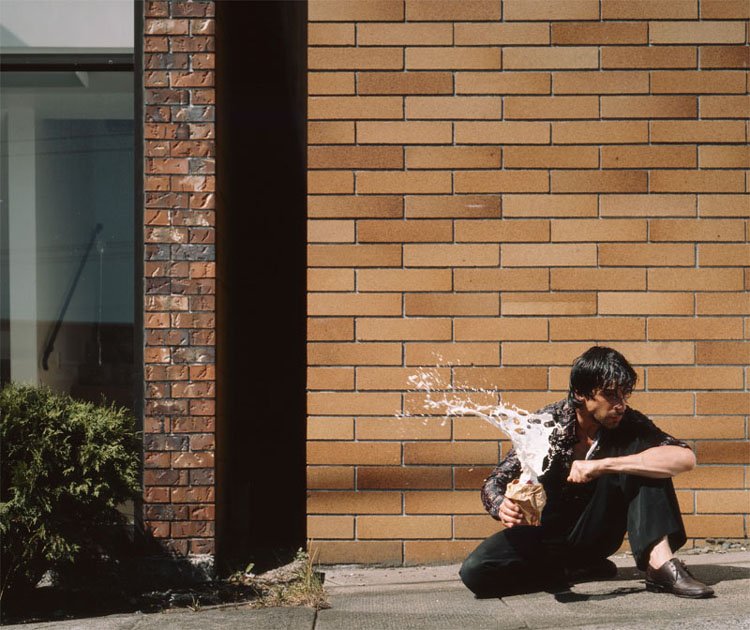
 Lauren Powell OCA