
To recognize the assignments with the most compelling outcomes I had to re-visit and review each from a cold viewpoint. Detaching from your work and looking at it as a critic isn’t an easy task, but I am aware this is necessary to select the best examples for assessment. It was fascinating to do as it has helped me see how I’ve developed across this unit, both creatively and analytically.
Assignment 2 – ‘Collection’.
‘Collection’ felt like the first proper assignment for this unit as there were exercises that took place beforehand, providing me with more knowledge and research to take forward.
The brief required us to choose one of three topics, build on that chosen word and produce a set of harmonious images in terms of concept but visually different. Deciding upon the ‘things’ route allowed me to explore items we use daily, similar to Sam Oster and Barry Rosenthal that used electrical and plastic objects in their works.
Assignment 2 was the first time I gathered inspiration from practitioners from a technical, visual and presentational standpoint, making my work effective.
Gathering information from the general public and collecting the items mentioned enabled me to produce a coherent typology of images exploring the everyday necessities we use. While the subjects were different, shooting in black and white, using square framing and a plain background, enabled consistency to flow through the set.
I have reworked some elements of the assignment to reflect upon my tutor’s feedback: https://laurenpowelloca.photo.blog/category/assignments/assignment-2/
Assignment 4 – ‘Languages of light’.
Following a troublesome experience with my third assignment, ‘Languages of light’ was my favourite project out of this unit. Testing the different choices of light used within the photographic world, building knowledge on how to use them effectively enabled me to push myself beyond my comfort zone by using controlled studio lighting.
Branching out from natural light and producing powerful images while using an LED light pad helped me appreciate studio lighting and the artist’s ability to manipulate it to your benefit.
Taking influence from film negatives, lightbox photography, and Andy Ellisons MRI scans of fruits and vegetables helped build my technical knowledge within the camera and photoshop. My compositions are coherent, full of contrast, detail and are innovative in nature.
Assignment 4 outcome rework: https://laurenpowelloca.photo.blog/category/assignments/assignment-4/
Assignment 5 – ‘Photography is simple’.
I am glad that my final assignment is one that I feel could be listed as one of my three best outcomes, as should be expected after a whole unit of learning and growing.
‘Photography is simple’ enabled me to be flexible in terms of topic and approach; something that I enjoy as a photographer is challenging a subject rather than backing the statement up kept this brief exciting. Discovering Ziqian Liu encouraged me to shoot self-portraits with an instant camera to present how difficult photography can be from a compositional point or technical angle.
Conceptually my images are intriguing as they subtly link back to the argument that photography is far from simple, nor is the human body. Mixing media, using post-production to show the evolution of photography and how quickly images take to capture in the modern-day assisted me in discussing how easy it can be to believe photography is simple.
My reworked outcome for assignment 5 is here: https://laurenpowelloca.photo.blog/category/assignments/assignment-5/.
References:
Powell, L. (2021) Collection [online] Available at: https://laurenpowelloca.photo.blog/category/assignments/assignment-2/ [Accessed 24th August 2021].
Powell, L. (2021) Languages of Light [online] Available at: https://laurenpowelloca.photo.blog/category/assignments/assignment-4/ [Accessed 24 August 2021].
Powell, L. (2021) Photography is simple [online] Available at: https://laurenpowelloca.photo.blog/category/assignments/assignment-5/ [Accessed 24 August 2021].
Reflection on feedback
Preparing for assessment – LO2 – A selected body of work
Reflection on assignments, Reflection on coursework, Reflection on feedbackLearning outcome 2: ‘A selected body of work’.
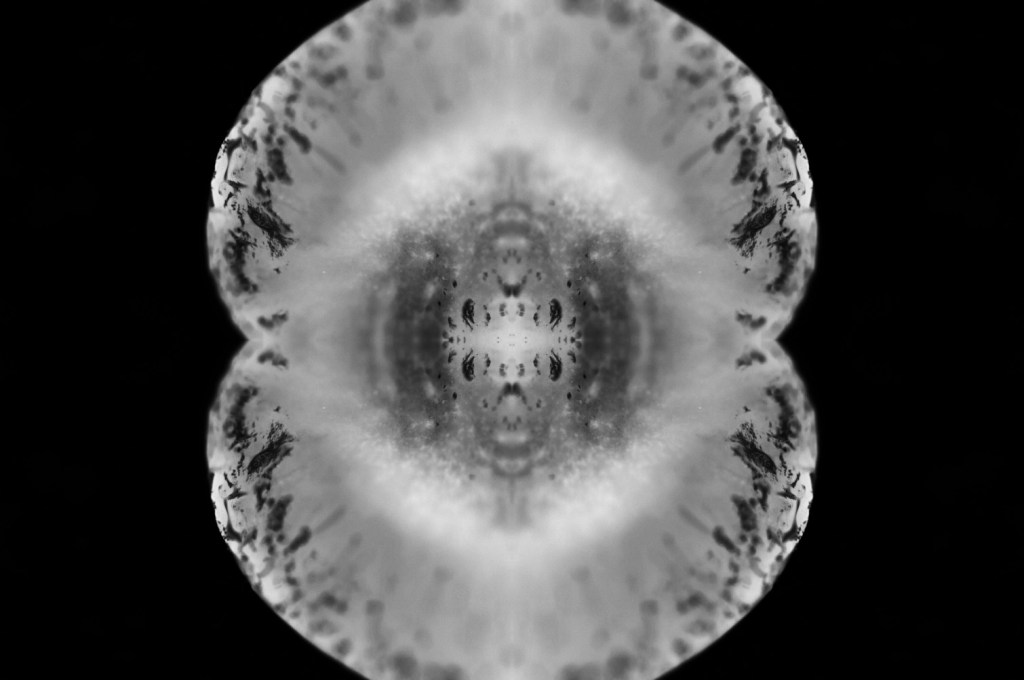
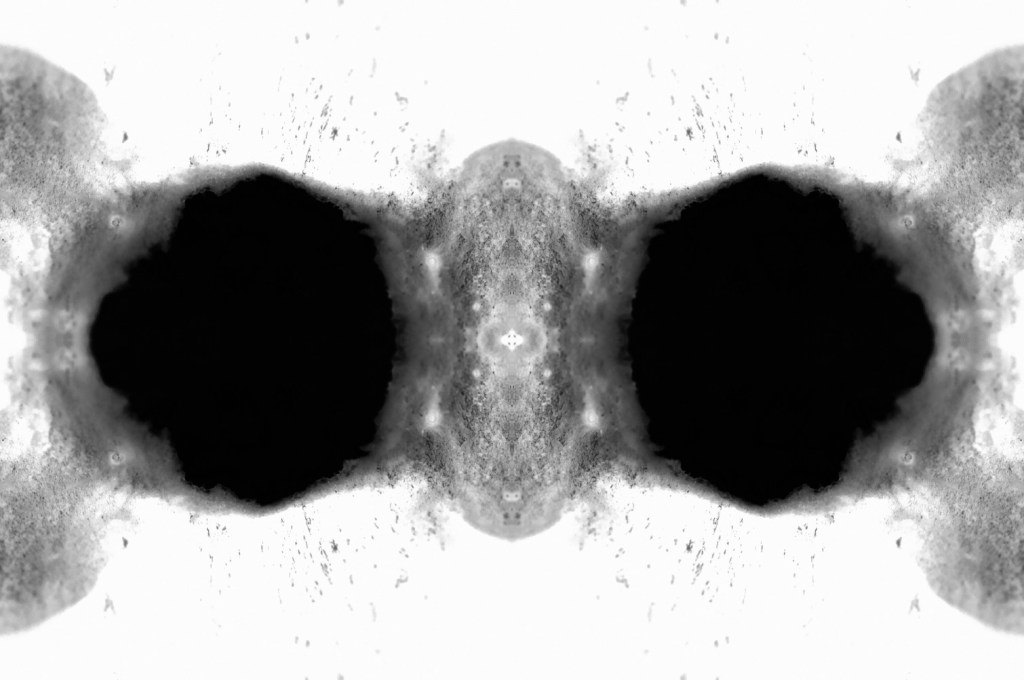
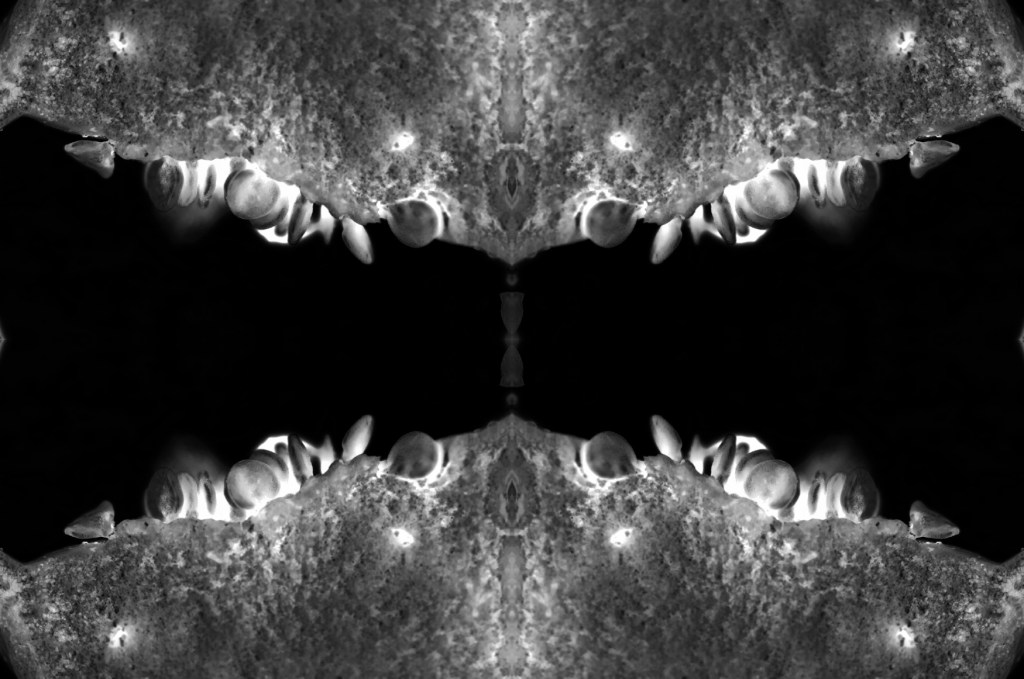
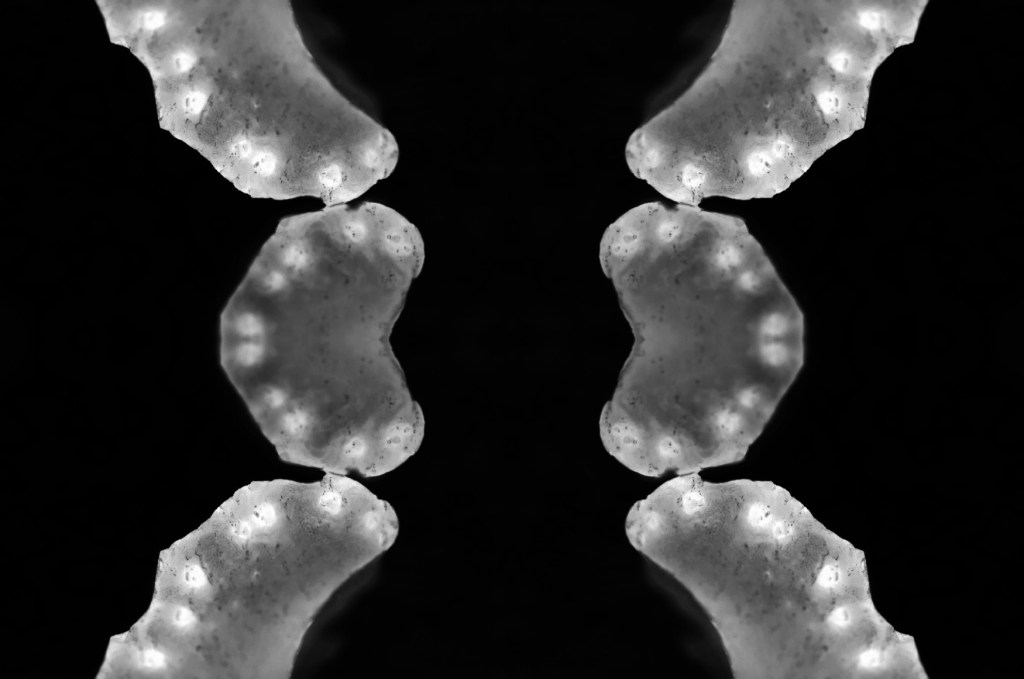
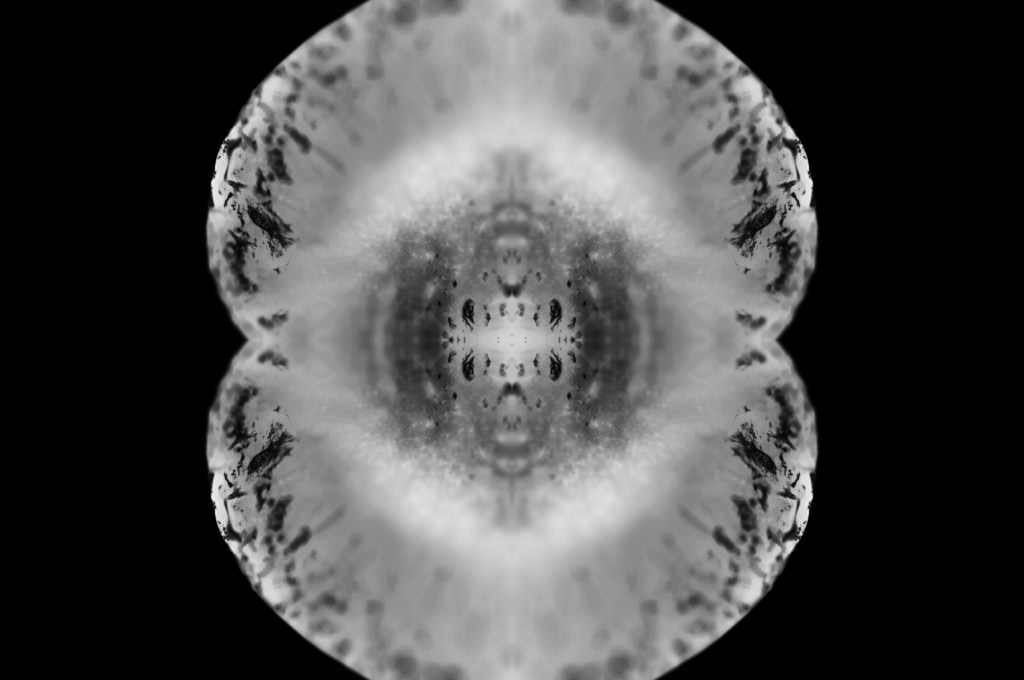
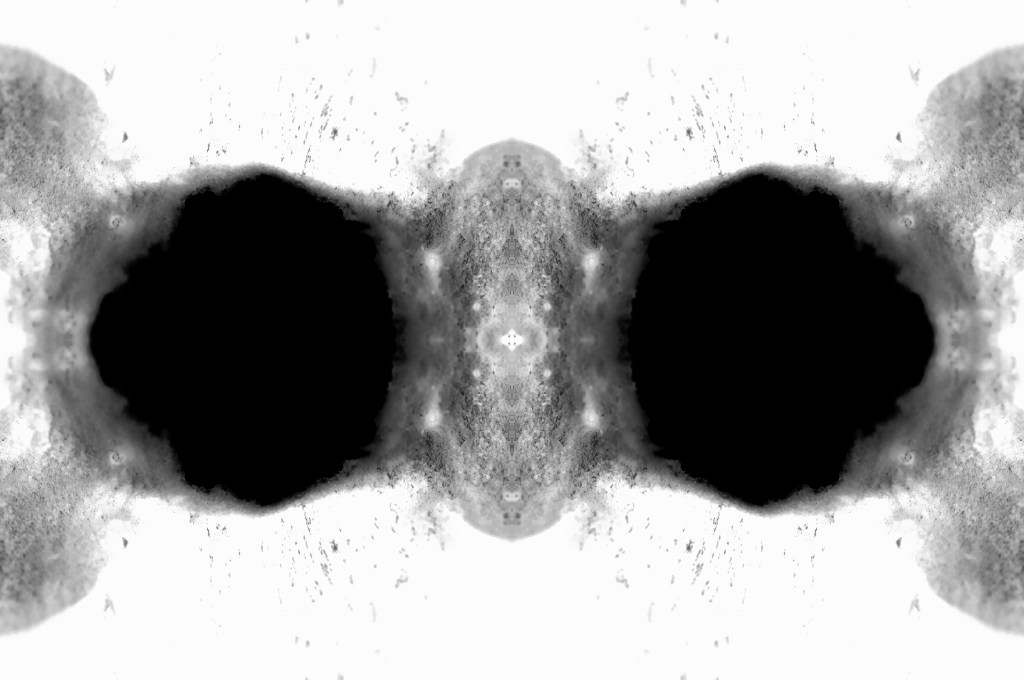
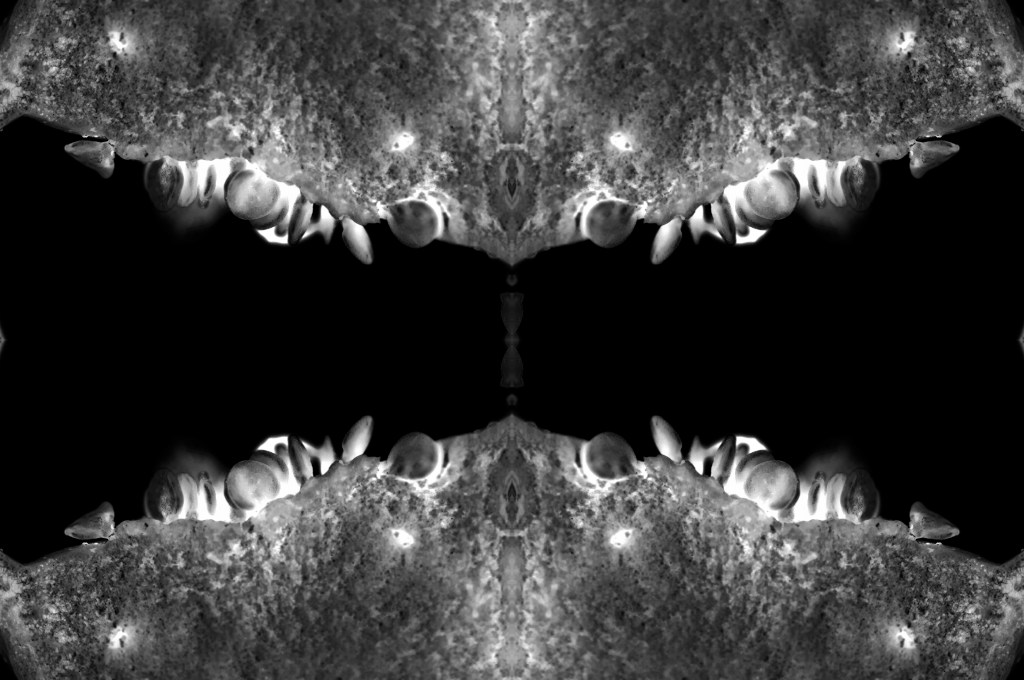
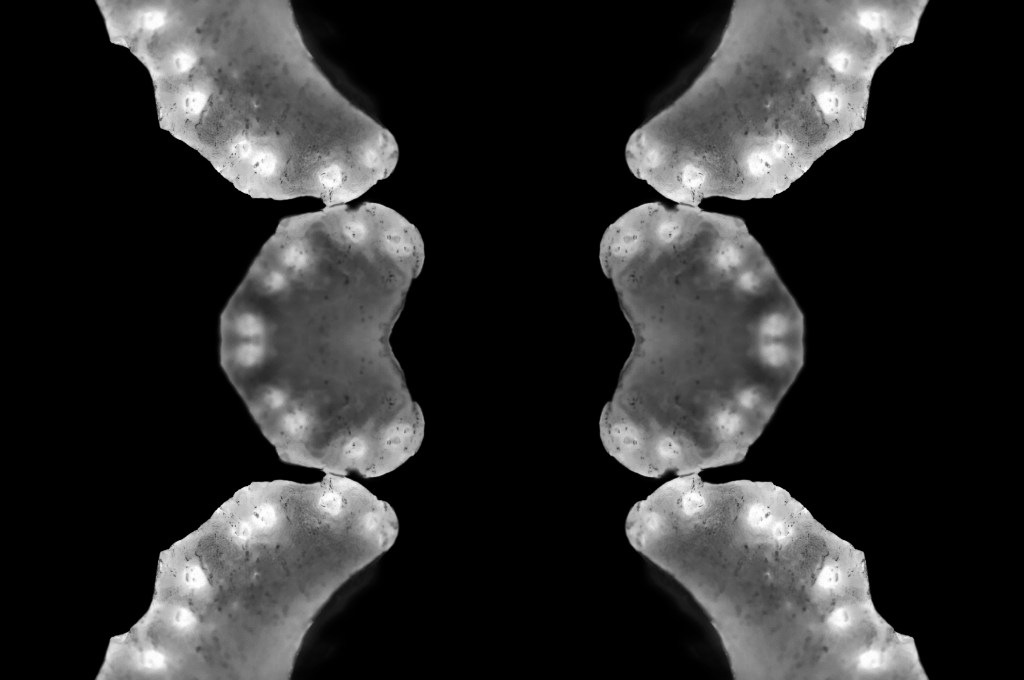
OCA’s assessment guide suggests that you choose four to six images from your strongest assignment for this particular outcome. I have decided to pick four out of the original seven pieces from ‘Languages of Light’ to present a skilful use of controlled light, post-production techniques such as ‘inverting’, the visual impact of mirrored compositions and my understanding of contrast.
To select these images, I revisited my assignment and chose the four shots that best showed variety while considering the importance of a coherent set. The pieces document a range in texture, shape, unique use of light and composition.
The Scan photographs; (see Fig. 1-4) explore intricate details found within the crops we grow, much like a human bodies veins, muscles and skin. Using an LED light pad and thin slices of various foods to document diversity enhanced the textures and densities within the subject. The shallow depth of field softened some areas within the photos, drawing the eyes towards the heavily textured, contrasted and various forms provided by the subject. Creating mirror images from the individual shots exhibited an eerie, human-like set of photos that reflect the ghostly results MRI scans can reproduce. Presenting them as separate prints allow the audience to explore each image in-depth, one by one, rather than a collective that can distract the eyes and overwhelm them with too much information all at once.
Images
List of images:
Figure. 1. Powell, L. (2021) Scan 1 [image] In possession of: Lauren Powell: Eastleigh.
Figure. 2. Powell, L. (2021) Scan 2 [image] In possession of: Lauren Powell: Eastleigh.
Figure. 3. Powell, L. (2021) Scan 3 [image] In possession of: Lauren Powell: Eastleigh.
Figure. 4. Powell, L. (2021) Scan 4 [image] In possession of: Lauren Powell: Eastleigh.
Preparing for assignment – Learning log entries
Reflection on assignments, Reflection on coursework, Reflection on feedbackAs the Course Guide for assessment of Photography units (OCA, 2021) suggests, we must acknowledge the learning outcomes listed for our unit. We must also provide evidence of our understanding of these by selecting 2-3 learning log entries for each LO; choose and submit three assignment outcomes, submit any critical reviews/essays and evaluate the unit as a whole.
The learning outcomes for PH4EYV – Photography 1: Expressing Your Vision are as follows:
LO1 – demonstrate an understanding of photographic techniques and image making.
LO2 – present a selected body of photographic work.
LO3 – develop and communicate your ideas as a photographer.
LO4 – demonstrate a critical and contextual understanding of photography and reflect on your own learning.
Learning outcome 1: ‘Understanding photographic techniques and image making’.
Exercise 1.3 Line.
The use of lines in photography can either add depth to an image or flatten the pictorial space depending on how you implement them within your work.
Exercise 1.3 Line helped me appreciate the importance of leading lines and how they can draw the eyes around or through the images you take, enhancing the overall experience of photographic viewing and compositional strength.
Learning log reference: https://laurenpowelloca.photo.blog/2019/11/12/exercise-1-3-line/
Exercise 2.2 Viewpoint.
Focal lengths can heavily influence the result of your images, dependent on how long or short it is set to, as well as your physical distance from the subject.
Exercise 2.2 Viewpoint allowed me to see and acknowledge the distorting differences between a long focal length such as 55mm and a far distance from the subject, compared to a short focal length such as 18mm and standing close to the subject who hadn’t moved.
Learning log reference: https://laurenpowelloca.photo.blog/2020/02/05/exercise-2-2-viewpoint/
Assignment 2 – ‘Collection‘.
I explored various lighting techniques, camera filters and framing to understand the process of image making. I learnt that black and white photography visually enhance your subjects by capturing heavily contrasting details, while the use of negative space draws attention to the chosen focal point.
Learning log reference: https://laurenpowelloca.photo.blog/2020/02/26/test-shoot-contact-sheets-for-collection-assignment/
Learning outcome 2: ‘A selected body of photographic work’.
Selected body of images.
This assignment encouraged me to revisit and re-evaluate all my assignments from a critical standpoint to decide upon the strongest one before explaining why.
Languages of light pushed me out of my comfort zone, encouraging me to explore controlled lighting and the possible results if used effectively. Taking inspiration from film negatives and MRI scans allowed me to create a powerful, coherent collection of images to document my understanding of the brief, light sources and develop an idea into a complete assignment.
The following learning log entry explains the reasoning behind my chosen images and how I came to decide on these shots in particular: https://laurenpowelloca.photo.blog/2021/06/25/preparing-for-assessment-lo2-a-selected-body-of-work/.
(Extra learning log entry to provide context to the development of my knowledge on controlled lighting)
Exercise 4.3 – Ex Nihilo.
This exercise helped me acknowledge how the quality, contrast, direction and colour can affect the photograph overall. It was the exercise that aided me in completing assignment four successfully.
Learning log reference: https://laurenpowelloca.photo.blog/2021/05/07/exercise-4-3-ex-nihilo/
Learning outcome 3: ‘Develop and communicate ideas as a photographer’.
Assignment 3 – ‘The decisive moment‘.
The assignment allowed me to develop the slow shutter speed knowledge I learnt from exercise 3.2 Trace and my research on Michael Wesely, a photographer who shot long exposures of fruits and flowers to show the life and death we don’t see with the naked eye. This exercise helped me understand how slow shutter speeds can record traces of time within one image.
Learning log references: Exercise: https://laurenpowelloca.photo.blog/2020/03/20/exercise-3-2-trace/
This assignment encouraged me to develop my skills with slow shutter speed and further explore double/long exposures.
Learning log reference: https://laurenpowelloca.photo.blog/2021/03/28/contact-sheet-and-final-image-selection-2/
Exercise 5.1 – The distance between us.
This exercise turned out to be a subtle reference to my first assignment, The Square Mile. I visited a local area and took images of subjects that encouraged empathy. The emotional and physical effects of deforestation and urbanisation are shown subtly and directly through the topic or the juxtapositions captured throughout.
Learning log reference: https://laurenpowelloca.photo.blog/2021/06/13/exercise-5-1-the-distance-between-us/
Learning outcome 4: ‘Demonstrate critical and contextual understanding of photography and reflect on your own learning’.
Over this unit, I have learnt how to research and understand how practitioner influences can help contextualise the work produced. Practitioner research was something I avoided in my first assignment to prevent being heavily shaped by someone else’s work. Inspiration is critical to explain your work and develop it.
Exercise 5.2 Homage – Research Point.
Studying Terry Barrett’s essay and summarising it provided me with the information I needed to contextualise the ‘Homage’ exercise and any other works following that.
By understanding the meaning and technical approaches behind Carol Sharps nature shots, I could explain the contextual type for my work. As well as this, I was able to describe why I chose specific visual techniques and camera settings to portray the delicate nature of flowers and plants. I was also able to discover the context type for an old homage example as well.
Learning log reference: https://laurenpowelloca.photo.blog/2021/06/13/exercise-5-2-homage-research-point/
Assignment 5 – ‘Photography is simple‘.
Analysing Zinqian Liu’s work, acknowledging her reasoning for combining nature and the human body, learning about instant cameras aided me in contextualising ‘Photography is simple’ and the complexity of both the human body and camera. This assignment pushed me to be more critical about image selection and presentation, acknowledging the importance of editing as a photographer.
Learning log reference: https://laurenpowelloca.photo.blog/2021/06/21/final-shoot-plan-images/
Exercise 4.2 Artificial light.
Sato Shintaro and Rut Blees Luxembergs night photography provided context for this exercise by investigating the influence light can have on photography’s overall mood and details. Looking at images from a critical point helped me further understand the technical and visual impacts lighting has within photography.
Learning log reference: https://laurenpowelloca.photo.blog/2021/04/27/exercise-4-2-artificial-light/
References:
OCA., 2021. Photography 1: Course Guide for assessment of Photography units – July 2021 onwards [pdf] Barnsley: OCA, pp. 1-3. Available at: https://learn.oca.ac.uk/pluginfile.php/24144/mod_resource/content/4/AG_Course%20Guide%20for%20assessment%20of%20Photography%20units_120421.pdf [Accessed 25 June 2021].
Powell, L. (2019) Exercise 1.3 Line [online] Available at: https://laurenpowelloca.photo.blog/2019/11/12/exercise-1-3-line/ [Accessed 22 June 2021].
Powell, L. (2020) Exercise 2.2. Viewpoint [online] Available at: https://laurenpowelloca.photo.blog/2020/02/05/exercise-2-2-viewpoint/ [Accessed 22 June 2021].
Powell, L. (2020) Test shoot contact sheets for collection assignment [online] Available at: https://laurenpowelloca.photo.blog/2020/02/26/test-shoot-contact-sheets-for-collection-assignment/ [Accessed 22 June 2021].
Powell, L. (2020) Exercise 3.2 Trace [online] Available at: https://laurenpowelloca.photo.blog/2020/03/20/exercise-3-2-trace/ [Accessed 22 June 2021].
Powell, L. (2021) Preparing for assessment – LO2 – A selected body of work [online] Available at: https://laurenpowelloca.photo.blog/2021/06/25/preparing-for-assessment-lo2-a-selected-body-of-work/[Accessed 25 June 2021].
Powell, L. (2021) Exercise 4.3 Ex Nihilo [online] Available at: https://laurenpowelloca.photo.blog/2021/05/07/exercise-4-3-ex-nihilo/ [Accessed 25 June 2021].
Powell, L. (2021) Contact sheet and final image selection [online] Available at: https://laurenpowelloca.photo.blog/2021/03/28/contact-sheet-and-final-image-selection-2/ [Accessed 22 June 2021].
Powell, L. (2021) Exercise 5.1 The Distance Between Us [online] Available at: https://laurenpowelloca.photo.blog/2021/06/13/exercise-5-1-the-distance-between-us/ [Accessed 22 June 2021].
Powell, L. (2021) Exercise 5.2 Homage – Research Point [online] Available at: https://laurenpowelloca.photo.blog/2021/06/13/exercise-5-2-homage-research-point/ [Accessed 25 June 2021].
Powell, L. (2021) Final shoot plan images [online] Available at: https://laurenpowelloca.photo.blog/2021/06/21/final-shoot-plan-images/ [Accessed 25 June 2021].
Powell, L. (2021) Exercise 4.2 Artificial Light [online] Available at: https://laurenpowelloca.photo.blog/2021/04/27/exercise-4-2-artificial-light/ [Accessed 25 June 2021].
Assignment 3 – Tutor Feedback
Assignment 3, Reflection on assignments, Reflection on feedback, Thoughts & IdeasI have received formal feedback from my tutor for my third assignment ‘The Decisive Moment’. Considering this particular assignment took a long time to complete due to personal situations, I am happy with the response I got.
Here is a summary of the comments received via email:
Strengths:
– Strong interpretation of the ‘ongoing’ (in)decisive moment through the representation of time in the still life flower.
– Using the domestic setting shows a strategic conceptual documentation of the private and quotidian, rather than the public realm of most decisive work.
– Good references about technical approaches.
– Explores the technical/conceptual and how it alludes to still life.
Weaknesses:
– Define critical terms right away concisely with a firmer introduction to the assignment.
– Show the subject, presentation and give context to the approach, so tell them rather than let them find out themselves.
– Link what I’ve found via references but be clear on the subject to start with.
– Expand my points further with ‘whys’ with references to show how I’ve done something.
Areas of development:
– Attach annotated contact sheets to show how I got to a certain technical decision etc.
– Explain concept initially and expand later one in more detail.
– Lead reader into the subject and reference my evidence to back it up.
– Reference influences and how I interpreted the assignment.
Reflection:
Once again, I need to work on being more concise but avoid being too vague by referencing and explaining my approaches in more detail. Write about what’s relevant and the influences I used within my own work is important. I need to lead my readers into the subject and further expand with evidence at a later point. Overall, I have the ideas there and the strong images to show that I’ve understood the assignment, however, my written work needs to be clearer and reflect exactly what I discovered. They’ve noted that it’s difficult to do, but worth getting the hang of early on.
Assignment 2: Tutor Feedback
Assignment 2, Reflection on assignments, Reflection on feedbackFollowing the email submission of my second assignment ‘Collection’, I received my feedback and some files to look at to reflect the comments made by my tutor.
Here is a summary of my strengths, weaknesses and areas to improve on in future pieces of work:
Strengths:
– Appropriate assignment that shows a familiarity with still life informing conventions (vanitas) and a typology strategy.
– Hierarchy of needs well informed by reference to other art forms.
– Choice of influences drawn from coursework and research.
– Write up well researched.
Weaknesses:
– Be more concise, focus on the subject and how I approached it.
– Meandering when explaining my process, so summarise.
– Summarise and refer to blog posts to show process etc.
– Clearly show test shoots and technical details.
Areas for development:
– Tell assessor what I’ve found and summarise, be more concise.
– Clarify my intent with references and research on technical choices to back it.
– Structure and outline in any written work.
Reflection:
While my practical work is strong and shows my understanding of the brief, technical elements I’m exploring and clear research, I need to be more concise with what I’m writing. Blog posts are ideal for explaining my process in more detail, but for an assignment with a restricted word count it is better to be short and sweet with descriptions, backing it with references and knowledge.
Rather than allowing the assessor to read and come to their own conclusions about my work, I need to be clear and straightforward by telling them what I did, what I discovered during the process and how I would improve.
Glad to know that I have succeeded in most areas so early on however.
Assignment 1 : Tutor Feedback
Assignment 1, Reflection on feedbackAs agreed with my tutor, I sent my first assignment off for feedback via email. This made it a lot easier for me to process any constructive criticism as it was in writing, rather than making quick notes from a phone or video call.
A summary of the areas for development and my strengths are as follows:
Strengths
– The blog shows a clear development process and presented well for the assessor (backward to linear logic).
– Well researched and applied walk around Square Mile.
– Some well-written image evaluations.
– Analysing images and how the interpretation emerges.
Areas for development
– Let context emerge and avoid illustrative photos.
– Show references, definitions and where you got them from.
– Avoid personal ‘feelings’ the viewer won’t have.
– Summarise research in blog, then reference in the assignment.
– Reference practical and technical tests in the write up.
Pointers for the next assignment
– Adopt a critical methodology to study images.
– Consider traditions: objectivity, ‘strait’ approach etc. informed by research/ photographers.
Reflection
Receiving written feedback has allowed me to sit down and review their advice properly, highlighting areas of improvement and strength, which in turn helped with the re-editing process and approaching the critique in small stages. The most common critique was to develop and expand on the points made in the text, as well as steering away from personal statements and focus on how the image is made formally. Getting straight to the point and avoid rambling, is another helpful point for clarity of the text.
Understanding what areas I am strong at is encouraging and settles some anxieties regarding my ability to succeed in this course. However, to be aware of the elements that need to be pushed and improved upon is just as important as the positive feedback, which I have discovered fairly quickly having reviewed my work after feedback. I have since made the necessary alterations to make sure I have a good chance of succeeding at the assessment which my tutor feels will be possible if the advice given is taken on board.
 Lauren Powell OCA