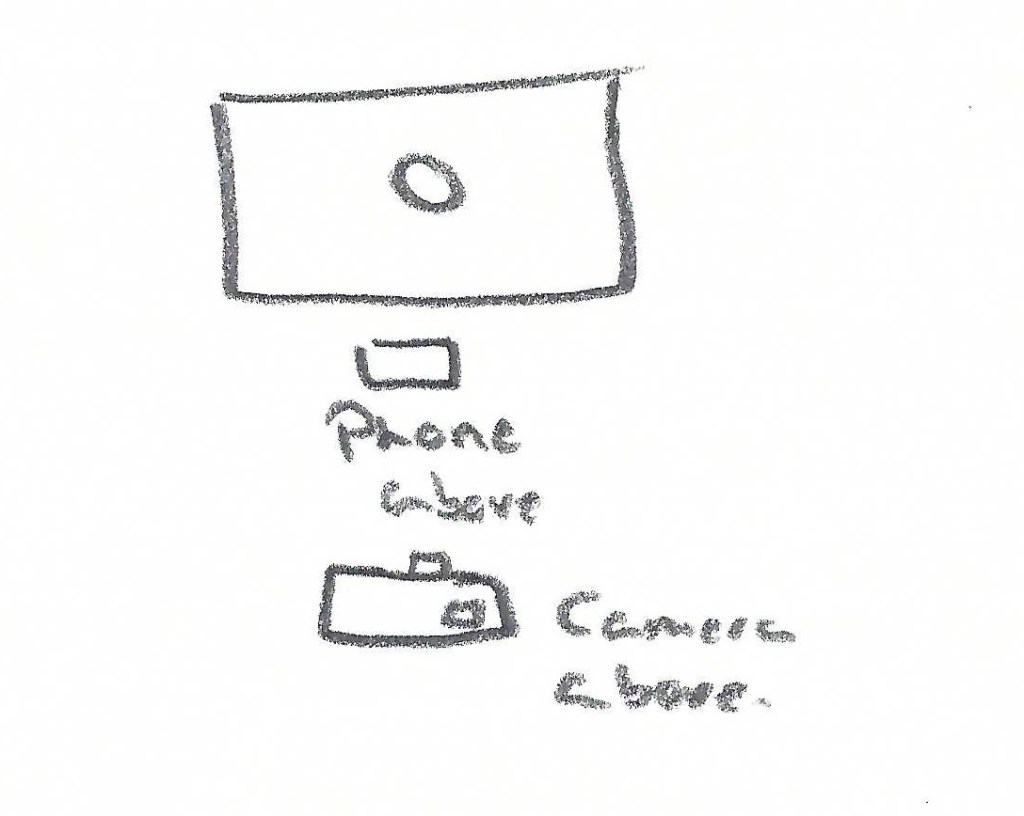
Exercise 5.1 – The Distance Between Us

Part 5, Reflection on coursework, Thoughts & Ideas

Summary:

In this post I

– Included the brief for this exercise

– Listed my initial plans, concepts and why

– Shared my camera settings and technical information

– Before providing the contact sheets for my shoot

– Inserted 6 of my favourite shots from the set and explained why through analysis

– Chose my ‘select’, analysed the image

– Before discussing why I chose it as the strongest image, the unintentional and conceptual elements discovered

Brief:

Use your camera as a measuring device. This doesn’t refer to the distance scale on the focus ring. Rather, find a subject that you have an empathy with and take a sequence of shots to ‘explore the distance between you’. Add the sequence to your learning log, indicating which is your ‘select’ – your best shot. When you review the set to decide upon a ‘select’, don’t evaluate the shots just according to the idea you had when you took the photographs; instead evaluate it by what you discover within the frame (you’ve already done this in Exercise 1.4). In other words, be open to the unexpected. In conversation with the author, the photographer Alexia Clorinda expressed this idea in the following way. Look critically at the work you did by including what you didn’t mean to do. Include the mistake, or your unconscious, or whatever you want to call it, and analyse it not from the point of view of your intention, but because it is there. (Bloomfield, 2018)

Initial plans

I didn’t want to give too much thought about what to take images of to give myself a challenge; instead, I read the brief and decided to pick the first subject that came to mind in terms of empathy. As a result, the deforestation and increase of littering within my local woodland popped up first.

Growing up next to woodland is something to be grateful for as nature is right on your doorstep and isn’t something everyone has the privilege of having. Unfortunately, I’ve watched this beautiful area be the victim of mass deforestation and urbanisation to allow room for more homes. Building on land to cover the rise in population isn’t so much the problem, but the littering, lack of care taken after trees and foliage removable are.

It’s not satisfying to go on a nature walk, to find metal barriers up that are yet to move, piles of logs and leftover branches scattered around the place with signs and ripped tape on the floor. Seeing all the changes happen and watching it decline since childhood makes me feel empathetic toward the animals that live within those woods, the insects, trees and the pedestrians who want to observe this place.

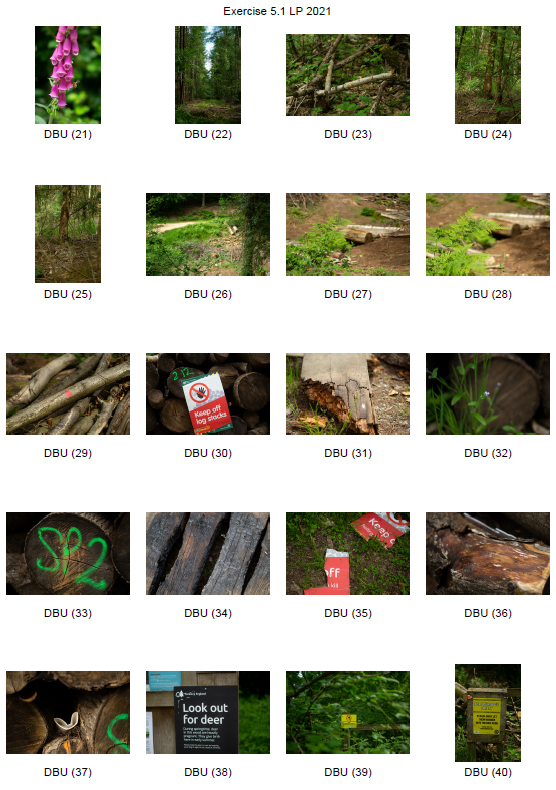
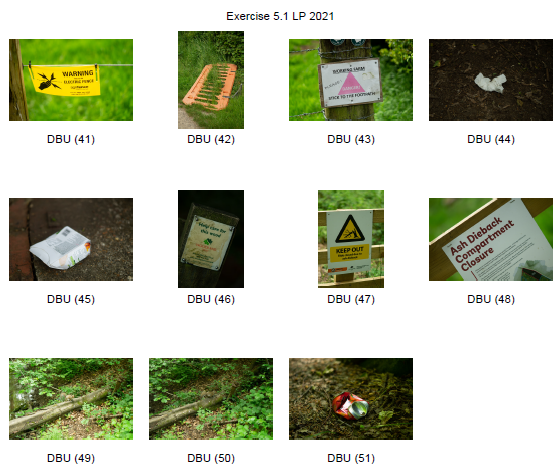
I used my SONY A57, set my aperture to F/2.8, the focus and camera settings to manual before heading out on a walk around the woods. Not knowing what I was going to find made this exercise more challenging as I wasn’t sure whether there would be enough around to gather a substantial amount of images to choose from, although, wasn’t the case as seen below in my contact sheets.

Contact sheets
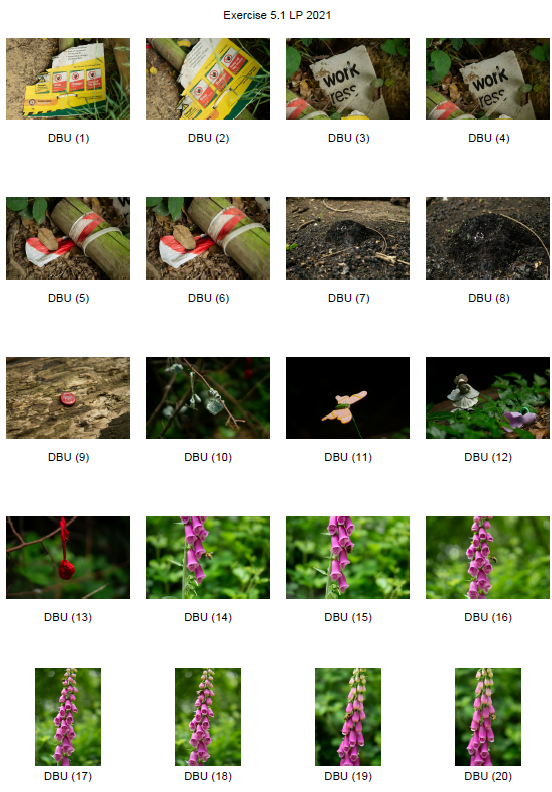
A selection of favourite images:

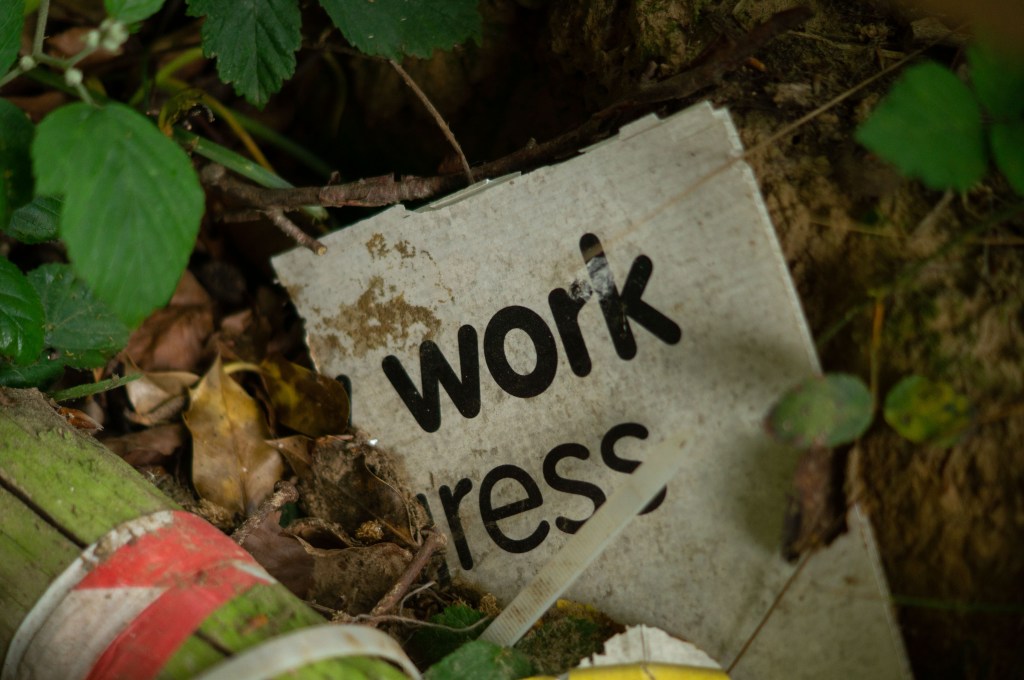
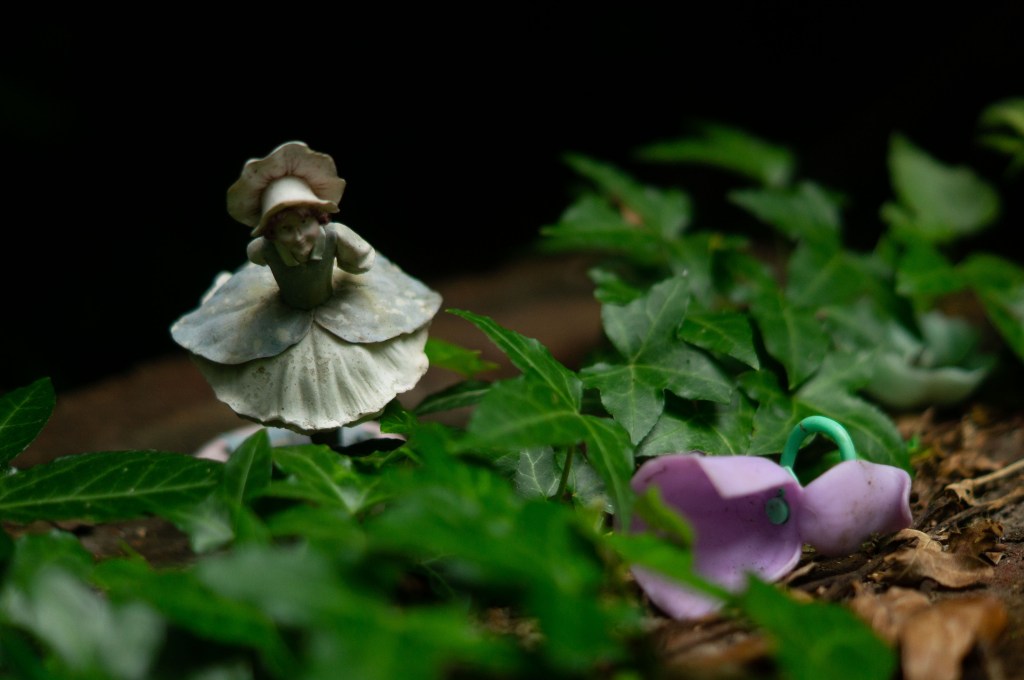
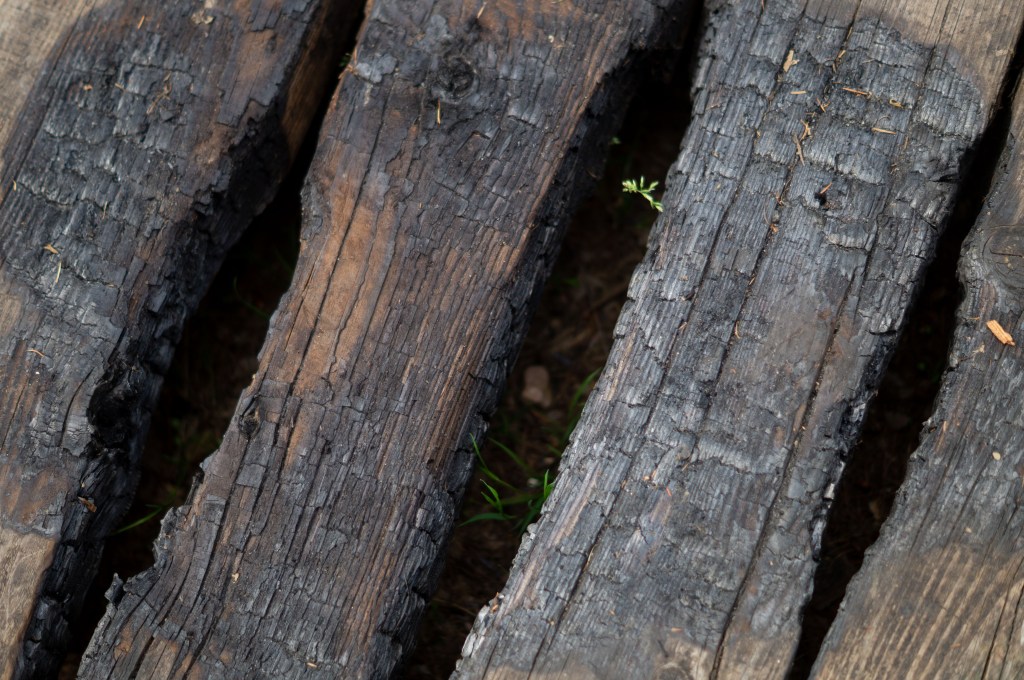
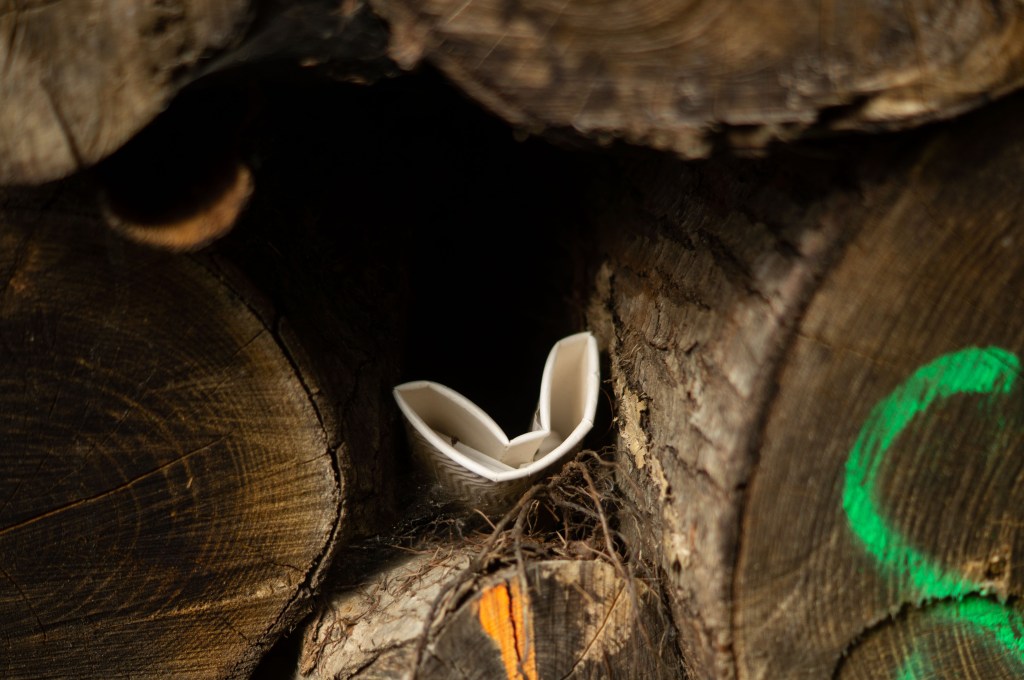
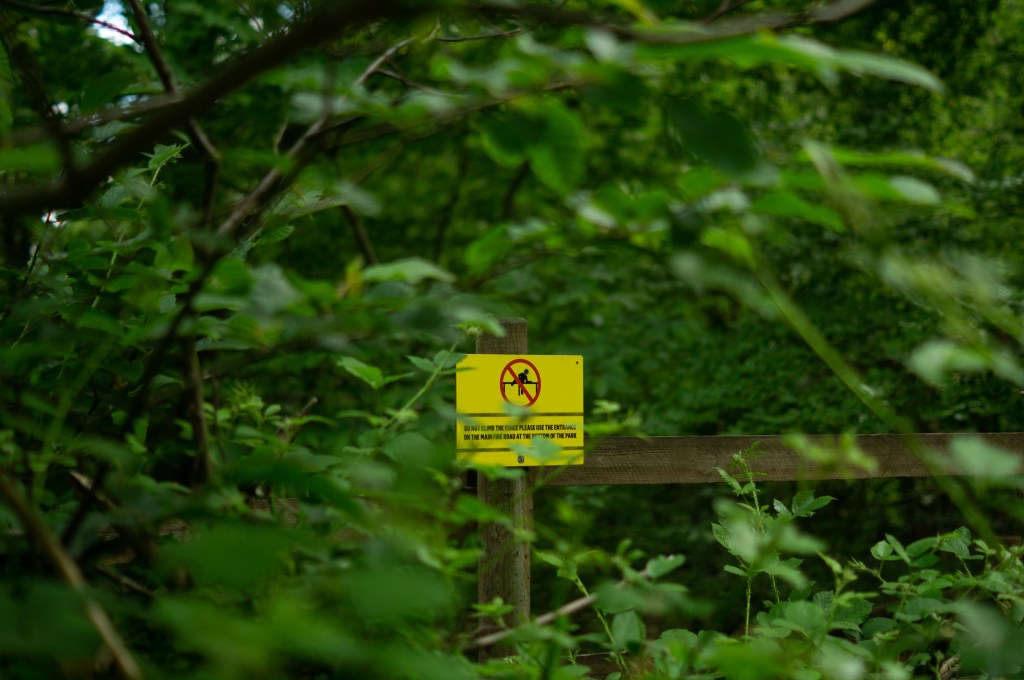
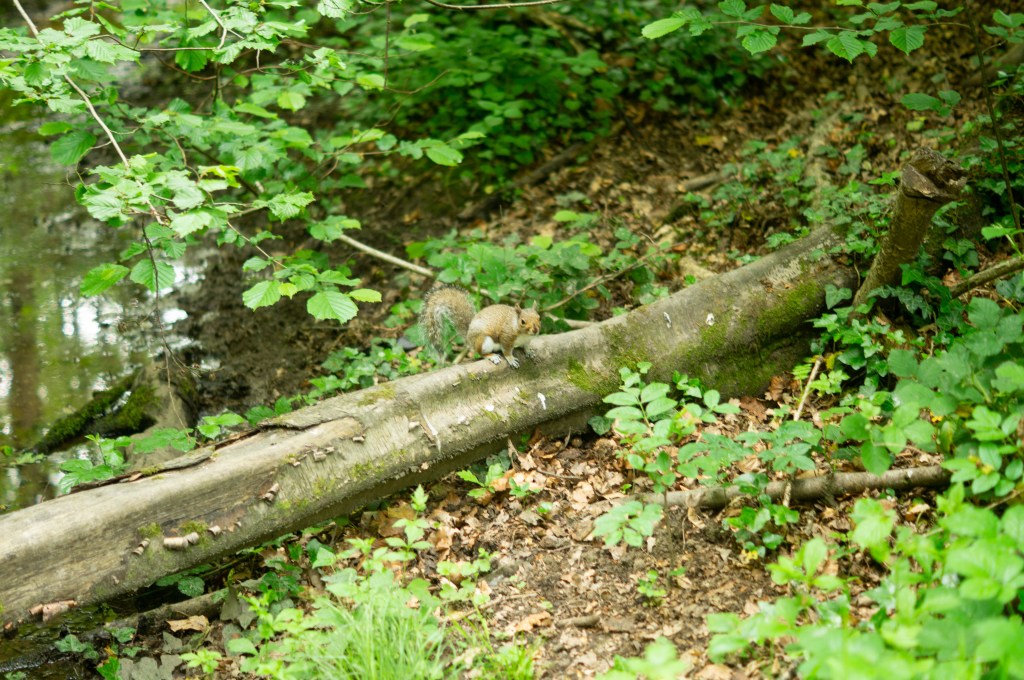
The selection of the six images above is visually strong, well framed and clearly show where the focal points are. Earthy tones perfectly reflect the life and death of nature, rich soil and crisp green foliage. Tonal differences throughout the compositions provide a steady balance between the dark shadowy areas, well lit vibrant sections and shapes that supply a contrast between the organic and more structural man-made subjects featured. Using natural overcast light allowed me to capture diffused shadows and highlights that made the shallow depth of field creamer and smooth, complimenting the fragility of the nature I was documenting. Contextually and conceptually, they present the various elements found within our woodland, from rubbish, to work signs, animals navigating through their home despite it. It may encourage the viewer to think about our effect on the area we live in, how people treat it and the results of these actions. The juxtaposition between nature and man-made objects or situations is jarring as it doesn’t belong and evokes a powerful reaction.

My final ‘select’:
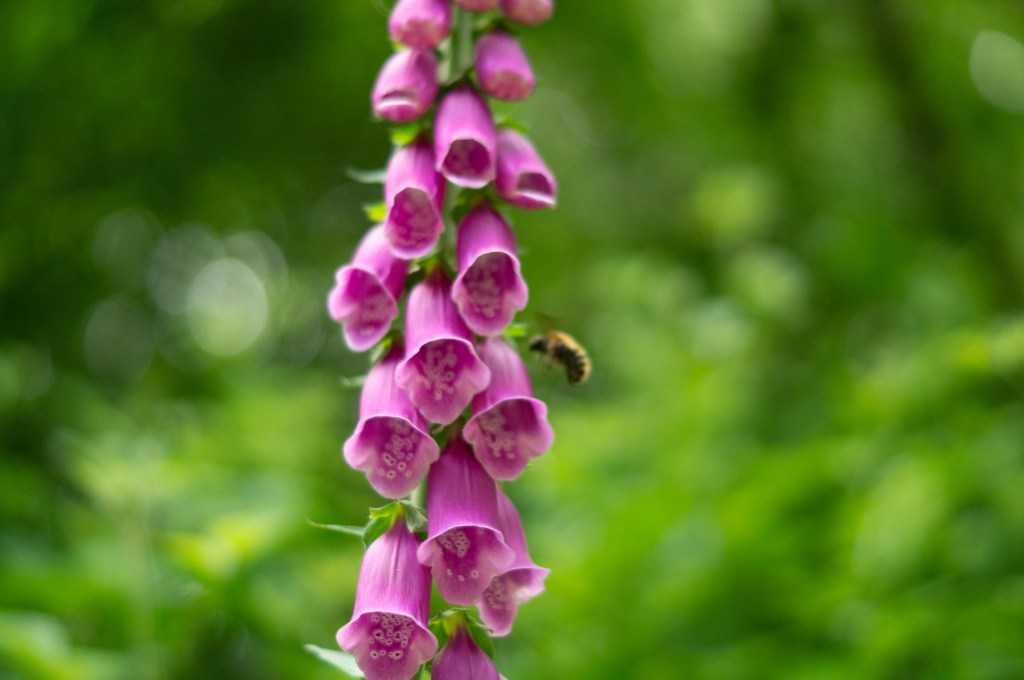
Fig. 10. DBU 16 (2021)

While that collection of photographs were powerful contenders for my ‘select’ and final image, the shot that spoke the most to me was DBU 16 (see Fig. 10). This picture surprised me the most, as it doesn’t necessarily present the idea of deforestation and the massive effect on nature at first glance. Unlike the other compositions, there aren’t any man-made subjects within the frame indicating building work, littering or burnt wood and foliage. Tonally it is balanced, as the shadows and highlights are soft rather than heavily contrasted, while the colours are vibrant and pleasant to look at. Everything about this shot is organic, fresh and full of life, soft due to the natural light and shallow depth of field; a complete juxtaposition to the darker, grittier photographs of old cups, spray-painted trees and plastic items. However, conceptually it still connects with my initial idea of capturing the woodland and its effects on nature and humans etcetera.

When I saw the foxglove growing in between the grass down a thin, closed off path, I was inclined to capture it even though I felt it didn’t ‘fit’ the aesthetic or context behind this exercise. This flower was in the most secluded area, away from the set path, in the middle of trees and tufts of long grass. Despite the destruction and interactions that have taken place in the area, this piece of nature has thrived. Its petals were vibrant, silky and undamaged, while leaves from the trees behind were crisp, fresh and thriving. Initially, I just thought I was taking a pretty picture, quite a simple shot which some may call a ‘postcard shot’, but when I looked at it closely there was a bee in the background. Nature continues to live on no matter what we’re doing, doing its job, much like the bumblebee in this shot. It wasn’t intentional to have a bee in the frame as the focal point was on the foxglove but it’s added an extra layer to the composition as a whole. Without bees and other insects, we wouldn’t have flowers, trees and a healthy abundance of nature to help us survive. The fact that its wings blurred despite the fast shutter speed and its convenient placement within the shallow depth of field in the background feels like a clever reference to the decrease in bees and the danger they face due to the lack of plants that allow them to pollinate. If the bee was further back we would barely see it; it would disappear in the blur.

The distance between humans and nature isn’t far at all, we need it more than we think.

Reflection:

This exercise was interesting as it lightly linked back to assignment 1, where I revisited important places from childhood to see how they had changed. My final image wasn’t one I was expecting to choose, purely because of the initial plan to explore the destruction and man-made influences within the local woodland. Giving myself a challenge by picking the first idea that came to mind made me focus more on the location which is what photography is all about. It was a risk, but it worked.

The distance between us has taught me that photographs may look simple, plain and just become another pretty picture, but if you take a deeper look you may find something you weren’t anticipating. When selecting images, it’s important to choose those that are compelling even if it’s not one of your favourites to start with. In future, I will be more flexible when it comes to picking a final set and presentation.

References:

Bloomfield, R., 2018. Photography 1: Expressing your Vision. 4th ed. [pdf] Barnsley: OCA, p. 103. Available at: https://www.oca-student.com/course/photography-1-expressing-your-vision [Accessed 13 June 2021].

List of images:

Figure. 1. Powell, L. (2021) Contact sheet 1 [pdf, screenshot] In possession of: Lauren Powell: Eastleigh.

Figure. 2. Powell, L. (2021) Contact sheet 2 [pdf, screenshot] In possession of: Lauren Powell: Eastleigh.

Figure. 3. Powell, L. (2021) Contact sheet 3 [pdf, screenshot] In possession of: Lauren Powell: Eastleigh.

Figure. 4. Powell, L. (2021) DBU 4 [image] In possession of: Lauren Powell: Eastleigh.

Figure. 5. Powell, L. (2021) DBU 12 [image] In possession of: Lauren Powell: Eastleigh.

Figure. 6. Powell, L. (2021) DBU 34 [image] In possession of: Lauren Powell: Eastleigh.

Figure. 7. Powell, L. (2021) DBU 37 [image] In possession of: Lauren Powell: Eastleigh.

Figure. 8. Powell, L. (2021) DBU 39 [image] In possession of: Lauren Powell: Eastleigh.

Figure. 9. Powell, L. (2021) DBU 49 [image] In possession of: Lauren Powell: Eastleigh.

Figure. 10. Powell, L. (2021) DBU 16 [image] In possession of: Lauren Powell: Eastleigh.


Assignment 4 – Languages of Light – Write up

Assignment 4, Reflection on assignments, Thoughts & Ideas

For this assignment, we had to revisit one of the exercises from part four of this course and develop it into a formal piece. The exercises explored natural light, artificial light or controlling light, from which I chose the last. Photographers can use the light provided to them at the time or take it into their own hands to get the shadows and highlights they require.

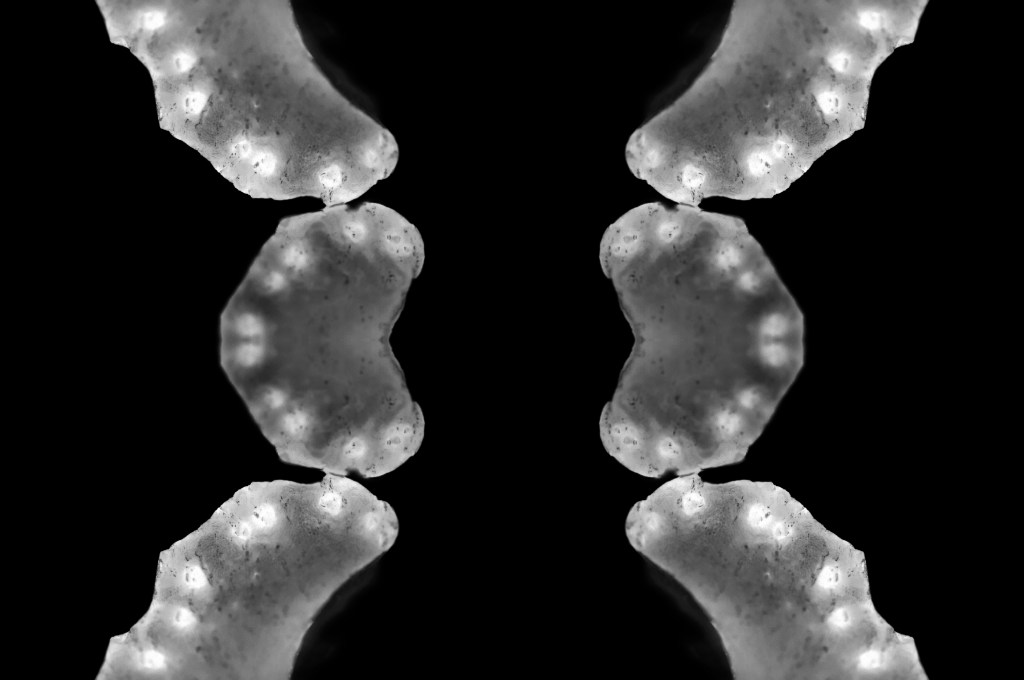
The final images for my assignment were black and white, 360-degree mirrored images of the cross-sections of fruit and vegetables. I took the techniques from exercise 4.3, ‘Egg or stone’, lit the subjects from underneath with a light pad to create a highly contrasted yet 2D image full of detail to prevent the work from being flat and lifeless.  

Doug McKinlay made a tutorial on capturing slices of fruit, vegetables, flowers and other translucent items with a lightbox and macro lens. Overexposing the images by one or two stops prevents the background from being dull and grey (McKinlay, 2017), enhancing the bright whites and colours of the subject. McKinlay shot his images without a tripod by bumping the ISO up enough to allow for a fast shutter speed, avoiding camera shake. I intended to use a tripod for my photoshoot to prevent any blur, yet, the lens was not close enough to the slices, forcing me to go handheld and use the advice from the YouTube tutorial.

Andy Ellison is an MRI technician who tested his MRI scanner settings by scanning the cross-section of an orange. He was so impressed by the results that he created an entire series of images from fruits and vegetables, both static and animated Gifs of the scans. The scans inspired me to explore the idea of black and white film negatives, but on a much larger scale. Film negatives are the opposite of a fully developed print, ghostly yet beautiful. The denser areas are white or light grey, while exposed areas are dark grey or black, much like medical scans. 

I combined ‘the use of lightbox and macro photography technique from McKinlay’s tutorial, Ellisons MRI scans and presenting them as individual prints like Gomez’ lumen prints; while keeping it unique’ (Powell, 2021). My SONY A57 settings were manual, with an ISO of 1600, aperture of F/2.8., a range of shutter speeds depending on the subject and the light intensity.

The light source for the photoshoot was an A4 LED light pad, set to the highest setting and covered by a sheet of white paper to block out the dots on the surface. Overexposing the image like McKinlay suggested prevented the background from going grey and dulling the slices of food. Shooting from above flattened the subject while keeping the shadows and highlights balanced. Using a shallow depth of field caused the camera to focus on the areas closer to the lens. As a result, it created a soft eerie effect on some of the images when converted to black and white. The macro lens allowed me to examine the fruit and vegetables more intimately, enhancing the small details within the flesh and how they are grown.

Using photoshop to invert the images and convert them to black and white using a B&W filter and gradient map allowed me to achieve the ‘negative film’ and scan effect that I was hoping to replicate. Enlarging the canvas and duplicating the individual shots to create a 360-degree symmetrical piece intensified the details and shapes within the photographs selected from my shoot.

The final images are complex, highly contrasted, full of texture and shapes, much like an MRI scan or x-ray would be of the body. The context for these pieces is limited. Viewers can analyse and come to their conclusions about the images, what they mean, what the subject is, similar to Hermann Rorschach’s inkblot tests where people describe what they see within the abstract art. Each response is different depending on the person, making the art more captivating.

Presenting the photographs as strong individuals allows each piece to be appreciated, rather than a pair of average images complementing one another to create a set. The vertical order of the pictures enables the collection to become a powerful group of ‘scans’ from head to toe.

The most compelling images for me are Scan 1 and Scan 3, as they are ripe with texture, contrast, shapes and details. They look like flesh, with the addition of tougher and denser areas throughout, balancing the composition as a result. Heavy black areas represent the bright white areas created by the light pad placed underneath the translucent slices. Intense white areas show the thicker and less exposed elements within the fruits and vegetable makeup. Even though the photographs are flat and two-dimensional, the artificial arrangement of the images creates a complex and exciting art piece from what were individual shots.

Taking images of the fruits and vegetable so closely filled the frame and included little background, causing some of the photographs to be too bright when inverted and providing little or no dark areas to frame the subject like most of my final pieces. Making sure the arrangements balanced before pressing the shutter, resulting in a better finish. Taking a little more time to compose is something I would consider doing more if I were to do this shoot again.

This assignment has been fascinating to explore as I pushed myself out of a comfort zone, experimented with controlled light and discovered the incredible results it could achieve. Every light source is just as good as the other if you know how to use each one efficiently.

References:

McKinlay, D. (2017) Light Box Art: Stay Focused with Doug McKinlay [Video] Available at: https://www.youtube.com/watch?v=kWiL5N-b4YM (Accessed 28th May 2021).

Powell, L. (2021) Further research and shoot plan [Blog post] Available at: https://laurenpowelloca.photo.blog/2021/06/07/further-research-and-shoot-plan/ (Accessed 7th June 2021).

Final image analysis and contact sheets

Assignment 4, Reflection on assignments

Summary

In this post I

– Discussed the post-processing that took place to edit my final images, how it was achieved and why

– Included screenshots of the editing process before discussing which images were stronger and the weaknesses of others

– Inserted the annotated contact sheet including the final image edits and the pictures I was considering for presentation

– Included all of the final images as individuals in vertical order, allowing the images to be viewed as a group.

– Explored my reasoning for presentation, where my inspiration for the final pieces came from and the strengths and weaknesses in a short analysis

– Before reflecting on the process as a whole.

Post-processing

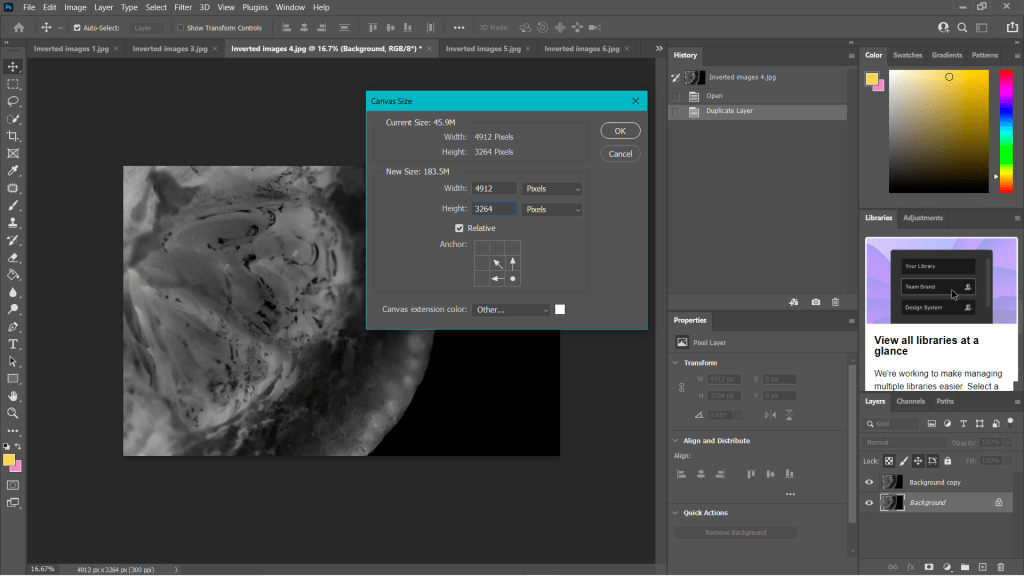
To create my final images I took my black and white inverted shots, enlarged the canvas by 4 (See Fig. 1), before creating three duplicates of the photographs and changing the orientations of each to mirror one another (See Fig. 2). As a result, this created multiple 360-degree pieces out of what was one image. The inspiration for these compositions came from Andy Ellison, an MRI technician who scanned fruits and vegetables as a way to test his MRI machine settings (Insider, 2013). Ellison’s work influenced me to produce a photograph that looked ‘beautiful, ghostly … like they could be part of the human body’ (Powell, 2021).

Some of the individual images weren’t strong enough when duplicated and turned into a mirrored image, as can be seen in my annotated contact sheet for these edits (See Fig. 3). Scan edit 5, was interesting in terms of texture and symmetry but wasn’t as exciting as the others due to the lack of shape, contrast and detail. On the other hand, scan edit 9 was overexposed, lacked texture and detail but had an interesting eye shape. Edits 12 and 13 were good composition-wise as the frame was full, juxtaposing the other images and documenting highlights more so than shadows. However, those particular images wouldn’t have been fitting when presented with the rest of the group because of this big difference; it would be quite jarring to look at.

The pieces with the red above them are the images I felt are the best of the collection, not only because of their comparisons contrast and details wise, but they each look like an individual body part. The similarities pull them together as a set, but the shapes and subjects allow them to be unique enough to tell their own story.

Fig. 3. Contact Sheet (2021)


Final images

This assignment requires 6-10 high-quality photographic prints if you’re planning to submit for assessment, therefore, the editing for this particular set of images is important. The way your images are presented could heavily influence the way a viewer looks at the pieces and what they get from them. If you pick an art piece that isn’t as strong as the rest, the entire group could be less impactful and draw fewer people in.

I chose the presentation, and the order of my photographs was by referring back to my practitioner research and shoot plans. I wanted to explore the ‘aesthetic’ of film negatives, lumen prints and how ghostly they look after development. Instead of producing an image that reflected a typical black and white photographic print, the edits were inverted to represent an enlarged version of a negative film or black and white lumen print. The final edits reflected my study of MRI scans from Andy Ellison that document the thin and dense areas of the subject via heavy contrasts. Scans can ‘show the thicker areas that are blocking out most of the light or rays via a white or light grey image … ‘ (Powell, 2021) but aren’t limited to this, as denser areas can be darker while the thin areas remain whiter in some MRI’s or x-rays.

While looking at the final images, I noticed how much they looked like body parts or at least a mutated version of a body part. Printing the chosen images off allowed me to arrange the photographs in multiple orders to see what worked best and why. Eventually, I decided on the order shown above and sat with it for a few days before confirming that this was the arrangement I felt was suitable for this set. From the top downwards, we have images that look like the brain, eyes, a set of teeth, spine, torso, hips and legs.

The final set is balanced with shadows and highlights, full of detail, a range of textures and shapes. The shallow depth of field enhances the eerie effect seen throughout each image, especially in Scan 1 (see Fig. 4). There is a soft grey area just below all the crackled black areas around the edge of the fruit, that frames the middle of the image, enhancing the details within that area and the surrounding edges. Smudgy dark marks can be seen on the outer edges of Scan 4 (see Fig. 7) that look like an inkblot painting, bleeding into the paper and symmetrical all around. Scan 3 (see Fig. 6) is the strongest piece in my opinion, due to the range of tones throughout, bright highlights, dark shadows and mid-grey’s. The shapes look sharp in some places and blunt in others, the block of black in the middle of the frame intensifies the scary form of the fruit. Grooves and dents within the subject, give the image a fleshy texture, as a result providing some context as to what the object may be or how it may feel.

Reflection

This assignment has been interesting to explore as I pushed myself out of my comfort zone, experimented with controlled light and the results that could be achieved. I have managed to combine the use of lightbox and macro photography techniques from McKinlay’s tutorial, Ellison’s MRI scans and presenting them as individual prints like Gomez’ lumen prints; while keeping it unique and making it my work by taking influence from a past light project of mine from 2015.

The final images are strong, complement one another and present an interesting idea that doesn’t have a lot of context to it, unless you knew what the subject was and how the pieces were put together. This set allows the mind to analyse what is happening, inspect all of the details and paths within the photographs and the meaning behind them. It is a complex group of pieces that challenge the stereotypical use of controlled light and studio photography.


References

Insider (2013). Andy Ellison X-Ray Scans of Food. [online] Available at: https://www.businessinsider.com/andy-ellison-x-ray-scans-of-food-2013-3?r=US&IR=T (Accessed 28 May 2021).

Powell, L (2021). Further research and shoot plan. [online] Available at: https://laurenpowelloca.photo.blog/2021/06/07/further-research-and-shoot-plan/ (Accessed 7 June 2021).

List of images

Figure. 1. Powell, L. (2021) Canvas [Photoshop, screenshot] In possession of: Lauren Powell: Eastleigh.
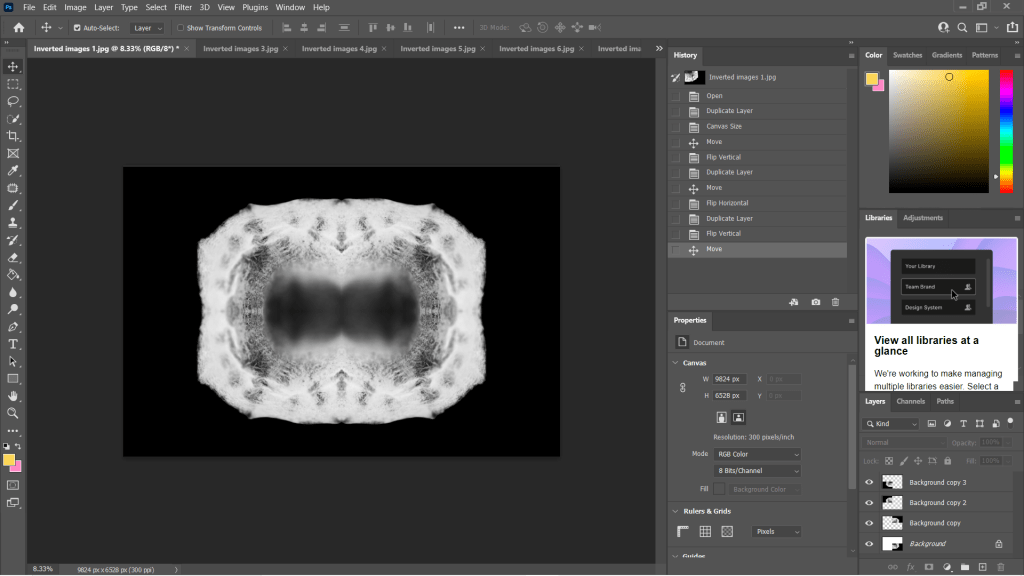
Figure. 2. Powell, L. (2021) Duplications [Photoshop, screenshot] In possession of: Lauren Powell: Eastleigh.
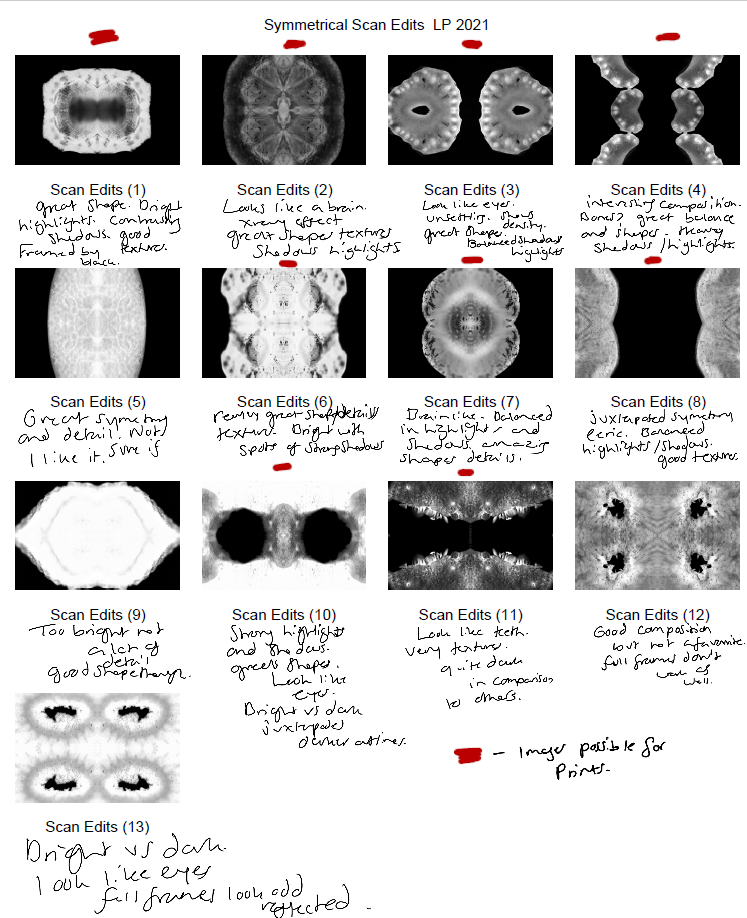
Figure. 3. Powell, L. (2021) Contact Sheet [Adobe Bridge, screenshot] In possession of: Lauren Powell, Eastleigh.

Figure. 4. Powell, L. (2021) Scan 1 [image] In possession of: Lauren Powell, Eastleigh.

Figure. 5. Powell, L. (2021) Scan 2 [image] In possession of: Lauren Powell, Eastleigh.

Figure. 6. Powell, L. (2021) Scan 3 [image] In possession of: Lauren Powell, Eastleigh.

Figure. 7. Powell, L. (2021) Scan 4 [image] In possession of: Lauren Powell, Eastleigh.

Figure. 8. Powell, L. (2021) Scan 5 [image] In possession of: Lauren Powell, Eastleigh.

Figure. 9. Powell, L. (2021) Scan 6 [image] In possession of: Lauren Powell, Eastleigh.

Figure. 10. Powell, L. (2021) Scan 7 [image] In possession of: Lauren Powell, Eastleigh.


Contact sheets for photoshoot and edited images

Assignment 4, Notes, Reflection on assignments

Summary

In this post I

– Described my shoot setup, the camera settings I used and any issues faced.

– Provided annotated contact sheets for the images taken for this photoshoot

– Before briefly explaining the annotations and why I chose those images to edit

– Included the contact sheets for the images I selected to convert into black and white

– As well as screenshots to show how it was done, referring back to my previous research

– Finishing the post off with a brief reflection on the images I shot and what I intend to do going forward

Shoot setup

For this shoot I initially intended to set my camera up on a tripod to keep the camera steady as the macro lens is quite heavy, however, this meant that the camera wasn’t as close to the cross-sections as I wanted them to be. As a result, I boosted the ISO to 1600 to allow for a faster shutter speed and a brighter exposure level. The weight of the lens made the process slightly more challenging as I had to manual focus too, but it was thankfully successful. To make the focal points more prominent when photographing any details the aperture was F/2.8 to allow for a shallow depth of field if taken at an angle to blur any background features. Overexposing the images slightly enhanced the brightness of the white background, like Doug McKinlay, suggested in his lightbox tutorial Light Box Art: Stay Focused (2017), preventing the image from looking dull and textured from the paper underneath.

Rather than using a large lightbox, I purchased an A4 light pad which is much smaller and thinner, but bright enough to do the job. A variety of fruits and vegetables were bought in advance and sliced to provide me with a range of colours, shapes, textures to play around with when composing the image.

Contact sheets for photoshoot

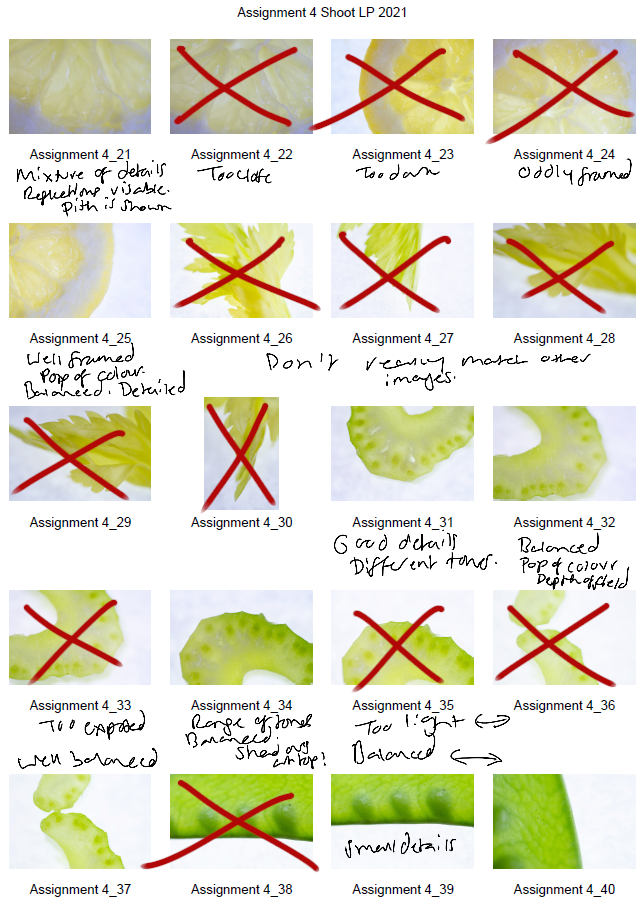
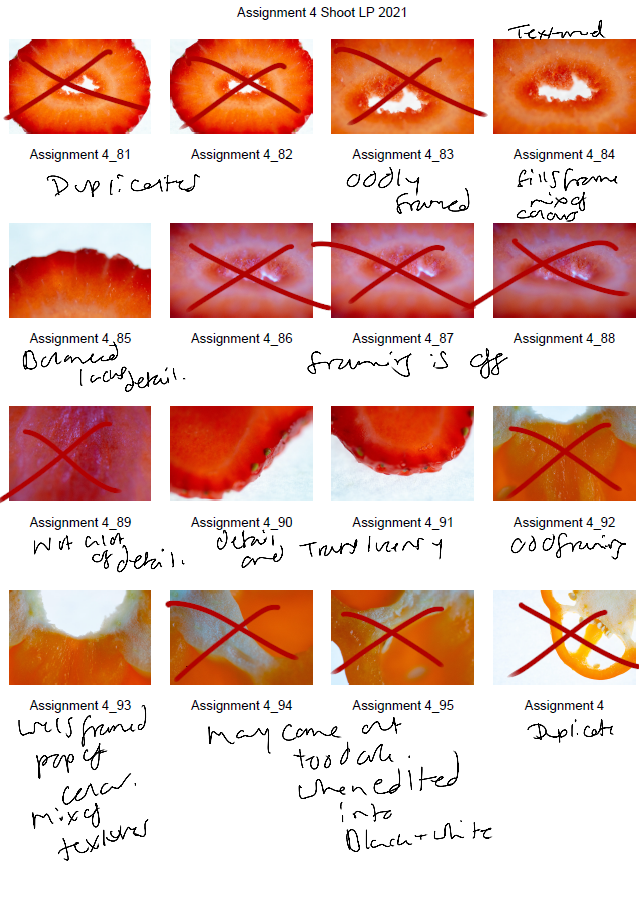
The first set of contact sheets are for the shoot itself, including brief annotations to explain what I like about each particular shot, why I have crossed a majority out and what may become of them in post-production. After annotating and selecting my favourites from the entire photoshoot, I then took these images into photoshop and edited them to see what they would look like in black and white.

The images are as follows:


Contact sheet for edits

To get the results shown in my contact sheets, I lightly corrected some of the shadows and highlights in the images that needed retouching before converting them to black and white. To change the colour is used the B&W tool and selected ‘blue filter’ (See Fig. 1) to enhance the contrast. To mimic an inverted image and MRI, I then used the gradient tool in reversed black and white (See Fig. 2).

I wanted to choose a range of images to use in my final image edits, so I made sure to select shots that were heavily black in some areas and bright white in others, highly detailed or minimally textured for the remaining few. This gave me a wide selection to experiment with and create strong symmetrical compositions from. Showing variety was important to me for this photoshoot, appreciating multiple fruits and vegetable structures and juxtaposing between the imagery and reference the different kinds of scans as discussed in my previous research, ‘some scans may vary and present the denser areas in black or grey…’ (Powell, 2021).

Reflection

This photoshoot helped me appreciate the structures of the food we grow and eat, the minuscule details within them and how beautiful they are. I was able to be flexible with my plans for this shoot, not letting the weight of my camera ruin the imagery and changing the settings to work with what I had. Reviewing the images shown on my contact sheets allowed me to reduce the number of photographs needed in the initial post-production process and once again after they’d been edited to black and white.

Understanding the process in detail before doing the shoot, rather than briefly researching a concept and making things up as I go, helped this project to flow a lot smoother and resulted in some powerful images.

The final images will be in a separate post from this one, but I am thrilled with the selection chosen.

References

McKinlay, D (2017). (2017) Light Box Art: Stay Focused with Doug McKinlay [YouTube, screenshot] Available at: https://www.youtube.com/watch?v=kWiL5N-b4YM (Accessed 28 May 2021).

Powell, L (2021). Further research and shoot plan [online] At: https://laurenpowelloca.photo.blog/2021/06/07/further-research-and-shoot-plan/ (Accessed 28 May 2021).

List of images

Figure. 1. Powell, L. (2021) Contact sheet 1 [pdf, screenshot] In possession of: Lauren Powell: Eastleigh.
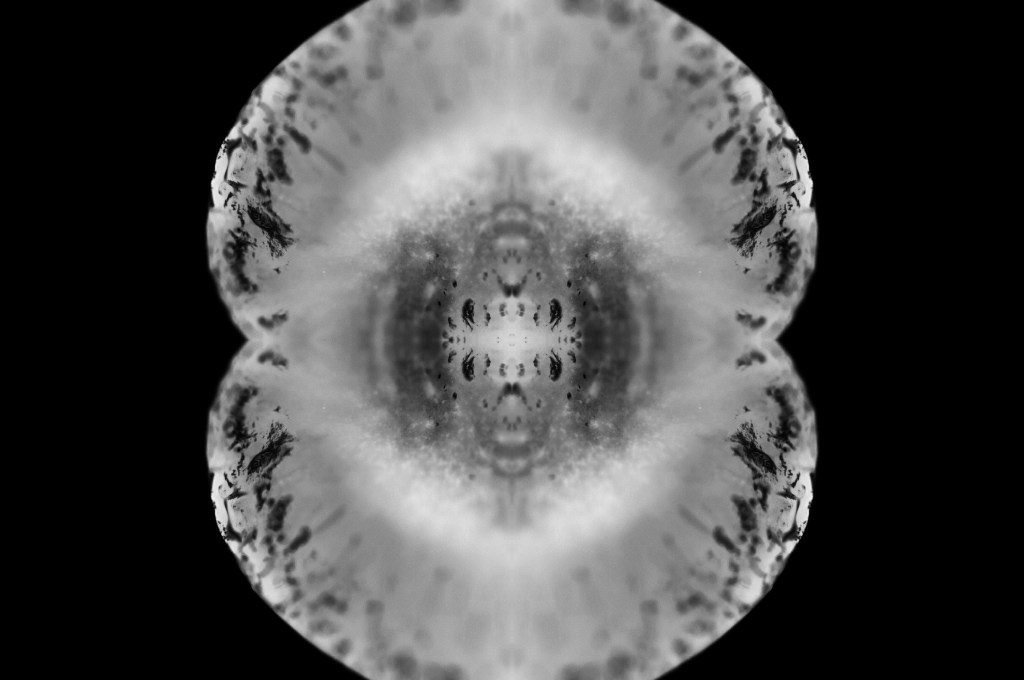
Figure. 2. Powell, L. (2021) Contact sheet 2 [pdf, screenshot] In possession of: Lauren Powell: Eastleigh.
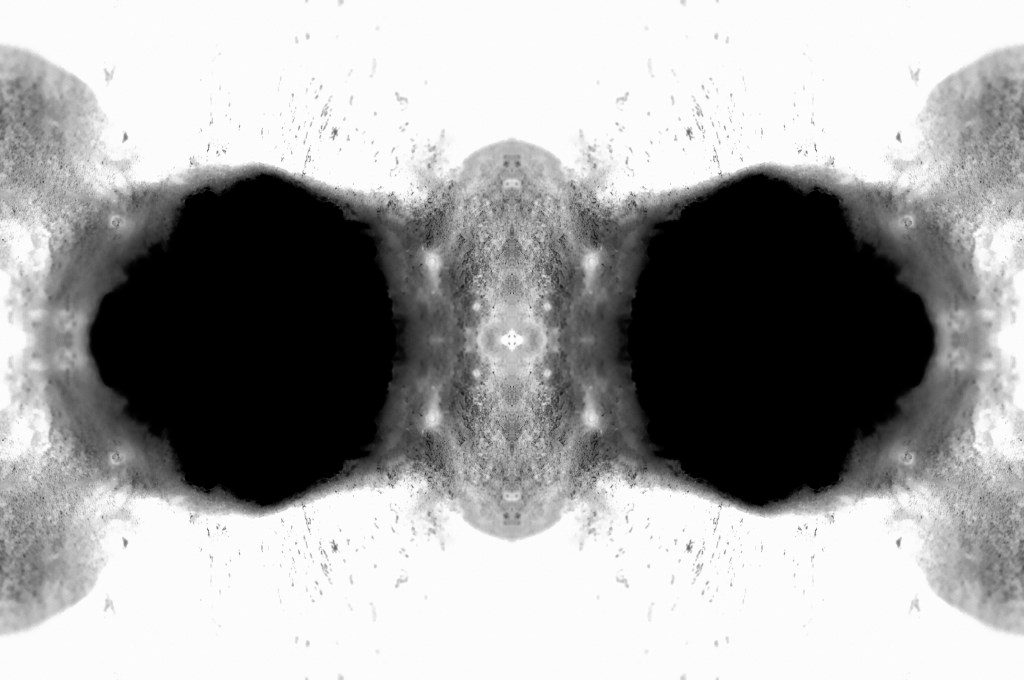
Figure. 3. Powell, L. (2021) Contact sheet 3 [pdf, screenshot] In possession of: Lauren Powell: Eastleigh.
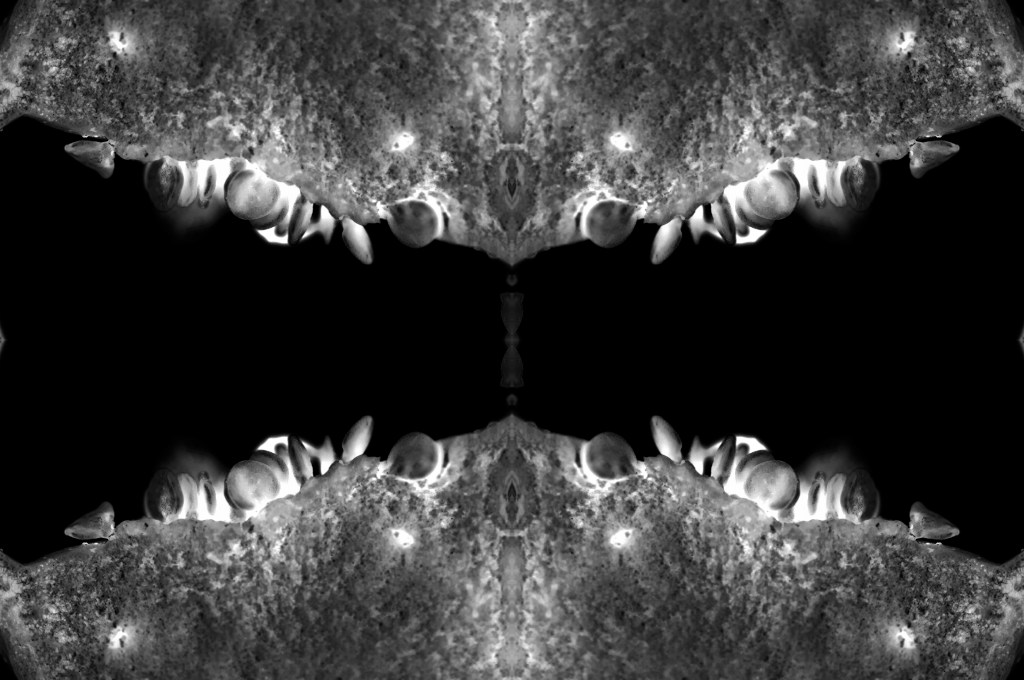
Figure. 4. Powell, L. (2021) Contact sheet 4 [pdf, screenshot] In possession of: Lauren Powell: Eastleigh.
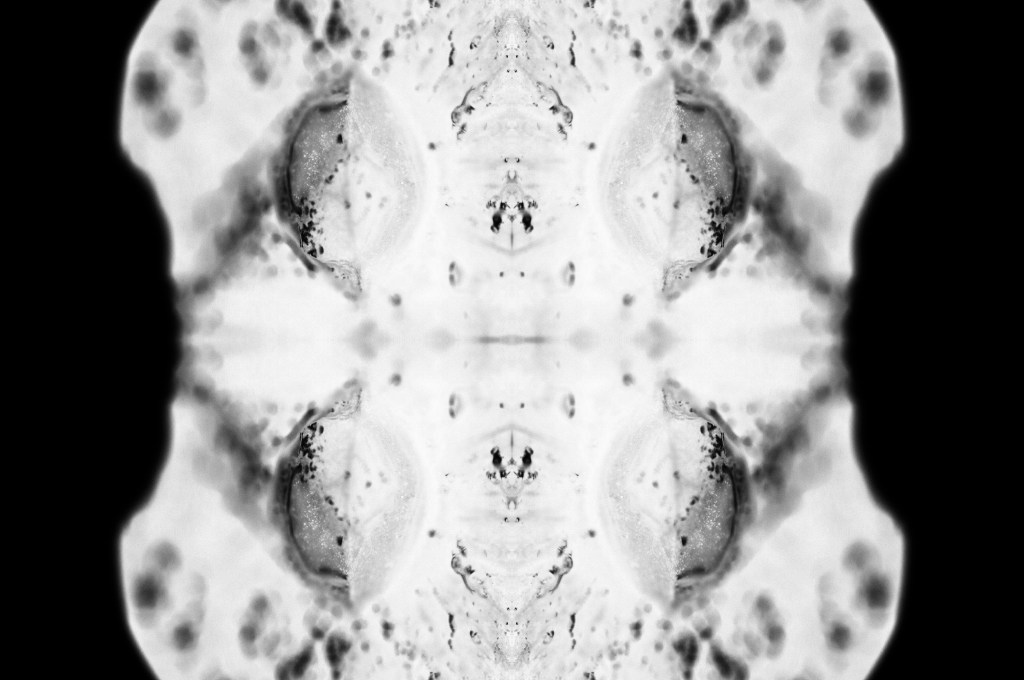
Figure. 5. Powell, L. (2021) Contact sheet 5 [pdf, screenshot] In possession of: Lauren Powell: Eastleigh.
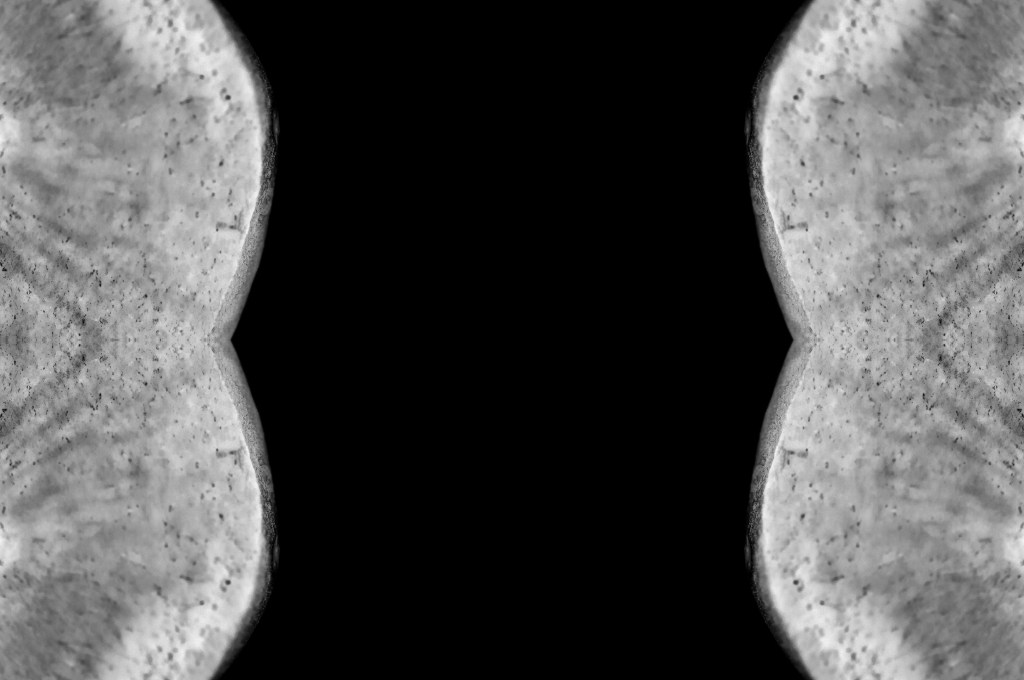
Figure. 6. Powell, L. (2021) Contact sheet 6 [pdf, screenshot] In possession of: Lauren Powell: Eastleigh.
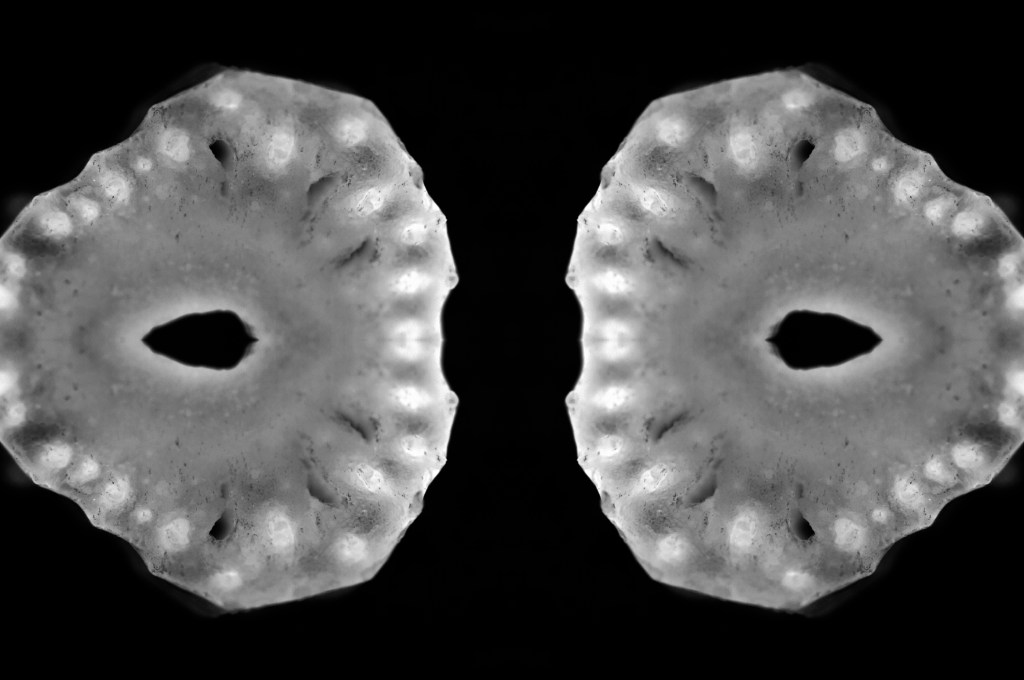
Figure. 7. Powell, L. (2021) Black and White [Photoshop, screenshot] In possession of: Lauren Powell: Eastleigh

Figure. 8. Powell, L. (2021) Gradient Map [Photoshop, screenshot] In possession of: Lauren Powell: Eastleigh

Further research and shoot plan

Assignment 4, Online Research, Reflection on assignments, Thoughts & Ideas

Summary

In this post I

– Discussed lightbox and food photography, following a short YouTube tutorial from Doug McKinlay

– Explored the details of his shoot set-up, camera settings and lighting choices

– Suggested the differences I would make if I were shooting this project and the type of subjects that can be used

– Before briefly analysing a screenshot of his work from the lightbox shoot.

– Researched the concept of MRI’s scans and the use of fruit and vegetable cross-sections

– Discussed the idea behind Andy Ellison’s scans and why he did them

– Explained the similarities between MRI’s and negative film, what they pick up and the differences we can find

– With a brief analysis of Ellison’s work and the contrasts between the two.

– Explored the technical approach for symmetrical and asymmetrical images, the balance and elements that make them what they are.

– While referencing a past project I did in 2013 and analysing an image from it to explain my understanding of the technique.

– Provided bullet points for my shoot plan for this assignment and a reflection on this post as a whole

– What it taught me and what I’d like to implement in my work.

Lightbox and food photography

Following my techniques research where I looked at macro, abstract photography and lumen prints, I decided to focus on lightbox photography and using a macro lens to explore my chosen subject in a more intimate, up close and personal way.

Doug McKinlay, a UK based photographer released a short YouTube tutorial in March of 2017, exploring lightbox art and ways to achieve some impressive shots from the comfort of your home. McKinlay’s set-up consisted of a large lightbox, placed on a few stools to avoid the camera being too close to the subjects, in turn causing the macro lens to struggle with focus. He gathered a variety of fruit and veg, sliced them into thin pieces and arranged them in a way that he felt was great for a strong composition. Using transparent or translucent items are ideal for this project, as light can pass through and highlight the details, rather than blocking light and becoming solid shapes.

McKinlay decided to set the aperture on his camera to F/8 allowing the depth of field to be even across the frame, however, suggested if the shutter speed isn’t high enough to shoot handheld then boost the ISO slightly without causing too much grain. I would use a tripod to steady the camera if the aperture was slightly wider and the shutter speed too slow to avoid handheld motion blur. Another tip that was suggested was overexposing by 1 or 2 stops, to avoid the camera light meter from turning the bright white light into a duller grey (McKinlay, 2017).

Depending on what you decide to photograph, their makeup and the thickness will influence the end product in a variety of ways, as can be seen in the screenshot I took from McKinlay’s tutorial (see Fig.1). The denser areas are darker and lack texture, whereas the thinner, more translucent elements of the fruit are lighter and full of texture, detail and colour. Being able to capture the tiny details and structure of the subject is fascinating, as it allows you to appreciate what it is made up of, how it holds itself together and what it might feel like if you weren’t already aware. In terms of composition, this isn’t my favourite as the layout isn’t the most exciting, however, the cold citrus colours and asymmetric segments, seeds and shapes make up for quite a simple subject placement. Overexposing the shot helped the background be crisp and white, preventing the background from looking dull and affecting the fruit slices as a result.

If I were doing this project, I would get closer to the subject, focus on the smaller details within the frame rather than the slices as a whole. Exploring the areas we don’t normally look at in much detail, removing context from the composition by cropping out some familiar elements with the lens, may encourage the viewer to appreciate what they are viewing for a little while longer.

Fig 1. Light Box Art (2017)

MRI’s on fruit and veg research

Andy Ellison is an MRI technician at Boston University Medical School, who has produced multiple scans of the cross-sections of fruit and vegetables, following an MRI machine settings test with an orange slice (Insider, 2013). While fruit and vegetables aren’t at risk of tumours or bleed as a brain maybe, they’re still complex, held together by their fibres and flesh much like the human body. Lemons, for example, are made up of segments and have little fleshy pockets of juice within, while human skin is made up of cells that are all connected to create many thin layers to protect us.

Ellison’s scans are beautiful, ghostly and look like they could be part of the human body which wonderful to see how incredible nature is and the patterns that can be found within something that has grown from a tiny seed.

Much like photographic negatives, MRI’s I’ve briefly googled, tend to show the thicker areas that are blocking out most of the light or rays via a white or light grey image, while the more exposed areas show up as dark grey or black. Some scans may vary and present the denser areas in black or grey, while the emptier or thinner areas are represented with light grey or white, similar to a developed film print.

As seen in the scan of the pomegranate (see Fig. 2) the fleshier, cell-like seeds are bright white, while the thicker skin is grey. The shape of the fruit is asymmetric, defined, full of texture and detailed around the outer edges especially. Heavy shadows within the translucent seeds imply that there is a small yet thicker seed or pip inside. Removing colour allows the viewer to come up with their conclusion as to what is in front of them.

The MRI of the melon is the complete opposite (See Fig. 3) as the tougher, opaque part of the fruit is a lighter white whereas the transparent seeds in the middle remain dark black to imply overexposure. There are tiny veins that can be seen if you look at this photograph closely, something that makes the composition more exciting as the details are subtle, allowing the eyes to look further. The middle section of the melon seems to reflect itself too which may be an interesting concept to look into.


Symmetry and reflection examples

As previously mentioned above symmetry and asymmetry is an interesting concept to consider within photography as it creates a sense of balance and intrigue to the composition. It would be possible to explore either one or both of these techniques when photographing fruits, flowers and any other object that naturally features a constant similarity pattern throughout.

Symmetrical photography is pretty straightforward and explains itself. The image is equally balanced all around, each section complimenting the other without having to be identical in detail all the time. For example, one half has a different shaped window frame to the one on the right-hand side of the image, but it’s still balanced and appealing.

Asymmetrical photography is a lot more clever and isn’t noticed straight away, which makes it more effective in my opinion. Helen Kantilaftis wrote for the New York Film Academy about photographic balance. They explained that despite an image having differences in shape and size, it is still balanced via the highlights, shadows and interesting use of filling space, making it an asymmetrically balanced image (Kantilaftis, 2014).

I’ve explored symmetrical photography in post-production (see Fig. 4), for a project that featured light paths from moving cars at night. After enhancing the highlights and shadows within the original image, boosting the contrast of the blacks and coloured lights, I copied it 3 more times and changed the orientation to create a 4 way mirrored image. This drew more attention to the shapes, curves of the light and the various colours, turning it into a bigger photographic light drawing. Negative space framed the busier details, preventing the composition from being too energetic and balancing it back out. Contrast is the ratio between the highlights and shadows, an element that is also levelled out within this photograph to avoid the lights being over or underexposed. If the original image hadn’t been mirrored, it would most like be asymmetric or diagonal in symmetry due to the negative space in the other half of the image.

Fig. 4. Symmetry I (2015)

Shoot plan:

– Take images of the cross-section of fruits and vegetables, backlit by a light pad or lightbox to emphasise the shape, details and light passing through the translucent areas.

– Focus on the details and lesser photographed elements of the subject with a macro lens set to manual.

– Maybe use a tripod to stabilise the camera, but make a judgement while shooting.

– Place white paper underneath the objects to enhance the background and prevent the camera from focusing on the reflection of the glass from the lightbox/pad.

– Set up the shoot in the conservatory on the floor to allow for different focal distances to be achieved, without having to stand on steps if it were shot on a higher surface.

– Edit the images in photoshop to black and white, before inverting the image or adding a gradient to mimic an MRI or X-Ray.

– Once the original image has been edited, copy and paste the photograph to create a quadruple mirrored image, to see what exciting results I can get.

Reflection

All of the research above has solidified what images I want to shoot, the subject I want to use and how I am going to use controlled light to create some strong compositions at the end of this assignment. The set-up may be fairly easy and cheap in terms of equipment, but planning and composing the image to draw the eyes in will take a lot of thinking, experimenting and technical knowledge to succeed. Pushing myself further by using a macro lens alongside a ‘studio’ light is going to help me grow both creatively and technically moving forward. In terms of presentation for this assignment, we are required to provide high-quality digital prints, so making sure I pick the correct images and layout will be something I’ll have to look into in more depth once the shoot is done.


References

Insider (2013). Andy Ellison X-Ray Scans of Food. [online] Available at: https://www.businessinsider.com/andy-ellison-x-ray-scans-of-food-2013-3?r=US&IR=T (Accessed 28 May 2021).

Kantilaftis, H (2014). Five Kinds of Photography Balance You Need To Understand. [online] Available at: https://www.nyfa.edu/student-resources/five-kinds-photography-balance-you-need-to-understand/ (Accessed 28 May 2021).

McKinlay, D (2017) Light Box Art: Stay Focused with Doug McKinlay [online video] Available at: https://www.youtube.com/watch?v=kWiL5N-b4YM (Accessed 28 May 2021).

List of images

Figure. 1. McKinlay, D. (2017) Light Box Art: Stay Focused with Doug McKinlay [YouTube, screenshot] Available at: https://www.youtube.com/watch?v=kWiL5N-b4YM (Accessed 28th May 2021).

Figure. 2. Ellison, A. (n.d.) Pomegranate [image] Available at: http://insideinsides.blogspot.com/p/high-resolution-still-images.html (Accessed 28th May 2021).

Figure. 3. Ellison, A. (n.d.) Melon [image] Available at: http://insideinsides.blogspot.com/p/high-resolution-still-images.html (Accessed 28th May 2021).

Figure. 4. Powell, L. 2015. Symmetry I [image] In possession of: Lauren Powell: Eastleigh.
Technical research and ideas

Assignment 4, Books & Magazines, Online Research, Reflection on assignments, Thoughts & Ideas

Summary

In this post I have

– Briefly discussed my mind-map post

– Explained how my preferred concepts led me to research via YouTube and books

– Before explaining three techniques, how they’re done and the results you can get

– Including screenshots and scans of the examples from the research

– Finishing the post with a short reflection about these techniques and what I plan to do as a project.

In my last post, I briefly discussed my mind-maps for both artificial light and controlled light, the multiple techniques, concepts and possible subjects that could be explored, along with their pros and cons. The ideas ranged from cityscapes to light casts, streetlamps and their shadows, light drawings, spotlight photography, commercial and lightbox photography.

As mentioned in my initial thoughts I sat with the ideas I was interested in most, which were silhouette and lightbox photography. While these ideas were in the foreground of my mind, I searched YouTube for further ideas and tutorials for lightbox, abstract and macro photography, as well as referring to an experimental photography book. This helped me figure out the direction I want to take for this assignment while pushing me to explore techniques I’d not done before or in a long time.

Oil and water

One of the first concepts I thought of when exploring the idea of using a lightbox, was oil and water macro photography, a simple set-up with incredibly unique results. Lighting the subject from behind (or below if it’s flat on a surface) and lifting the subject high above the light source intensifies the shallow depth of field, diffusing the colours below and making sure the main focal point is the bubbles in the frame. You can adjust the colours used underneath, the direction they’re pointing and the shape of the oil bubbles by stirring it and manipulating the mixture (Adaptalux, 2019). Ben from Adaptalux inserted videography of his results at the end of the YouTube tutorial, which I was able to take a screenshot of (See Fig. 1) for future reference.

Having more control over the process, can result in some incredible shots and allow you to get the exact outcome you’re looking for, however, it is possible to let gravity and chemistry take control of the subject while you focus on the light. This technique is full of flexibility, depending on what you prefer to do, but not so much so that you don’t have to plan or take control of what is going on. While this would be perfect to use for a controlled light project, it is also a concept I’ve explored myself in the past, so isn’t ideal for pushing myself further. The set-up and technical information regarding light placement, filters and stability for the camera/subject from this specific tutorial have still been beneficial for me to consider for this assignment, so worth the watch and research time.

Fig. 1. Oil and Bubble (2019)

Abstract paper photography

Another tutorial I saw from Adaptalux on YouTube, was an abstract photography project with nothing but lighting and paper. Much like the previous project with the oil and water the lighting is coming from underneath the subject (backlit when it’s flat on a surface) via the use of a lighting arm and some diffusion filters for additional colour. Before shooting, the camera is set up on a tripod and the focus is set beforehand so all that has to be changed is the paper folds, positioning or lighting direction/colour. The height of your camera and the focal range of your lens can result in an extremely close frame or a wider shot depending on your preference, making this another flexible technique to try out (Adaptalux, 2020). You can either fold the paper, roll it up, use one sheet or multiple sheets and manipulate their shape to get a variety of styles to shoot. Despite being lit from below, due to the curves in the paper, soft shadows are captured as opposed to a silhouette or flat image of the item in the frame.

Shooting the cross-section of paper is much more interesting than I first imagined it would be, as it cuts the camera frame into multiple sections and is ambiguous in terms of the subject (see Fig. 2). Abstract art is meant to be ambiguous and cause questions to be asked, in turn making it a much more complex idea to explore and play around with.

I’ll definitely consider exploring this particular technique, even if it’s not chosen for this assignment.

Fig. 2. Abstract photography with paper (2020)

Lumen prints

Despite not having the products needed for this particular experiment, looking through Thames & Hudson’s book Experimental Photography (Bendandi et al., 2015) gave me something to think about in terms of photographic presentation and technical choices made in photography. The contact printing frame used for this experiment (see Fig. 3) looked similar to a light pad, a thin LED glass pad used for tracing for art and other such things, while the lumen print Francisco Gomez managed to produce (see Fig. 4), reminded me of a photographic film after they’ve been developed. Placing the leaves on a piece of photographic paper, blocked those specific areas from the light, much like objects do when shooting with film. The denser subject is shown via a ghostly silhouette; with a few shadows to define the details where light has seeped through, while the open areas are much darker to show how much light the paper was subjected to during the experiment. By ‘inverting’ the print with Photoshops gradient map, the image looks like a typical sepia print, which has got me thinking about the possibility of creating digital ‘negatives’ for this assignment and how light can affect the results of an image.

Reflection

The techniques explored in this post have helped me understand a variety of techniques that can be used for this particular assignment, including macro photography, inverting photographs and experimenting with light, colour and its subjects. Abstract photography is unique and results in a never-ending list of outcomes, especially if the subject is constantly moving, such as oil bubbles in the water. Despite having total control of the light it doesn’t mean that you are in control of everything which I like. Lumen prints could be similar if you measure the exact amount of time the paper is exposed for, but the subjects used to make the composition are most likely to be different, even by a millimetre.

This has me thinking about film photography and how you have a restricted amount of time to get the desired image. Over or underexposure could make or break an image, influencing the mood or details of the subject. One second out, or one wrong move and you could’ve missed the ‘perfect’ composition. Light levels are shown on a negative via the translucent and opaque areas; the lighter areas are caused by denser objects that have been less exposed to light, in comparison to the darker areas such as a clear sky or another strong light source.

For my Languages of light assignment, I may explore the use of a light pad or lightbox to illuminate subjects from the bottom, how lens filters or gels could affect the overall image and how to create digital ‘negatives. Further research is needed to make this decision.


References

Adaptalux, 2019. Oil & Water Bubble Photography & Videography Tips | Macro Photography Tutorial. Available at: https://www.youtube.com/watch?v=mixLIIQ5N00&t=678s [Accessed 18 May 2021].

Adaptalux, 2020. How to shoot beautiful abstract photography using paper!. Available at: https://www.youtube.com/watch?v=2oM41u3JyCc&t=335s [Accessed 18 May 2021].

Bendandi, L., Minniti, S., Gómez, F., Lungarella, G. and Antonini, M., 2015. Experimental photography. 1st ed. London: Thames & Hudson, pp.34-35.

List of images

Figure. 1 Adaptalux. (2019) Oil and Bubble videograph by Adaptalux [YouTube, screenshot] Available at: https://www.youtube.com/watch?v=mixLIIQ5N00&t=678s [Accessed 18 May 2021].

Figure. 2 Adaptalux. (2020) Abstract photography with paper by Adaptalux [YouTube, screenshot] Available at: https://www.youtube.com/watch?v=2oM41u3JyCc&t=335s [Accessed 18 May 2021].

Figure. 3 Gómez, F. (2013) Lumen Prints [Scanned page] In: Bendandi, L., Minniti, S., Gómez, F., Lungarella, G. and Antonini, M. (2015) Experimental photography. 1st ed. London: Thames & Hudson, p.34.

Figure. 4 Gómez, F. (2013) Lumen Print [image] In: Bendandi, L., Minniti, S., Gómez, F., Lungarella, G. and Antonini, M. (2015) Experimental photography. 1st ed. London: Thames & Hudson, p.35.

Assignment 4 – Initial Ideas (Mind-Maps)

Assignment 4, Reflection on assignments, Thoughts & Ideas

Summary

In this post I

– Included the brief for this assignment and

– Listed my initial thoughts, reasonings for choosing a specific path

– Before attaching two mind-maps with various ideas/concepts

– Then listing the pros and cons for each technical approach

– With a short reflection on my ideas and how I will come to decide what I want to do for Languages of Light.

Brief

‘Revisit one of the exercises on daylight, artificial light or controlled light from Part Four (Ex 4.1, Ex 4.2 or Ex 4.3) and develop it into a formal assignment submission. The submission requirement for this assignment is a set of between six and ten high-quality photographic prints‘ (Bloomfield, 2018).

Initial thoughts

As I’ve used natural light a lot for personal work and past assignments, I feel it’s necessary to push myself out of my comfort zone and explore either artificial or controlled light for this particular assignment. Both 4.2 and 4.3 were interesting to do as well as the analysis of the results and what they taught me, so choosing the exercise I would like to revisit may take a little longer than anticipated.

I’ve gathered together multiple ideas for each technical approach and formulated two individual mind-maps, allowing me to figure out the subjects or projects that stand out to me most over the next few days. I plan to sit with these ideas for 2-3 days, see which ones come back to mind most and begin researching the different techniques or approaches, before exploring the chosen project in more detail.


Mindmaps

Artificial light

– Shooting with artificial light will remove the option for me to control how the light falls, forcing me to capture it in an interesting way from what is available.

– Working outside would be more realistic currently, given the slow ease of lockdown restrictions.

– If I didn’t want to go outside, there is always the possibility to explore artificial light within the home e.g. lamps, lights from house windows, lights from technology etc.

– Shooting during the night would mean fewer people around so wouldn’t have to worry about social distancing and could capture shop windows/high streets in a way we may not see usually. Ghosttown-esque?

– Could experiment with light paths by capturing images from a moving vehicle or by moving around the light source. Abstract?

– Capturing cityscapes and working at night isn’t something I usually do so would be interesting to explore.

– Portraits would be interesting to take at night, as I’ve never done that before and could result in some really interesting shots depending on location and light source.

– It’s nearing summertime so would have to work much later than expected, which isn’t as ideal.

– May have to travel to photograph cityscapes or highstreets, so would have to plan transport.

– Lighting within the home is possible, but more restrictive and not pushing myself further.

Controlled light

– I have control of the light and how it falls on the subject, which could result in some really interesting shots.

– Would push me far out of my comfort zone, having avoided studio lighting for many years.

– Trying out various light sources would be interesting and provide me with much more knowledge than before.

– Could work within the home which is ideal for social distancing purposes and removing the need to travel.

– Silhouette work would be interesting to explore, as they may have the ability to be much more defined than if I were to shoot using a duller artificial light.

– I could make a set-up within the home or garden, which is easier to do than setting up outside with no electrical sources etc.

– Lightbox photography is something I’ve explored briefly before and could link in with silhouette photography, combining multiple ideas.

– If I wanted to use a model for this project, I would have to consider social distancing still if the set-up was indoors.

– Space would be more restrictive working within the home which may not be ideal, depending on what I decide to shoot.

– May have to invest in more lights for this project, as I have very limited options in my pre-existing kit.

Reflection

There are pros and cons for each exercise, ranging from lack of kit to the planning of travel and considering the time of day. Despite all of this, there are some strong ideas that I’d be more than happy to explore and willing to take the time to gather equipment or plan. Silhouette photography, the use of a lightbox and creating abstract images are currently the strongest contenders for me. If I wanted to use a model for this assignment and work around social distancing, I could either model myself with a tripod set up or ask a family member. Sourcing a variety of lights is also possible with a little bit of research and asking around, but still doable.

Any struggles that may occur during this assignment are making me more excited to explore and shoot for Languages of light, as it will push me to work with what I’ve got, find a way around the difficult stages and grow from it.

Still undecided on whether to use artificial or controlled light, but I have plenty of ideas to think about and research in the meantime. Looking forward to this assignment and what results will come from it.


References

Bloomfield, R., 2018. Photography 1: Expressing your Vision. 4th ed. [pdf] Barnsley: OCA, p. 97. Available at: https://www.oca-student.com/course/photography-1-expressing-your-vision [Accessed 18 May 2021].

List of images

Figure. 1 Powell, L (2021) Collection [Ballpoint pen on paper] In possession of: Lauren Powell: Eastleigh.
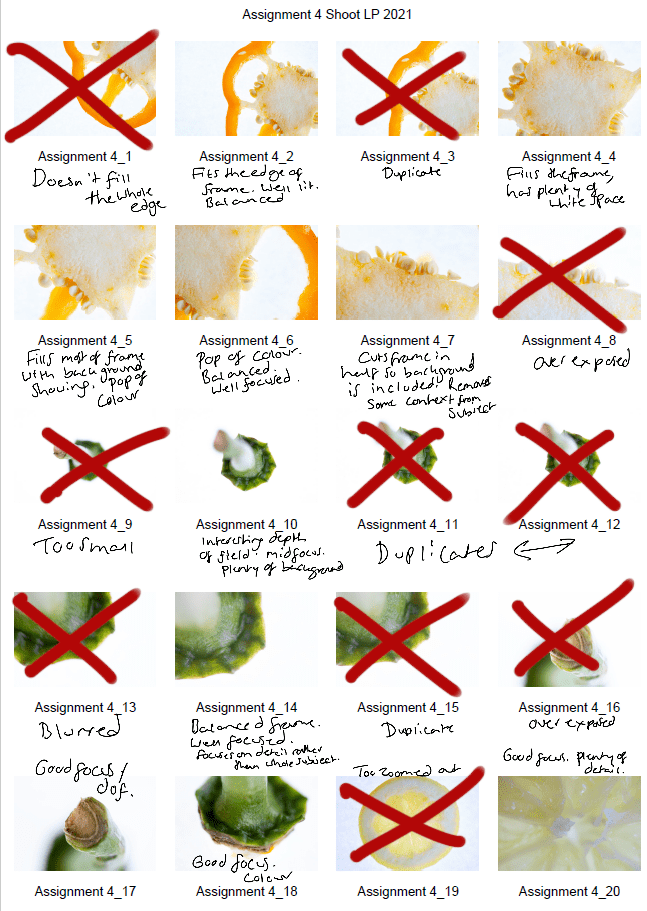
Figure. 2 Powell, L (2021) Artificial [Ballpoint pen on paper] In possession of: Lauren Powell: Eastleigh.
Exercise 4.4 – Personal Voice

Online Research, Part 4, Practitioner Research, Reflection on coursework, Thoughts & Ideas

In this post I have:

– Provided the brief for this exercise,
– As well as writing a short research point about Ernst Haas and his photograph Geranium, USA 1961.
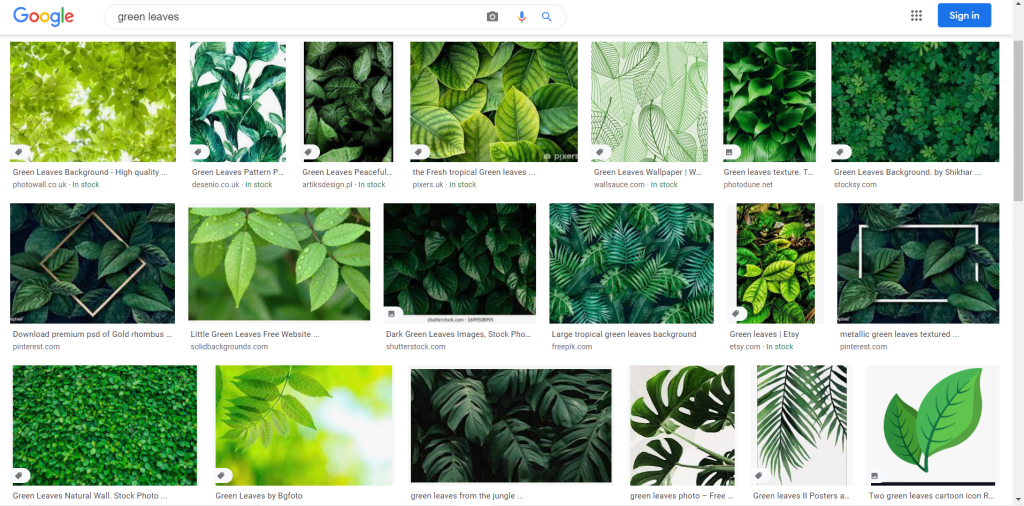
– Inserted a screenshot from google, having searched “Green leaves” as my subject,
– Before explaining my shoot plan in brief, along with camera settings.
– My contact sheets for this exercise are attached to show a variety of shots,
– But only one final image was chosen and analysed in further detail.
– A short reflection at the end explains how this exercise has confirmed to me that each image is different and unique, regardless of subject.

Brief

Make a Google Images search for ‘landscape’, ‘portrait’, or any ordinary subject such as ‘apple’
or ‘sunset’. Add a screengrab of a representative page to your learning log and note down
the similarities you find between the images.
Now take a number of your own photographs of the same subject, paying special attention
to the ‘Creativity’ criteria at the end of Part One. You might like to make the subject appear
‘incidental’, for instance by using focus or framing. Or you might begin with the observation
of Ernst Haas, or the ‘camera vision’ of Bill Brandt. Or if you’re feeling bold you might forget
about your camera completely and think about the tricky question of originality in a
different way – http://penelopeumbrico.net/index.php/project/suns/
Add a final image to your learning log, together with a selection of preparatory shots. In
your notes describe how your photograph or representation differs from your Google
Images source images of the same subject
‘ (Bloomfield, 2018:96).

Research:

Ernst Haas (1921 – 1986)

Ernst Haas was a well known European photographer, born in Vienna, Austria; mostly celebrated for his involvement in colour photography and his work documenting the Austrian prisoners of war returning home. Haas moved to the United States in his 30’s where he began exploring Kodachrome Colour Film, in turn, making him one of the first to have a colour photo feature in LIFE magazine (Ernst Haas Estate, 2018). A few years later, his work was exhibited in New York’s MoMA and again was one of the first colour photography exhibitions.

The Ernst Haas Estate website has a wide range of Haas’ photographic works from across the years, exploring both his B&W pieces, portraiture, coloured compositions using multiple techniques and subjects such as flora, rubbish, people and architectural elements. 

Haas’ New Color Collection: Creation (1959-85) is more neutral in its colour palette, enhancing the earthy colours within the earth’s desert locations and the animals that inhabit them, whereas his Classic Color Collection: Creation (1960-81) is vibrant, full of flora, snow and water. Geranium, USA 1961 (see fig.1) is one of my favourites from the Classic Color Creation collection, as the use of what seems to be a macro lens, captures the minute vein details within the flower petals, the ‘hairs’ of the stamen as it’s surrounded by a warm yellow glow in amongst a sea of pinks.

Shallow depth of field allows the subject that isn’t in the frame to be out of focus and soft, in this case, enhancing the delicate nature of the flower petals and how silky they feel to the touch. Haas captures his subjects in a more detailed and intimate way, rather than shooting them from a distance to get the whole object in the frame. This helps us understand the beauty of nature much more and gives us the ability to explore what some of us may not have taken the time to examine.

Fig. 1. Geranium, USA (1961)

Shoot plan:

Fig. 2. Green Leaves (2021)

For this exercise, I googled “Green Leaves” (see Fig. 2) to see the variety of images that would come up and how I could explore this subject in my photography. Thankfully there was enough of a range that I could take inspiration and look around my garden to see what I could find in correlation to this search.

My SONY A57 was on manual mode, as was the Sony DT 50mm F1.8 SAM lens, this was so I could have more control over the focus and shutter speed for the exposure. The ISO was at 100, while the aperture was set to f/1.8 to achieve a shallow depth of field when capturing the leaves in a group or in front of other objects. The exercise was quick and easy as it took place in my garden, but despite the ease it beneficial as well as successful.


Contact Sheet:

Fig. 3. Contact sheet (2021)

Final image for analysis:

Fig. 4. 4.4 8 (2021)

By observing and looking further into the subject at hand (see fig. 2), I was able to capture the fine, wrinkled veins of the leaves through the shallow depth of field in the foreground. They look similar to the wrinkles we find on the palm of our hands, which go in all sorts of directions, are different depths and shapes. The natural light bounces off of the leaves from the left, giving texture to the image and helping the viewer understand that this is a smooth and shiny leaf, as opposed to a rough, matte leaf. The focal point being in the midframe pushes the eyes to be drawn into the image, rather than the subject being in the foreground and giving the audience a direct path to reach. It’s more like rummaging through the leaves yourself via a photograph, which is a fun concept to me. Shooting this in landscape was a reference to the majority of the images found via google, however, the differences between this composition and the ones in the screenshot make it my own. 

None of the images in the screengrab includes the focal point being midframe or behind a group of other leaves, creating a ‘blockage’ in the foreground. The use of shallow depth of field is used, but the subjects are directly in the foreground, creating a blurred background instead. Most of the green leaf shots seen above are darker and more tropical, whereas the exposure for mine is light, airy and a more typical form of leaf you would find in the garden. Lighting in the google searches is usually either coming from behind the leaves or lit from above minus a few exceptions in the middle row. The final image I have chosen feels like an adventure that you feel involved in, to understand the details, whereas the photographs above provide a clear frame of leaves, in focus, detailed and pretty direct.

Reflection:

While images may be the same in terms of subject matter, orientation or colour, it depends on how it is captured that makes the difference. For example, Ernst Haas’ choice to shoot images of flora up close and personal, allows the viewer to understand the parts that make up a flower, rather than the subject as a whole. 

Taking the time to observe, explore and look at what you are capturing, brings a whole new depth into the photograph as you connect with it more, you’ve planned it and taken the time to understand the composition more. Every image is unique, no matter whether it’s framed the same way or not, they are taken at different times, by different people, with a variety of equipment, weather changes, life circumstances and so much more. Sometimes you may not even intend to shoot a particular subject, but it makes its way into the frame anyway which is wonderful.

Each photograph is always different and personal to each individual, no matter how many times it’s documented.


References:

Bloomfield, R., 2018. Photography 1: Expressing your Vision. 4th ed. [pdf] Barnsley: OCA, p. 96. Available at: https://www.oca-student.com/course/photography-1-expressing-your-vision [Accessed 10 May 2021].

Ernst Haas Estate. (2018) Biography | Ernst Haas [online] Available at: http://ernst-haas.com/biography/ (Accessed 10 May 2021).

List of images:

Figure. 1. Haas, E. (1961) Geranium, USA 1961 [image] Available at: http://ernst-haas.com/classic-color-creation/ (Accessed 10 May 2021).

Figure. 2. Powell, L. (2021) Green leaves [Google, screenshot] In possession of: Lauren Powell: Eastleigh.
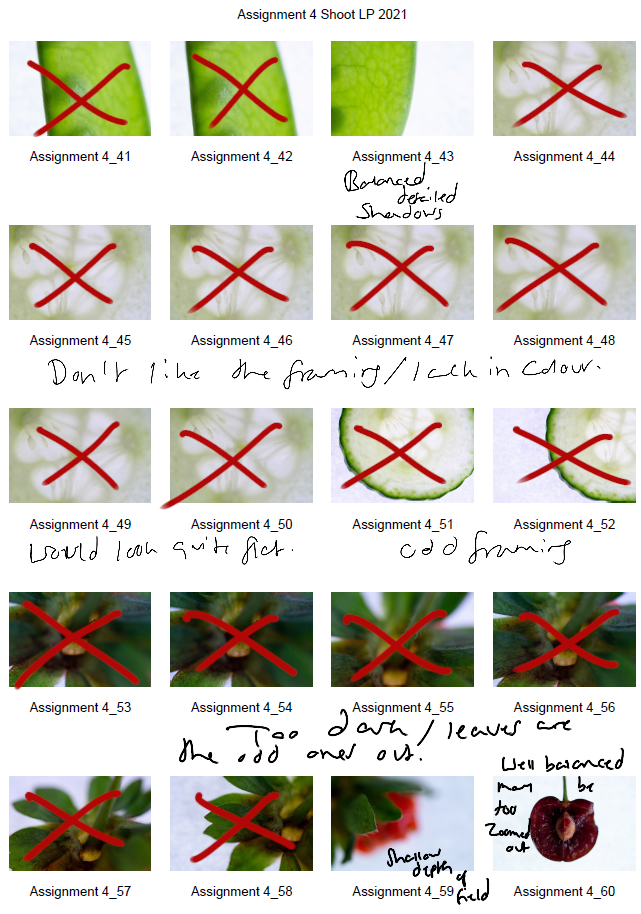
Figure. 3. Powell, L. (2021) Contact sheet [pdf, screenshot] In possession of: Lauren Powell: Eastleigh.
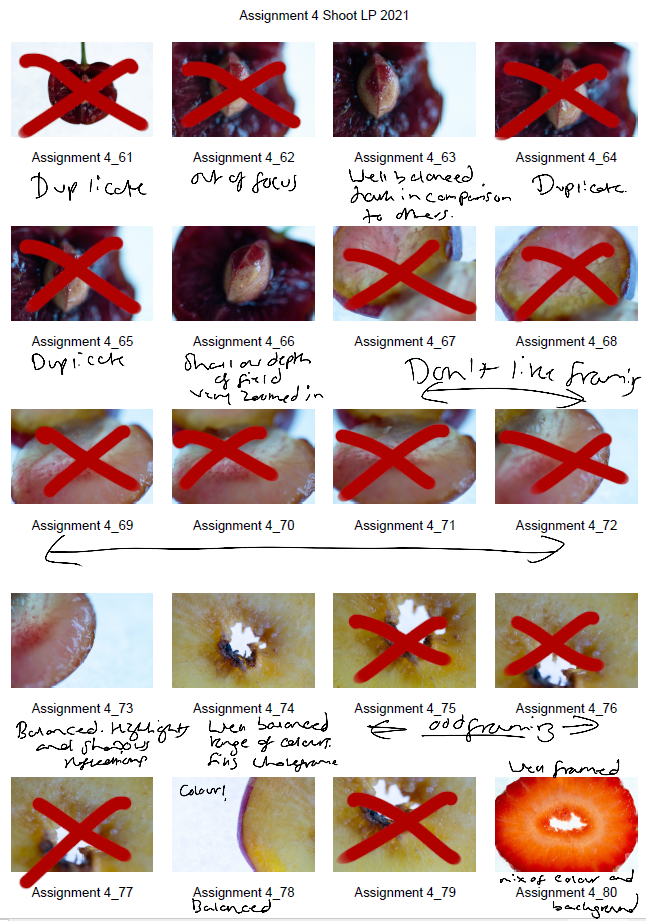
Figure. 4. Powell, L. (2021) 4.4 8 [image] In possession of: Lauren Powell: Eastleigh.
Exercise 4.3 – Ex Nihilo

Notes, Part 4, Reflection on coursework

In this post I;

– Provided short descriptions for Quality, Contrast, Colour and Direction.

– Described my shoot set up, with camera details,

– And provided the contact sheets for this exercise.

– Chose six final images to analyse briefly,

– Before reflecting on this exercise, what it taught me and what I could’ve explored more.

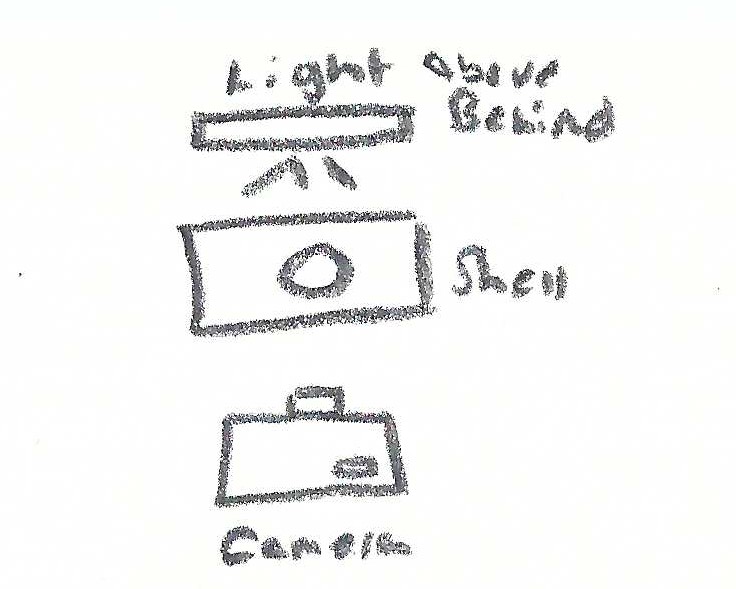
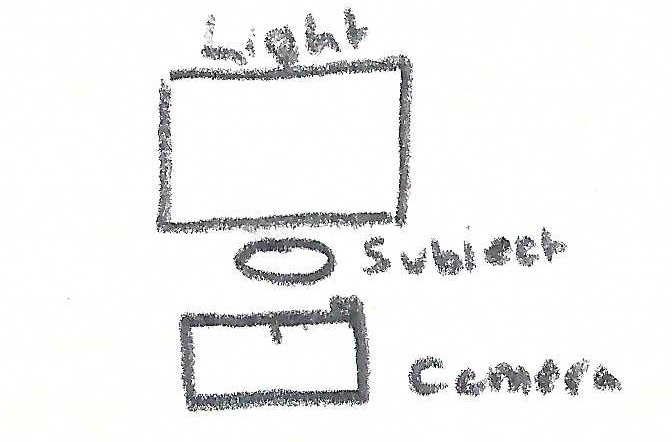
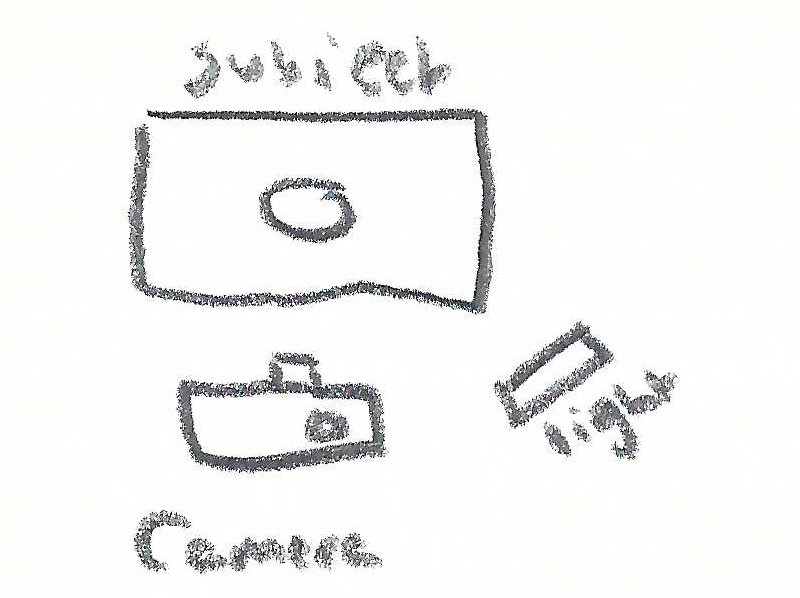
‘Use a combination of quality, contrast, direction and colour to light an object in order to reveal its form. For this exercise, we recommend that you choose a natural or organic object such as an egg or stone rather than a man-made object. Man-made or cultural artefacts can be fascinating to light but they’re already authored to some degree, which requires interpretation by the photographer; this exercise is just about controlling the light to reveal form. Add the sequence to your learning log. Draw a simple lighting diagram for each of your shots showing the position of the camera, the subject and the direction of the key light and fill. Don’t labour the diagrams; quick sketches with notes will be just as useful as perfect graphics‘ (Bloomfield, 2018:91).

Unlike the previous exercises where the light was found, observed and uncontrollable, this exercise explores studio lighting and the photographer’s ability to control the lighting that falls on the subject in the frame.

There is a brief description in the coursebook explaining what quality, contrast, direction and colour is, along with the possible effects on the image and subjects themselves. 

The quality of light is determined by how it looks when it falls, for example, soft shadows are caused by a diffused light, whereas harsher, more defined shadows are due to hard light like direct sunlight at midday. 

Contrast is controllable by a fill light, which can either be another light source or a reflector of some kind like a whiteboard. The ratio between highlights and shadows is measured to determine the contrast ‘if you measure the shadows at f5.6 and the highlights at f8 you have a ratio of 1:2, which means that the fill light is half the intensity of the main light’ (Bloomfield, 2018).

The direction of light can alter an image dependent on the distance and the angle. If the light is placed directly in front, the subject will be significantly flatter than being lit from below or the side. As a result, harsher shadows enhancing the shapes and textures within the frame would occur.

Colour can be significant within photography to give context to the composition or encourage a specific mood and emotion to come through. Lighting filters can cover the lights to colour the background, or ‘by light bounced from a coloured reflector’ (Bloomfield, 2018).

Shoot set up:

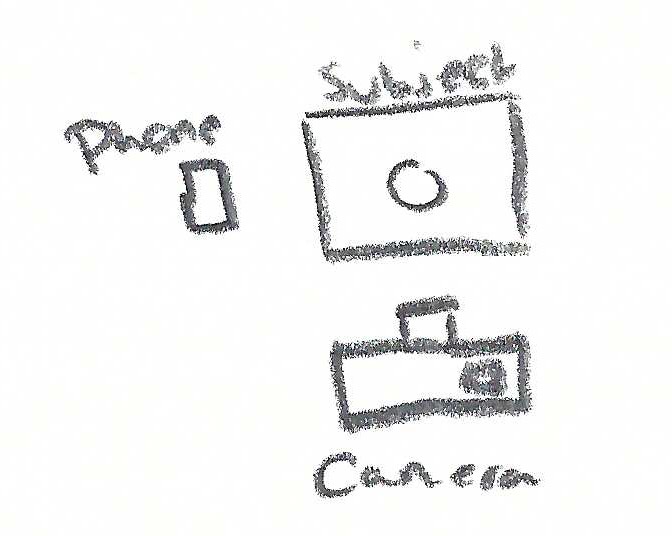
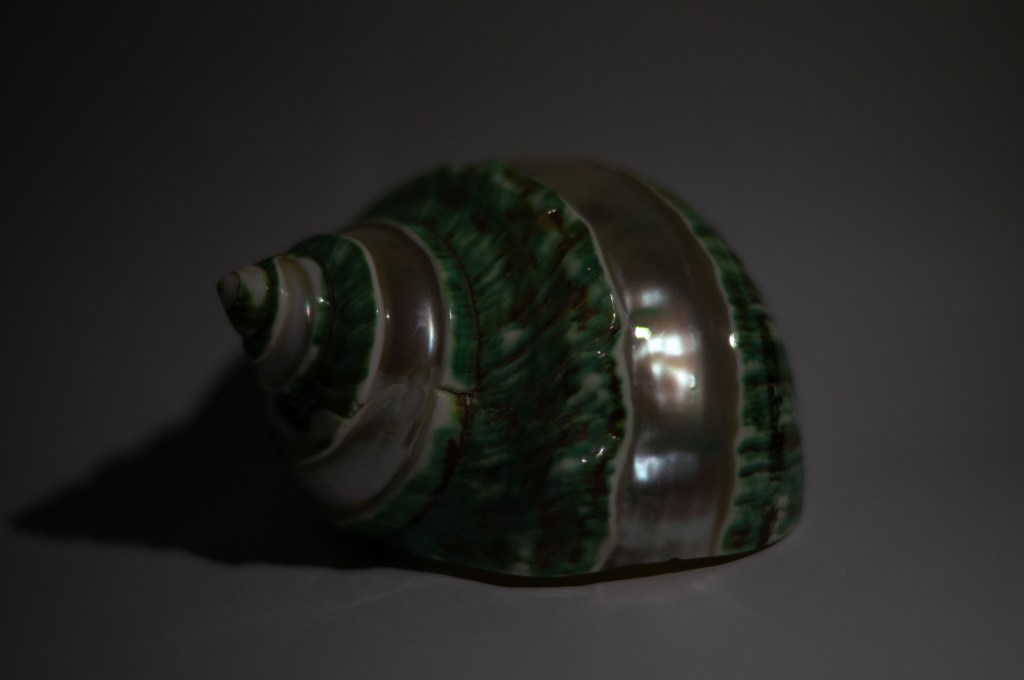
My Sony A57 was on manual mode, with an aperture of f/1.8 and an ISO of 200. The only changes made were the shutter speed and focal length where necessary. The subject sat in the corner of a bedroom to compensate for how small my LED light is, ultimately a wise choice as the shadows became very soft when pulled away from the corner. A sheet of A4 paper was on a small cardboard box to act as a curved background for the shell to sit and reflect the light. I used a small LED lightbox on a tripod as a stabiliser when stood up and a handle when lifting the light from the floor. During the second part of the shoot, I used the light from my iPhone 6 to see the effects a tiny, duller light would have on the shell.

Contact Sheets:


Images for analysis:

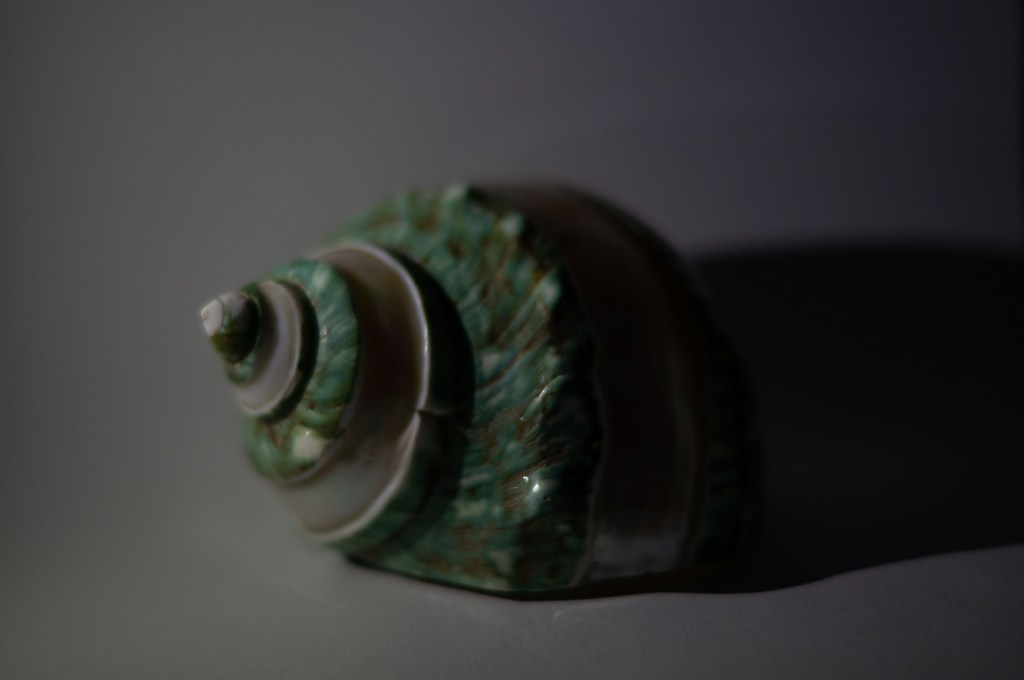
1- The LED box placed close to the side of the shell resulted in a softer diffused shadow, which follows the curve of the paper. Due to the intensity of the light, there are bright highlighted patches by the point of the shell, enhancing the shiny reflecting surface while the shadows fill in the grooves and curves. A very subtle yellow colour can be seen underneath the shadow, a reflection of the light entering and bouncing off of the inside of the shell, providing a bit of warmth to the aqua greens.

2- I lifted the LED light above and behind the shell to see what results I would get if it were down-lit, rather than the typical front or side position. The contrast between the highlights and shadows are much more even than the previous shot, without being flat. Lighting the shell from behind defined the textures and shapes within without being too bright or too dark. The image isn’t a flat silhouette due to the height of the light, forming a slightly stronger shadow that provides depth from the front of the shell, indicating the direction of light.

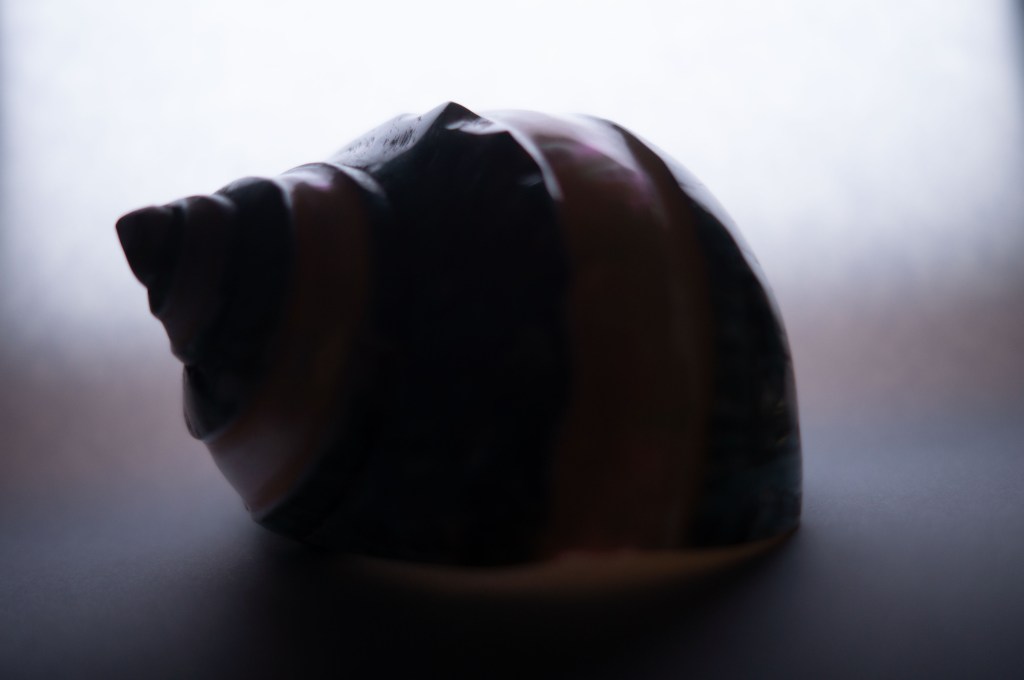
3- A bolder approach was used for this picture by lighting the shell entirely from behind. I covered the LED light with the white sheet of paper and shot the image directly from the front to capture a silhouette of the shell. The shell is not a full silhouette because we can see the grooves and textures of the surface; due to the light falling on top and through the thin walls of its body. The highlights and shadows are still heavily contrasted as the whites are extremely bright, while the blacks are dark, capturing a harsher outline of the subject.

4- The light source for the following images is from an iPhone 6, which is less intense and much smaller than the LED box. Compared to image 1, this light is a lot duller, while the shadows are harsher due to the size and proximity to the subject. The swirls within the shell are heavily defined in this shot due to the darker nature of these images.

5- Lighting from a front angle has allowed the highlights to reflect off its shiny surface and show off the pearlescent colours of the body. Meanwhile, the shadows are enhancing the natural swirls within the point of the shell and defining the sharpness of the point via a hard shadow to the left of the paper. Despite the light being slightly further away from the shell, the tones and overall balance of the image if fairly similar to the 4th image.

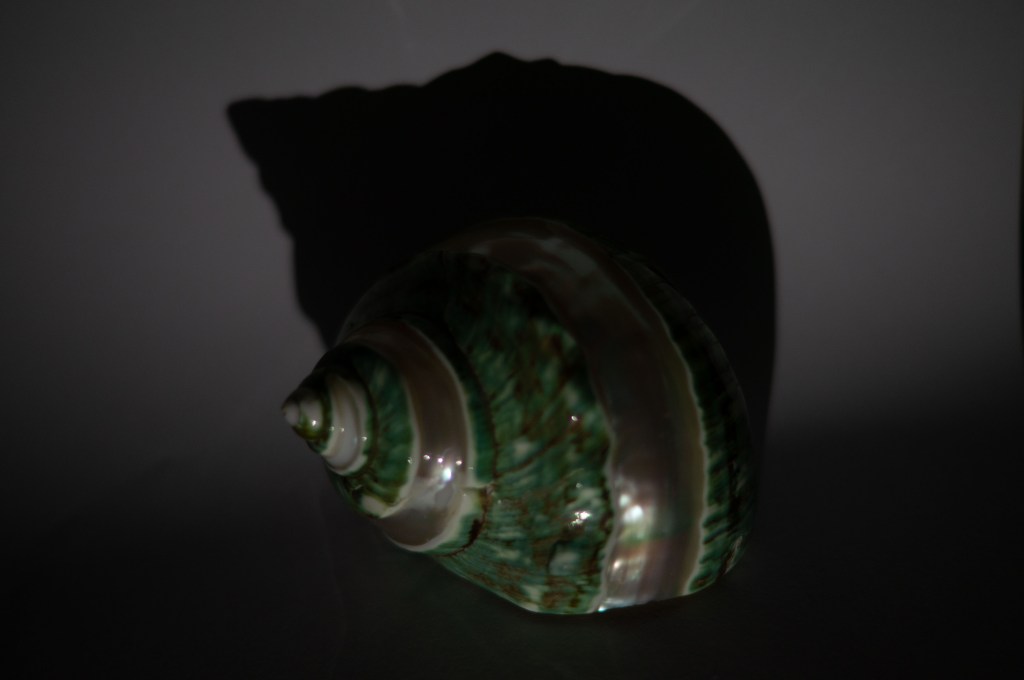
6- For the final image, I lit the image from the front but shot from an angle above the shell, capturing the shadow that fell behind it. The front of the shell is evenly lit, reflecting off of the body as the light hits it, while the back half of the shell is dark and less defined due to the lack of light. Despite the white sheet of paper, the light wasn’t strong enough to act as a fill light. Shooting from above allows us to see the intense, dark and extended shadow, rather than a tiny shadow at the bottom if we were to place the camera directly in front of the shell.

Reflection:

Studio lighting can dramatically change the result of composition. Having complete control over the distance of the light to the subject, the angle, the temperature or the colour of the light can decide how contrasted or defined the image is. Lighting a person or object from the front and having the camera at the same position would result in a flatter image with few shadows to help with definition. Lighting from the side or at an angle and shooting from the front allows for more textural details to be shown and brings more depth to the shot. Backlighting on a small scale was quite challenging as the light didn’t fill the paper, but I could’ve taken more time to frame the image a little closer in. 

I didn’t explore contrast and metering much in this exercise, however, it’s helped me understand how balancing highlights and shadows, or doing the complete opposite by pushing one or the other to the extreme can help change the mood or finish of the piece.

References:

Bloomfield, R., 2018. Photography 1: Expressing your Vision. 4th ed. [pdf] Barnsley: OCA, pp. 90, 91. Available at: https://www.oca-student.com/course/photography-1-expressing-your-vision [Accessed 7 May 2021].

List of images:

Figure. 1. Powell, L. (2021) Contact sheet 1 [pdf, screenshot] In possession of: Lauren Powell: Eastleigh.
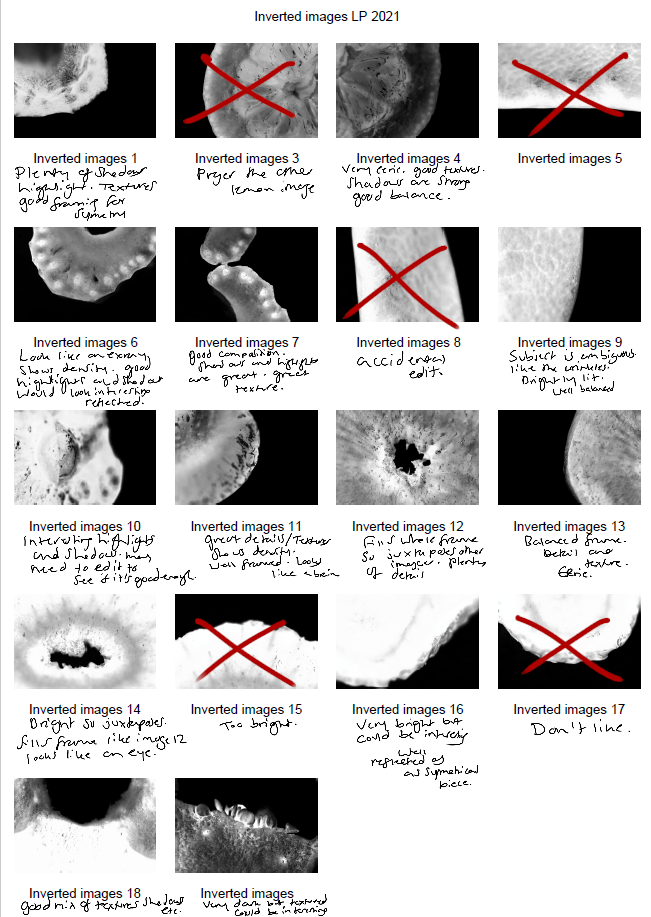
Figure. 2. Powell, L. (2021) Contact sheet 2 [pdf, screenshot] In possession of: Lauren Powell: Eastleigh.
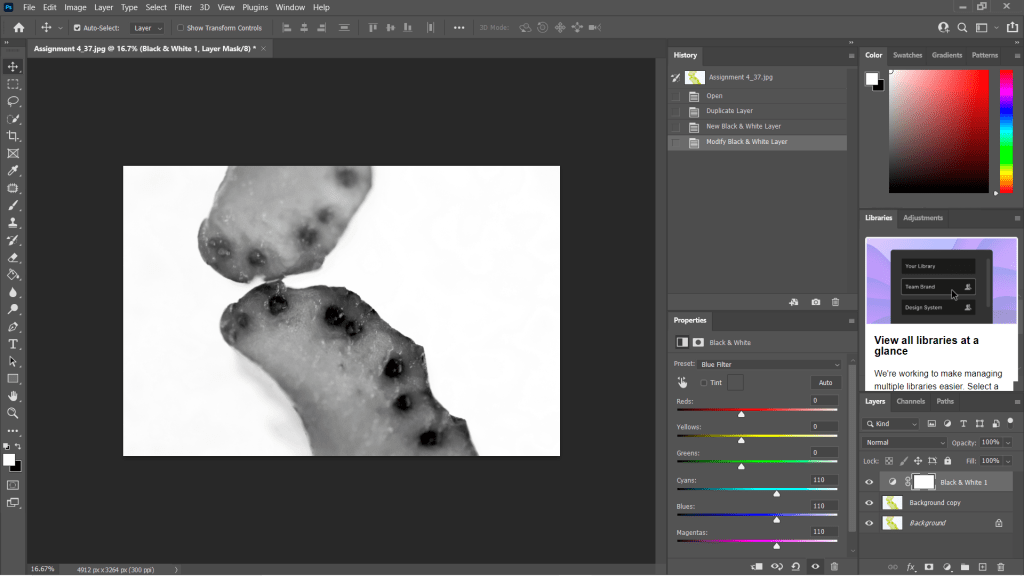
Figure. 3. Powell, L. (2021) Contact sheet 3 [pdf, screenshot] In possession of: Lauren Powell: Eastleigh.
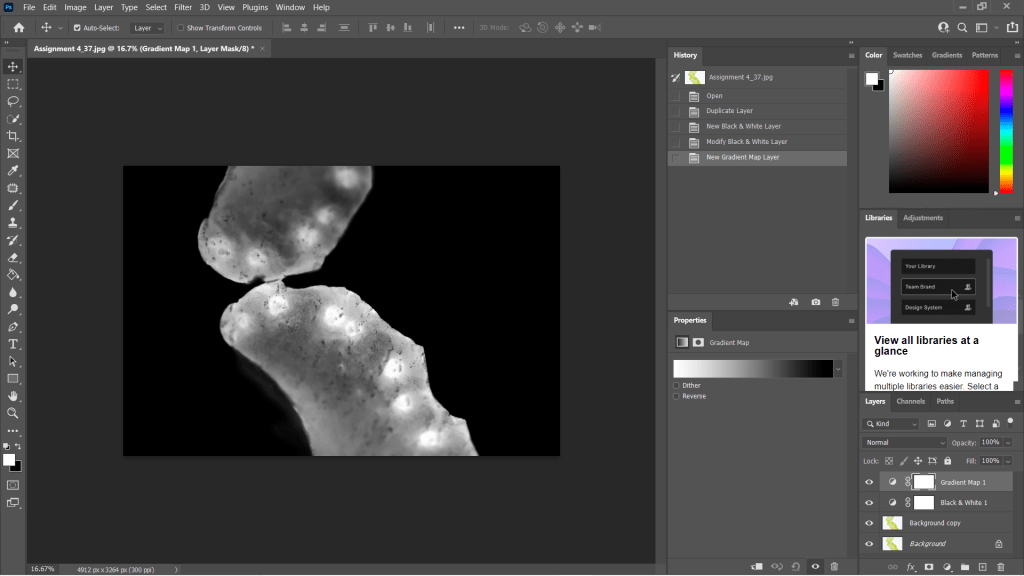
Figure. 4. Powell, L. (2021) 1 [image] In possession of: Lauren Powell: Eastleigh.
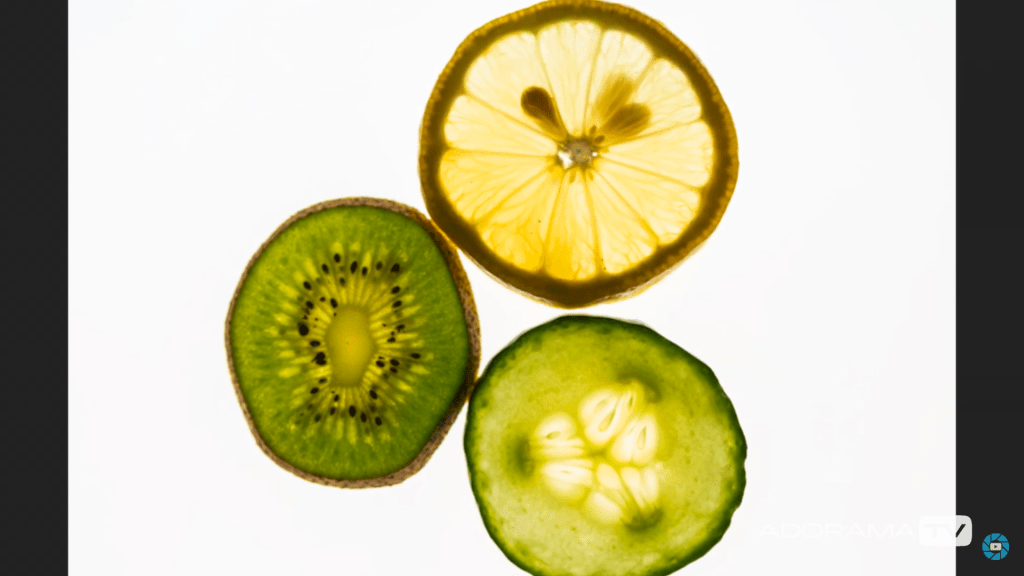
Figure. 5. Powell, L. (2021) Diagram 1 [scanned document] In possession of: Lauren Powell: Eastleigh.
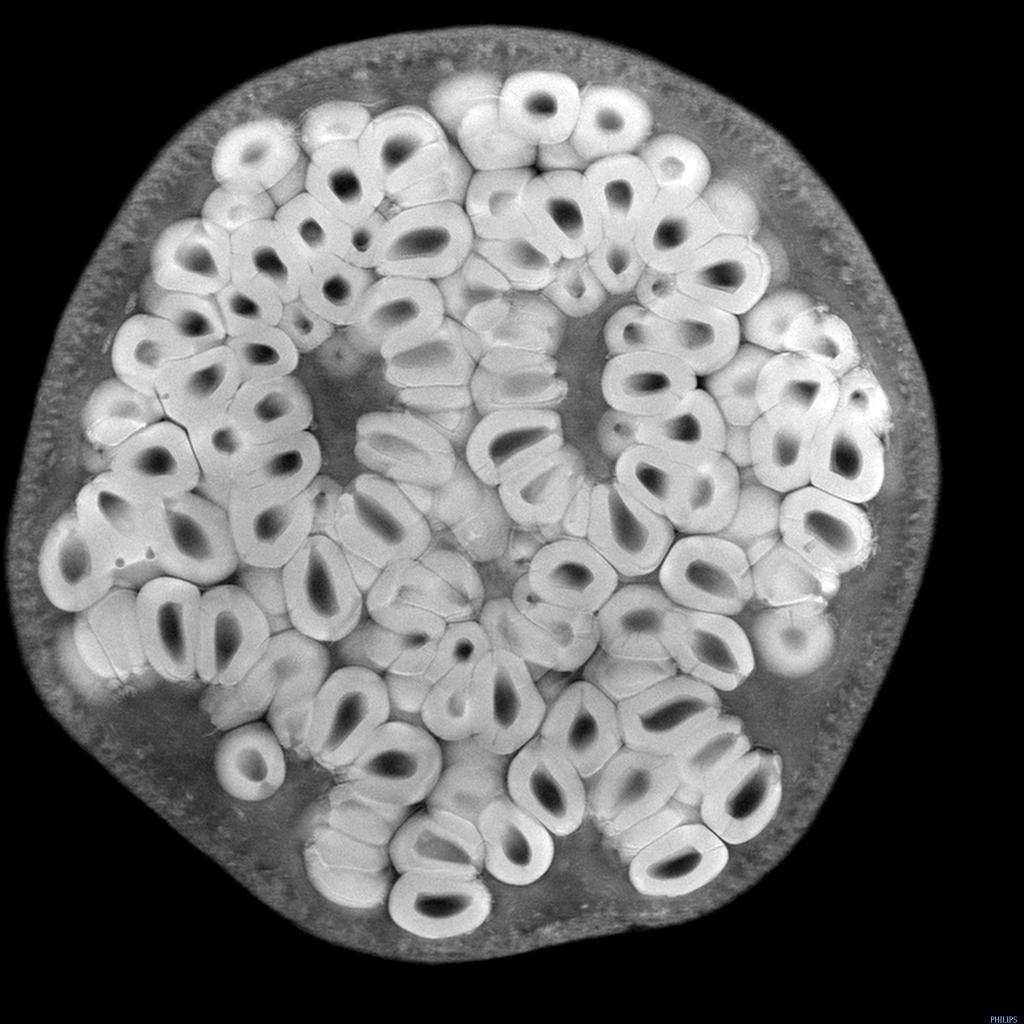
Figure. 6. Powell, L. (2021) 2 [image] In possession of: Lauren Powell: Eastleigh.
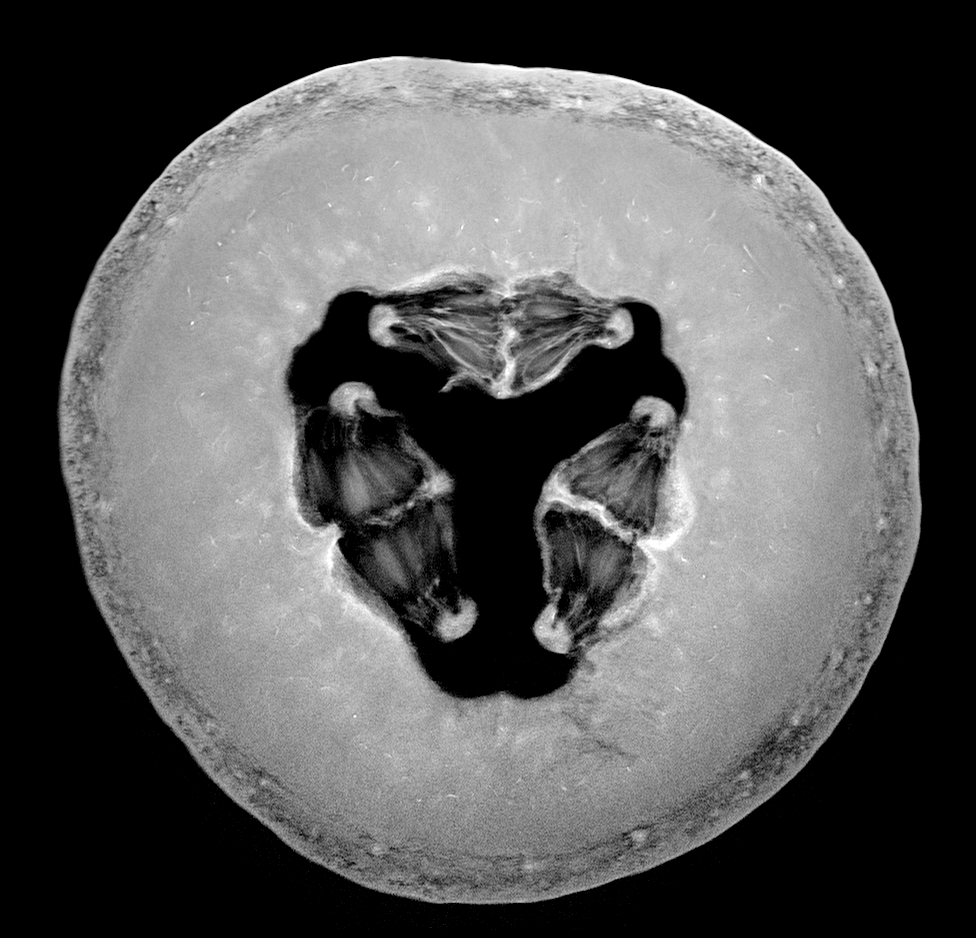
Figure. 7. Powell, L. (2021) Diagram 2 [scanned document] In possession of: Lauren Powell: Eastleigh.
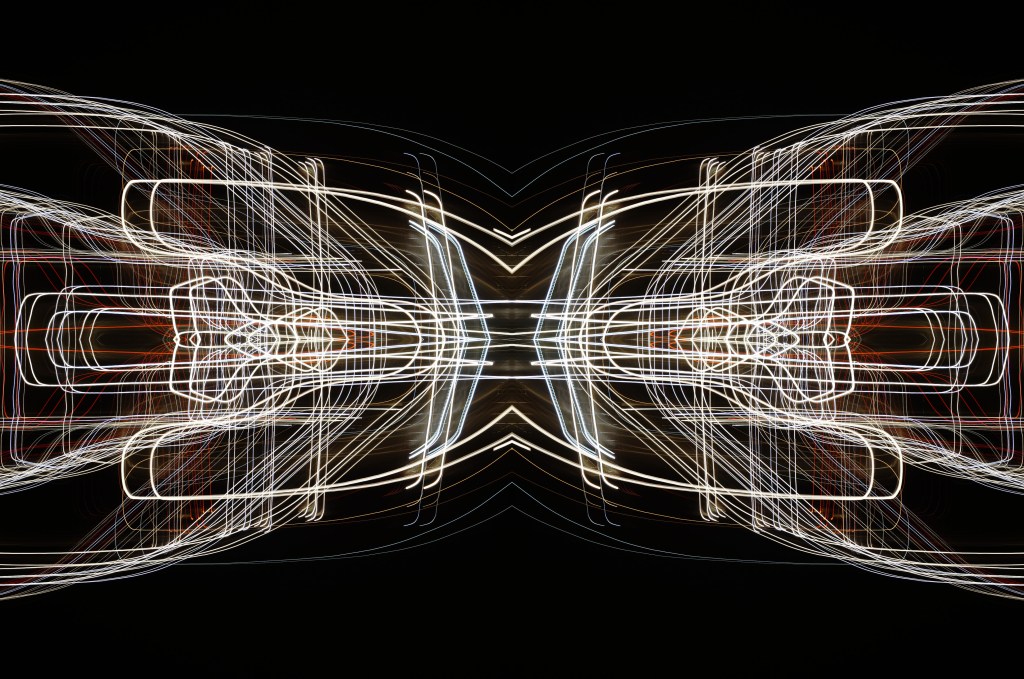
Figure. 8. Powell, L. (2021) 3 [image] In possession of: Lauren Powell: Eastleigh.
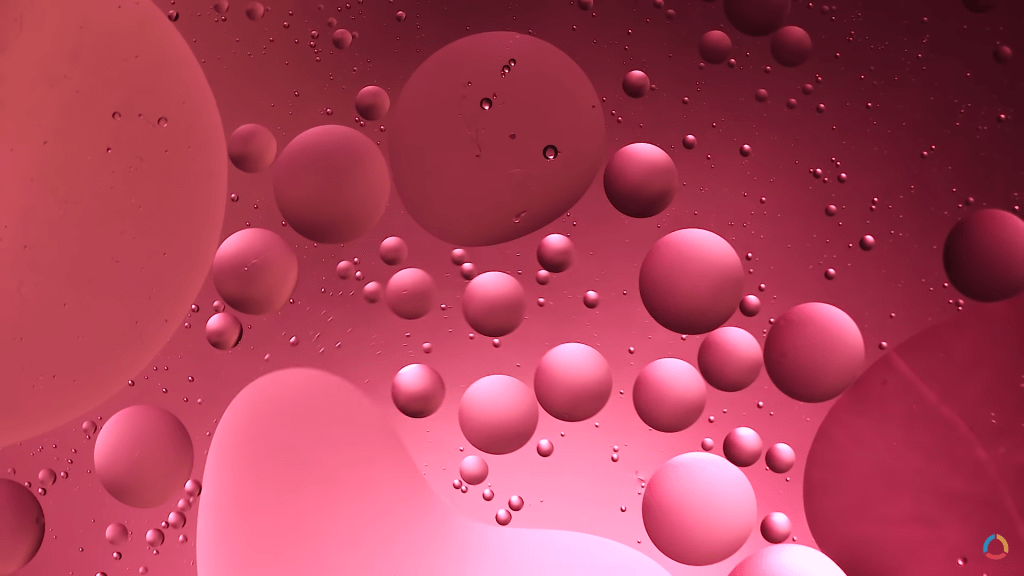
Figure. 9. Powell, L. (2021) Diagram 3 [scanned document] In possession of: Lauren Powell: Eastleigh.

Figure. 10. Powell, L. (2021) 4 [image] In possession of: Lauren Powell: Eastleigh.
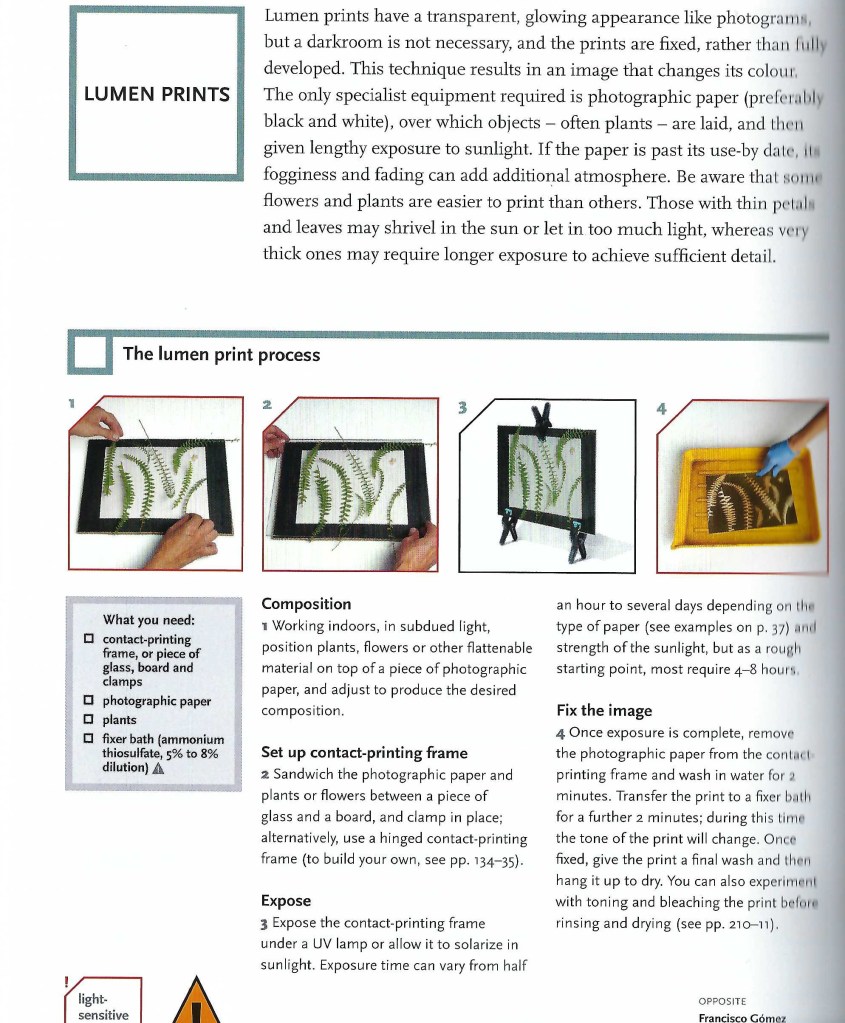
Figure. 11. Powell, L. (2021) Diagram 4 [scanned document] In possession of: Lauren Powell: Eastleigh.
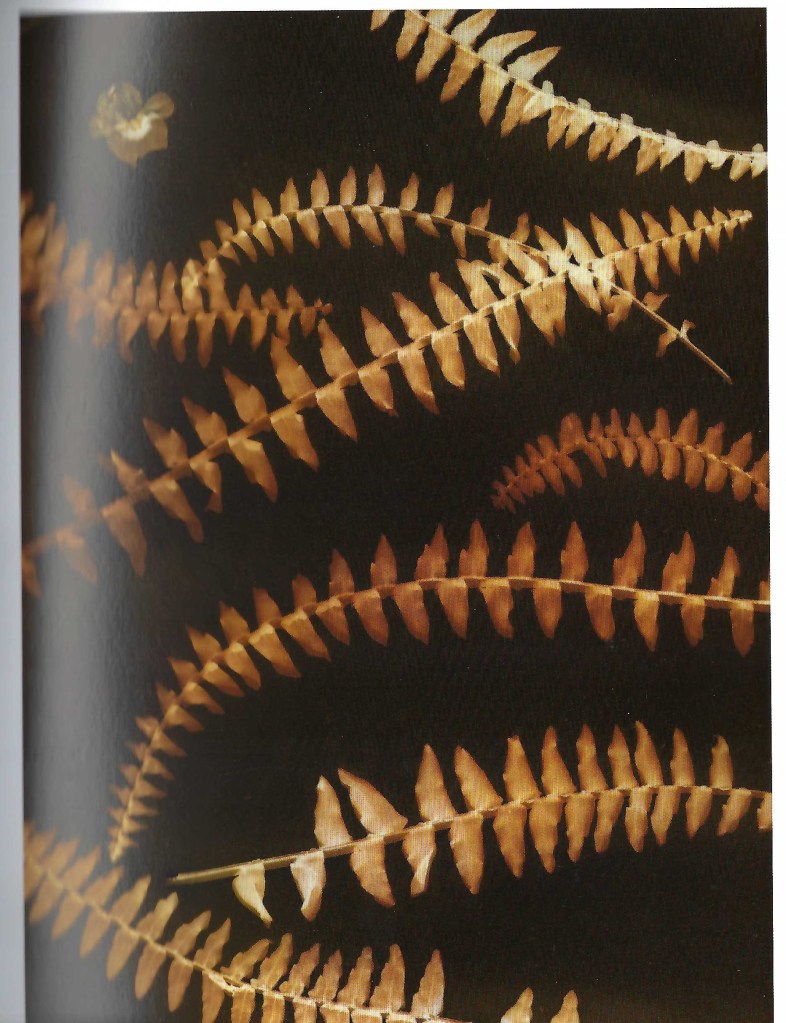
Figure. 12. Powell, L. (2021) 5 [image] In possession of: Lauren Powell: Eastleigh.
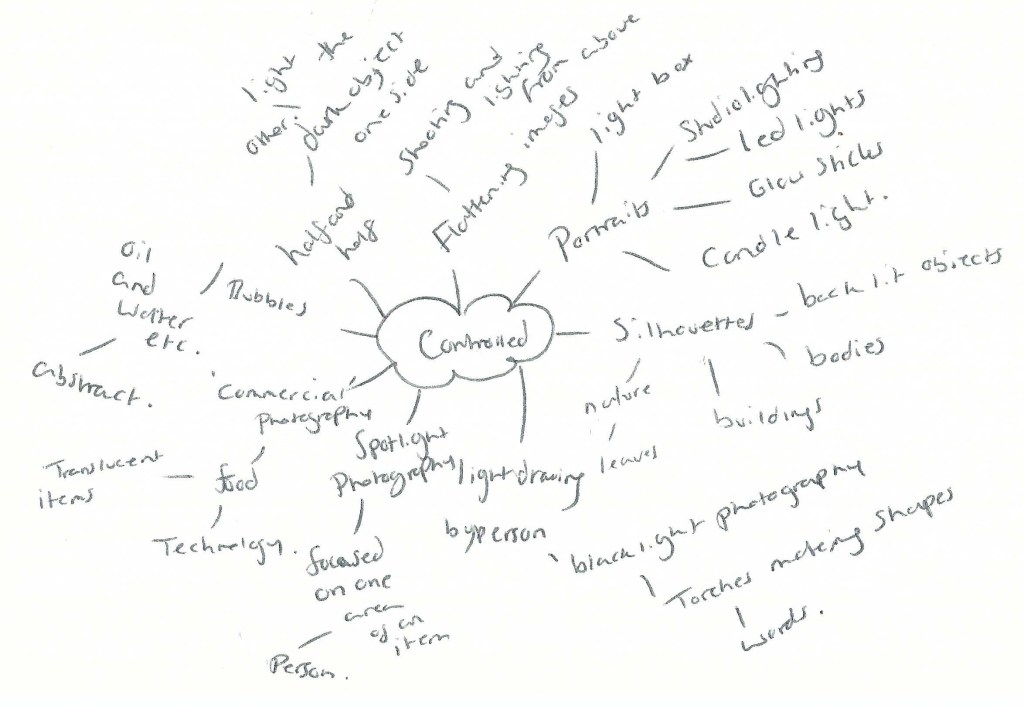
Figure. 13. Powell, L. (2021) Diagram 5 [scanned document] In possession of: Lauren Powell: Eastleigh.
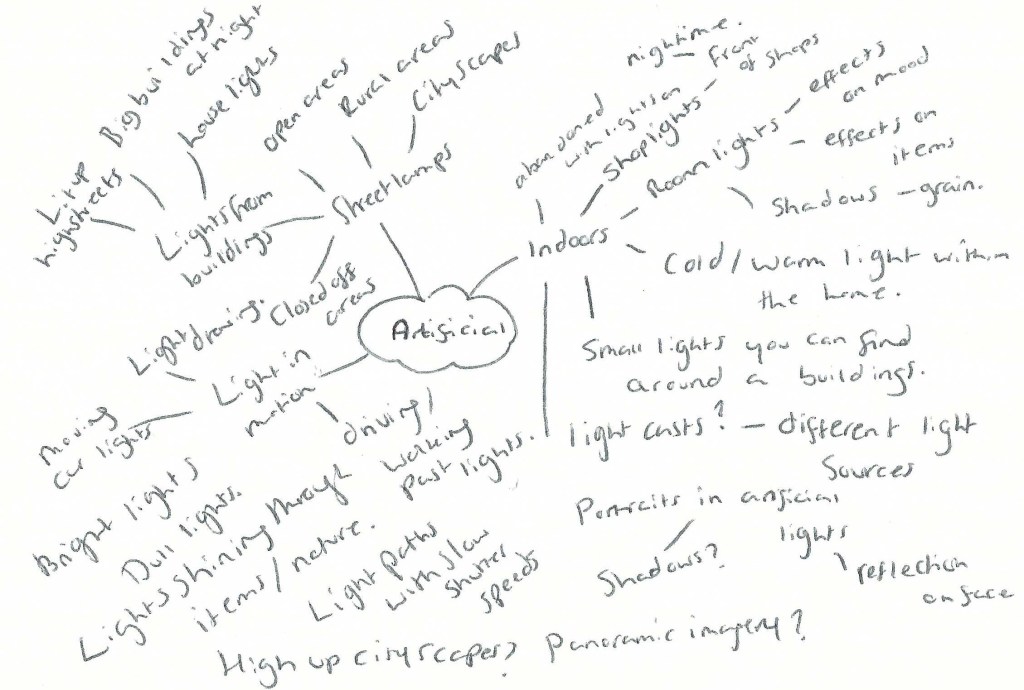
Figure. 14. Powell, L. (2021) 6 [image] In possession of: Lauren Powell: Eastleigh.
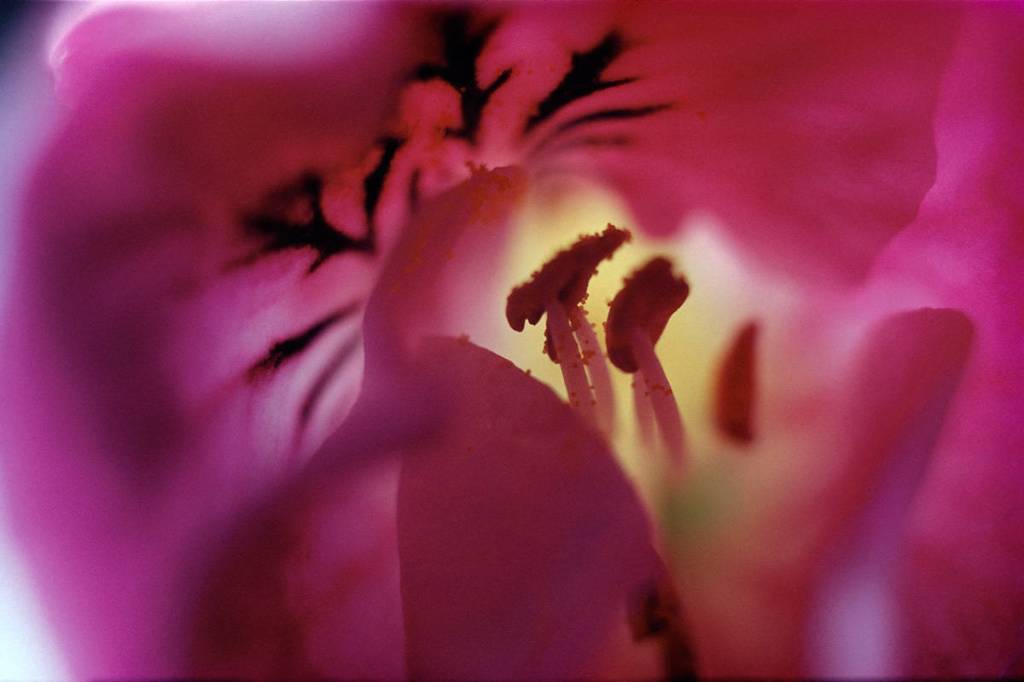
Figure. 15. Powell, L. (2021) Diagram 6 [scanned document] In possession of: Lauren Powell: Eastleigh.


Exercise 4.2 – Artificial Light

Notes, Online Research, Part 4, Reflection on coursework

Summary

In this post I;

– Included the brief for this exercise.

– Researched Sato Shintaro and Rut Blees Luxemberg’s work before analysing one image of theirs very briefly.

– Provided a small description about my camera and shoot preparation

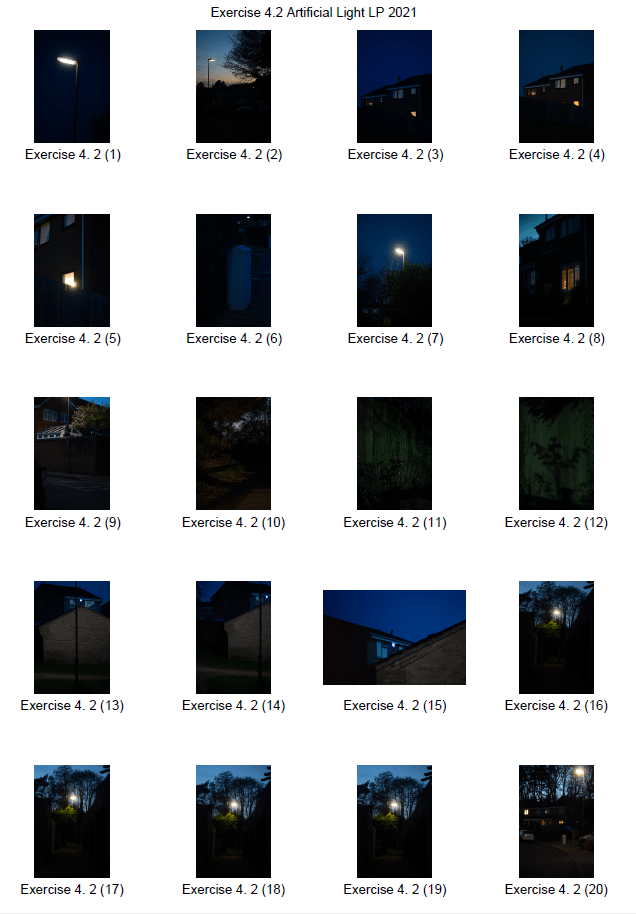
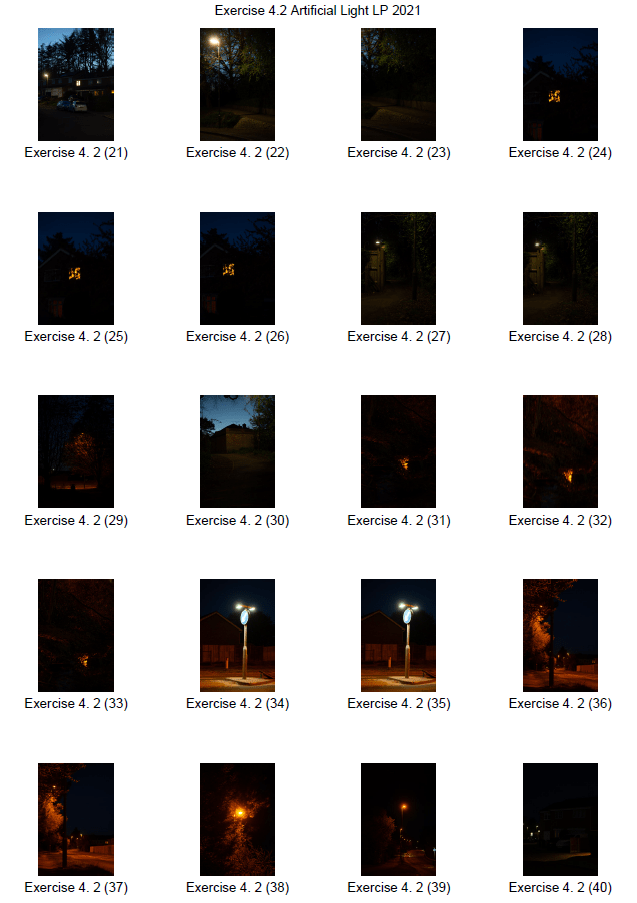
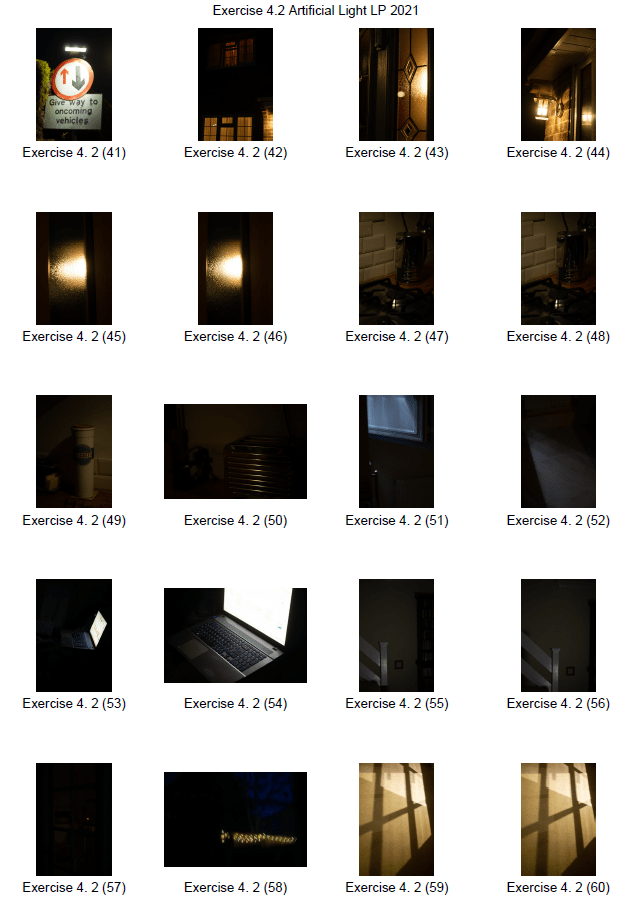
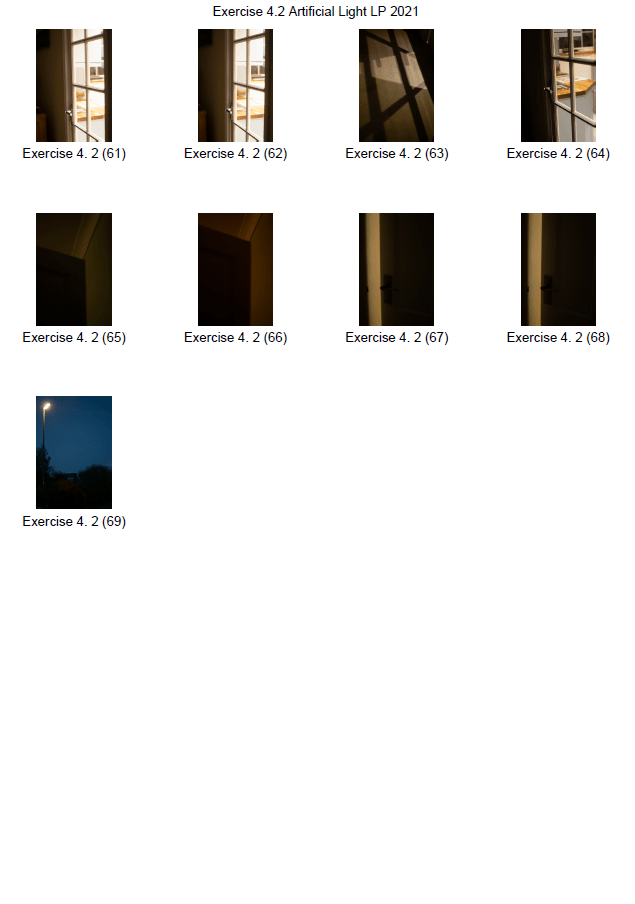
– Before including the contact sheets for this particular exercise.

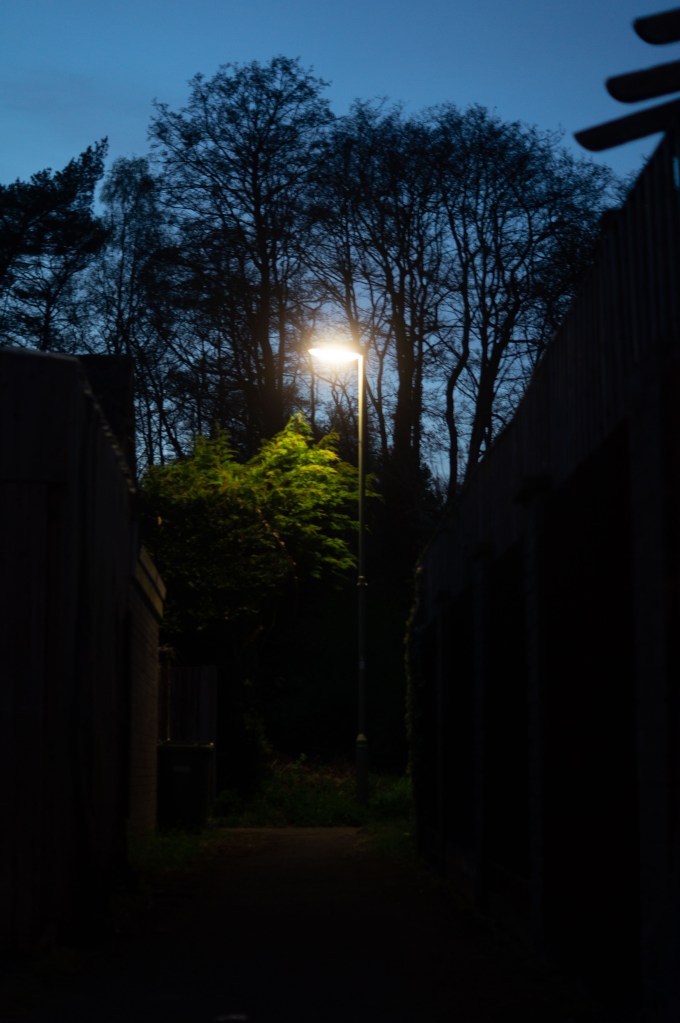
– I then chose 5 images from the shoot and analyses each one in terms of technique and the quality of light within them

– And finished the post with a short reflection of the exercise as a whole.

‘Capture ‘the beauty of artificial light’ in a short sequence of shots (‘beauty’ is, of course, a subjective term). The correct white balance setting will be important; this can get tricky but interesting – if there are mixed light sources of different colour temperatures in the same shot. You can shoot indoors or outside and the light can be ambient or handheld flash‘ (Bloomfield, 2018).

Sato Shintaro – (1969- )

Sato Shintaro is a Japanese freelance photographer who graduated from Tokyo College of Photography (1992) and Waseda University, School of Letters, Arts and Sciences (1995). Shintaro is well known for his brightly lit Tokyo cityscapes, Night Lights (1997-9), one of many photo series (Shintaro, 2020).

Shooting during dusk allows any surroundings lit by artificial light to stand out in ways daylight cannot. The tones are much crisper, while shadows are significantly darker and highlights are glaring. While this is possible with direct sunlight, the colours are usually more washed out and have a greater risk of overexposure, causing the images to blow out. The main difference between day and night photography is that daytime images are usually warmer in temperature and contrast.

Shintaro’s work is well balanced so that the viewer has much to look at in detail. Light bounces off all of the subjects around without becoming a black block due to underexposure. The colours are vibrant, busy and fill the frame, which encapsulates the hustle and bustle of city life without including people in the shots. Asian culture is beautiful and striking; seeing such elements and the traditional decorations throughout these images is delightful.

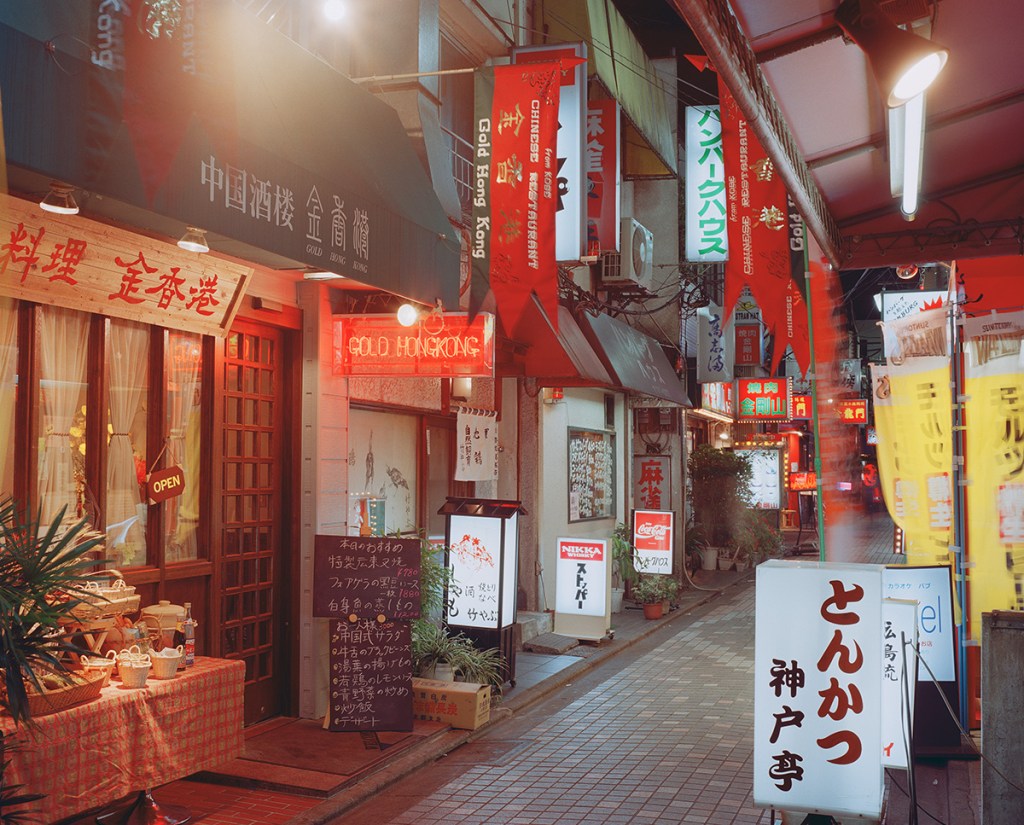
Fig. 1. Nakano, Tokyo (Shintaro, 1997-9)

Nakano (1997-9) is possibly one of my favourite images from Shintaro, as the composition is warm and cosy as the bright yellows and reds help the white lights be less harsh on the eyes. The alleyway feels close, compact and welcoming, much like the restaurant on the left. The photograph is balanced, full of geometry from the rectangular signs and buildings, a mixture of vibrant colours and cool nighttime tones on the pavement below. Some of the bulbs higher up have created lens flares but emit softer rays than crisp glaring ones. In my opinion, this shot represents the many Asian people who welcome others into their culture and communities through their friendly, enthusiastic personalities and traditions. 

Rut Blees Luxemberg (1967 – )

Rut Blees Luxemberg is a German-born photographer based in the UK, well known for her urban photography work (Artimage, 2017). Much like Shintaro, Blees Luxemberg shoots at night when capturing urban landscapes as, ‘The night is a space of freedom, where certain demands of the day are temporarily suspended’ (Blees Luxemberg, 2018). 

The reduction of movement captures different energies in comparison to busy high streets or buildings lit by daylight. Instead, evidence of life features throughout illuminated buildings, lit streets and items/natural elements left behind ‘But photographs are not just a record of a moment passed, they can also be an imagination or visual premonition of possible futures’ (Blees Luxemberg, 2018).

Her aesthetic is consistent throughout the images, ranging from greens to greys to cool hues, warm yellows and oranges. The combination of colours emits an eerie and grungy mood through her works which seems quite fitting for the series titled Liebeslied, My Suicides.

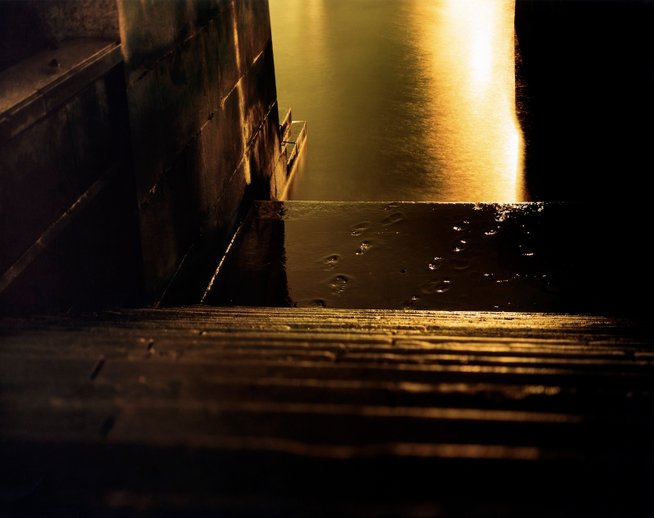
Fig. 2. Nach Innen / In Deeper (Blees Luxemberg, 1999)

In Deeper (1999) was shot from what looks like multiple sets of stairs but could also be a few small steps towards a small platform. We are unaware of the location due to the lack of context within the black shadows of this photograph. Reflections in the frame imply that it has rained or flooded due to the water in the background. The texture is prominent throughout this work, from the stone steps, ageing walls or brickwork from the building on the left, the water and ripples we can see in the yellow light shining in from the right of the frame. Leading lines, a slightly shallow depth of field in the foreground, draw the eyes downstairs towards the lights and water in the background. ‘In Deeper‘ may suggest that this is a picture of a river, sea or flood, purely because of how deep the water looks and how far the reflection of light continues.

Compared to Shintaro, Blees Luxemberg’s work is much warmer in white balance than the white bulbs and LED’s featured in Shintaro’s Night Lights (1997-9). The photographs featured in My Suicides (1997-2000) are much darker and higher in contrast. With these different aesthetics in mind, this helped make my shoot for this exercise even more exciting, as I was able to explore a range of photographic techniques in one swoop.

Camera preparation

As it is now springtime, I had to wait until around half past eight at night to head out and take photographs for this particular exercise. My Sony A57 was already preset to manual mode, but I had to reset the white balance to auto to prevent any unwanted colour casts in the images taken during blue hour. An ISO of 200 enhanced the brightness without causing too much grain in the darkest areas. A large aperture of F1.8, allows for more light to enter the camera, ideal for night photography as it reduces the need for too slow a shutter speed if the camera isn’t on a tripod.

The shoot plan was simple as I took a short walk around my local area, observed the light from artificial light sources and how it shone on its surroundings and effects had on any subjects in the frame.


Images for analysis

1 – Despite taking the image during the blue hour, the period after sunset or just before sunrise, there is very minimal light to illuminate the buildings in the foreground. Secluded areas struggle to be lit during the evening regardless of artificial light due to the obstacles blocking most light sources. If I were to take the image during the day with a more powerful light level, we would see the buildings in their entirety. The sky brings a burst of colour to the composition, emphasising the shape of the buildings in the alleyway. Houses have helped frame the image nicely and document the lack of space that is in the shot. Focal pointwise, the bright white bulb from the streetlamp and the top of the tree leaves towards the background stand out before the eyes are drawn towards the soft spotlight below, lighting the pathway. The mood is mysterious and allows the brain to wonder was is around the corner or where this is. 

2 – This building is in an open space, so the remaining light just after sunset was able to light the brickwork of the flats in the frame, as well as the fencing surrounding it. Added details such as these provide a context of location, type of building, how long it’s been there for; e.g. a partly broken fence implies it’s been up for a long time and endured some wear and tear. Reflections add both texture and depth to the composition, rather than it being a flat 2D image. A warm light source from the window just below the mid-frame brings a sense of home to the photograph and welcomes the viewer into a comforting space. The camera’s position compared to the fence and light source caused a lens flare to occur. As a result, it looks as if there were a torch pointing directly towards us. The tonal range is cold and suits the crisp spring evening while documenting blue hour well. 

3 – With the blue hour long gone, the warmer streetlights can fully light the main road for the cars and pedestrians walking past, as seen in the far background. The white balance was changed to daylight for these shots to enhance the temperature of the bulbs and reflect Blees Luxemberg’s yellow/orange hues. Streetlights may be higher from the ground than most light sources, but they’re powerful enough to light the paths below like daylight would, just a lot softer in appearance. Headlights from cars are blinding for a good reason. Not only do they assist drivers to see where they’re going and if there are any obstacles ahead, but for the safety of other drivers so they’re aware of cars surrounding them. The contrast between the white light patch midframe and the yellow light brings balance to the frame, preventing it from looking like a sepia image, which I dislike as a photographic technique. The images leading lines draw the viewers eyes from the softly lit tree on the left, up and around the curves of the road swallowed by the black night sky. 

4 – For image number 4 the light source comes from the cooker hood that is purposely brighter where the oven hobs are but much softer to the sides. Reflections from the kettle and oven top provide texture and context to the materials and shape of these objects. For example, the curves of the tiles reflect in the round kettle body. A small patch of the wooden worktop has warmed the frame up and made it feel more homely like a cottage kitchen would. Light coming from the left has created a soft shadow on the right-hand side of the frame, gently illuminating the utensils on the wall, making the kettle the main focus of the composition. 

5 – This area has been fully lit by the light from the ceiling, allowing us to see the worktops, cupboards, windows and other items on the side. The door has light shining through, so we can see the cold metal handle and carved details in the window frames, which is a subtle detail to see. More context allows the viewer to understand a bit more about the subjects, where it is and the lifestyle of the people living there, much like Sato Shintaro’s works. Due to the light source coming from the right and straight out the door, means that the walls to the left are just out of range, full of shadows, bringing depth to the image. The composition is full of shapes, geometric or otherwise, as well as being warm and welcoming.

Reflection

Artificial and natural light can range from intense to soft depending on the light source, its position and the location, however, the majority of the images taken during this exercise have been dimly lit, creating softer and mysterious compositions compared to a brightly lit photograph taken in daylight where we have further context. No source of light is more superior to the other, as each is important. Without artificial light, we wouldn’t have the privilege of travelling at night or navigate around our homes in the dark. I prefer to work with natural light as I enjoy the softly lit compositions rather than harsh highlights and shadows from studio lights. This exercise, however, has made me appreciate artificial light much more and the kinds of images you can capture. Sato Shintaro’s work is a prime example of breathtakingly beautiful night photographs, full of life and detail.

References:

Blees Luxemberg, R. (2018) London: A visual love song [online] Available at: https://www.1854.photography/2018/02/rut-blees-luxemburg-modern-project-liebeslied/ (Accessed 26 April 2021).

Bloomfield, R., 2018. Photography 1: Expressing your Vision. 4th ed. [pdf] Barnsley: OCA, p. 87. Available at: https://www.oca-student.com/course/photography-1-expressing-your-vision [Accessed 27 April 2021].

Shintaro, Sato. (2020) Profile [online] Available at: https://sato-shintaro.com/profile/ (Accessed 26 April 2021).

List of images:

Figure. 1. Shintaro, S. (1997-9) Nakano, Tokyo [image] Available at: https://sato-shintaro.com/work/night-lights/ (Accessed 26 April, 2021).

Figure. 2. Blees Luxemberg, R. (1999) Nach Innen / In Deeper [image] Available at: https://rutbleesluxemburg.com/liebeslied-2 (Accessed 26 April 2021).

Figure. 3. Powell, L. (2021) Contact sheet 1 [pdf, screenshot] In possession of: Lauren Powell: Eastleigh.
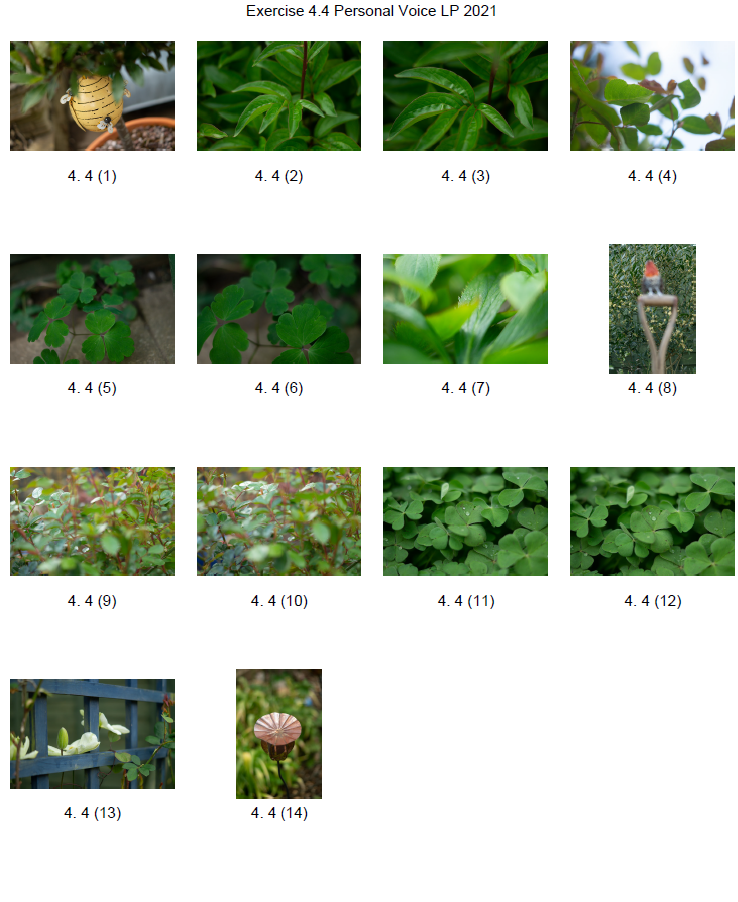
Figure. 4. Powell, L. (2021) Contact sheet 2 [pdf, screenshot] In possession of: Lauren Powell: Eastleigh.
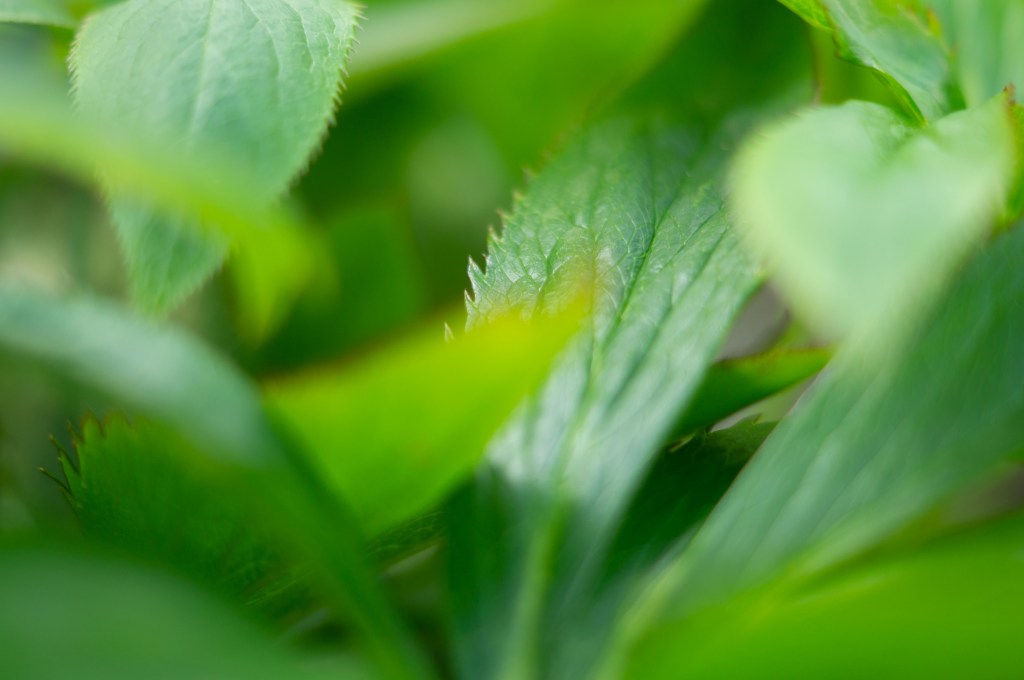
Figure. 5. Powell, L. (2021) Contact sheet 3 [pdf, screenshot] In possession of: Lauren Powell: Eastleigh.
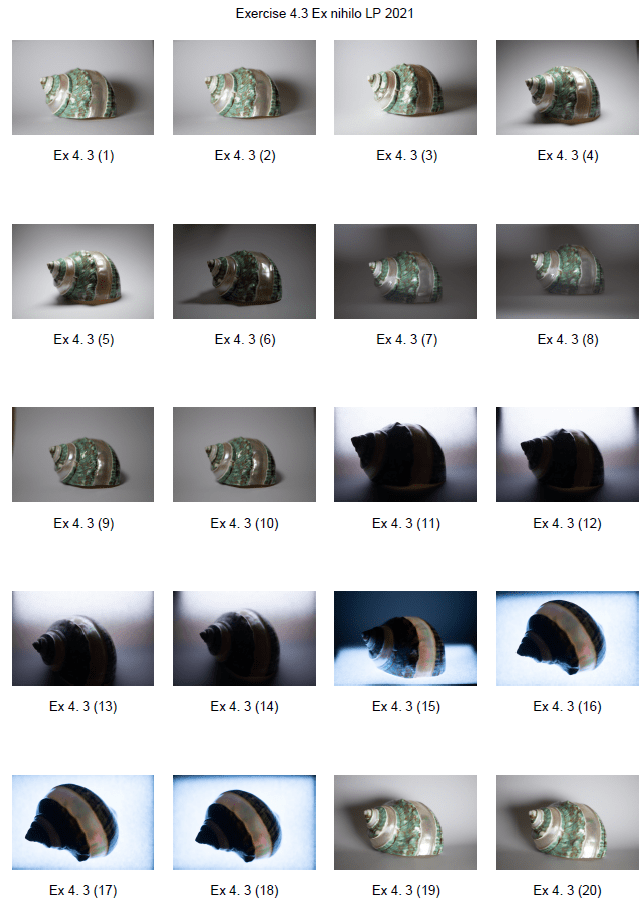
Figure. 6. Powell, L. (2021) Contact sheet 4 [pdf, screenshot] In possession of: Lauren Powell: Eastleigh.
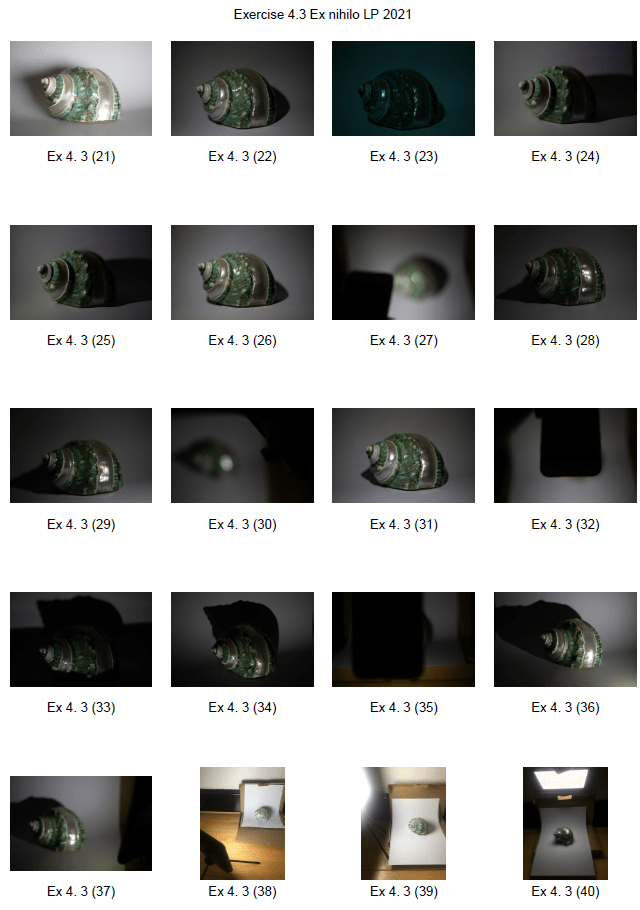
Figure. 7. Powell, L. (2021) 1 [pdf, screenshot] In possession of: Lauren Powell: Eastleigh.
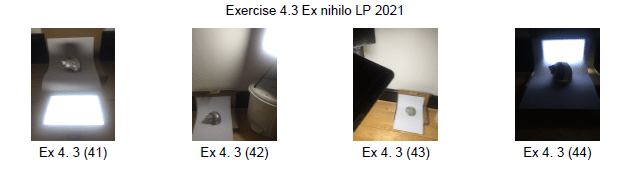
Figure. 8. Powell, L. (2021) 2 [pdf, screenshot] In possession of: Lauren Powell: Eastleigh.
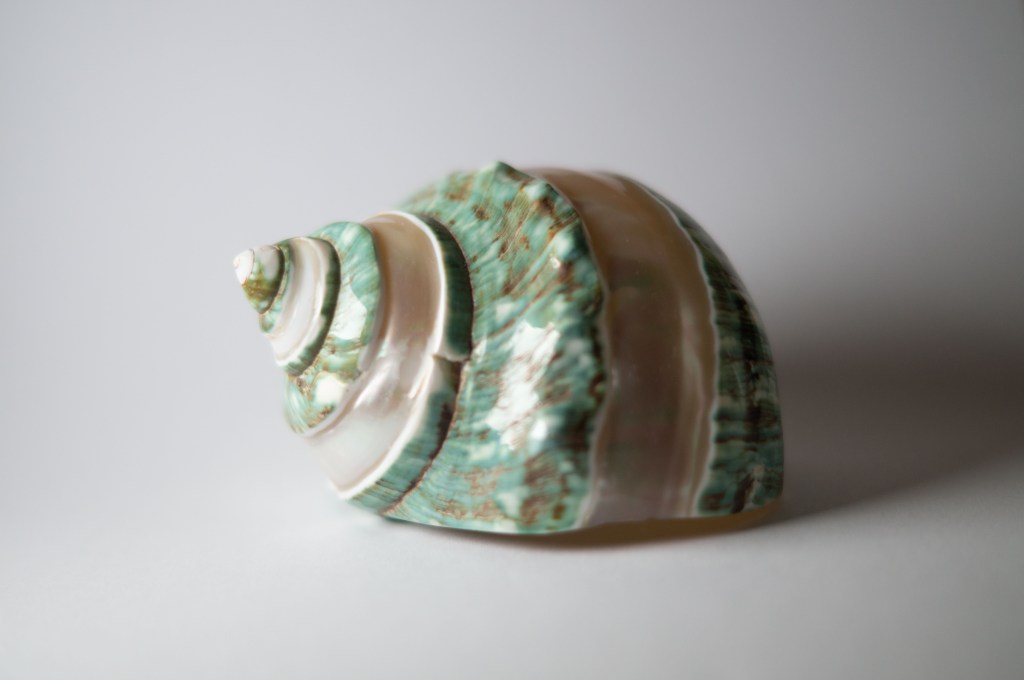
Figure. 9. Powell, L. (2021) 3 [pdf, screenshot] In possession of: Lauren Powell: Eastleigh.
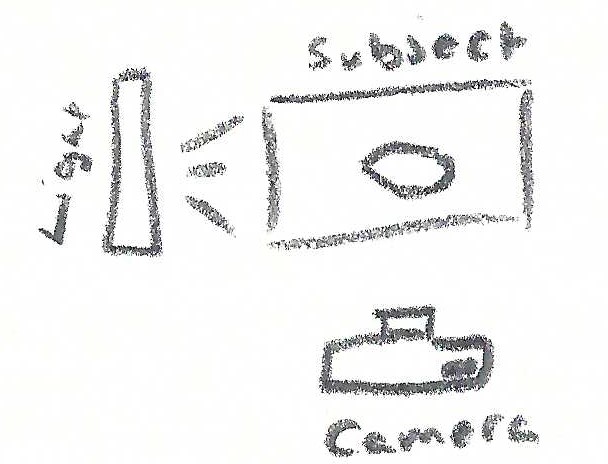
Figure. 10. Powell, L. (2021) 4 [pdf, screenshot] In possession of: Lauren Powell: Eastleigh.
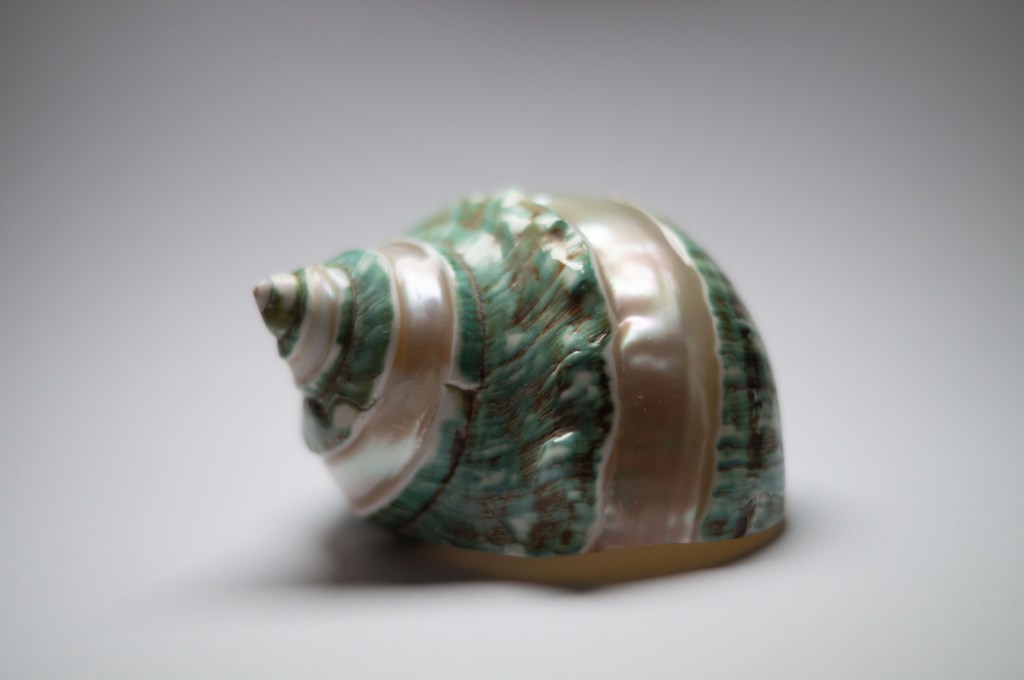
Figure. 11. Powell, L. (2021) 5 [pdf, screenshot] In possession of: Lauren Powell: Eastleigh.