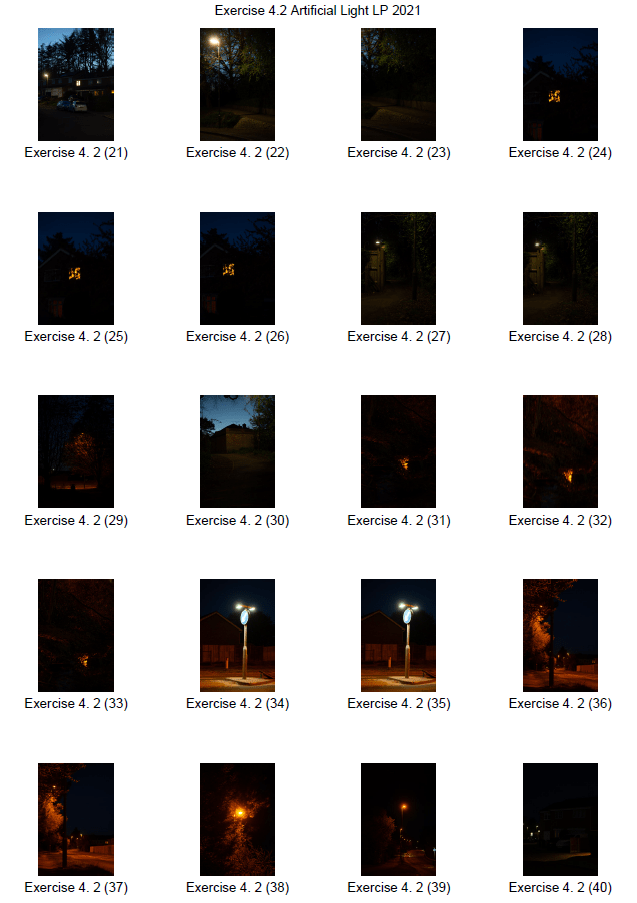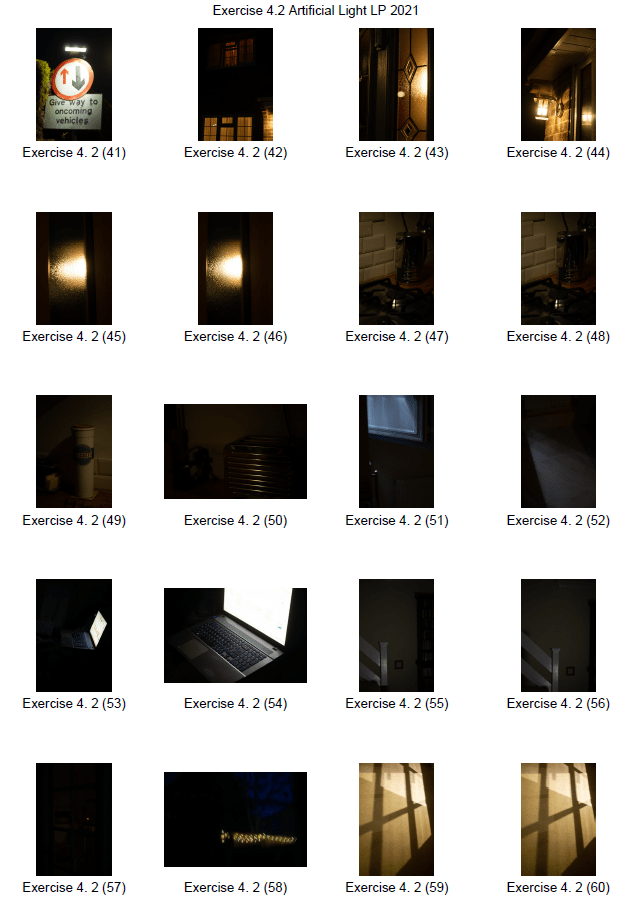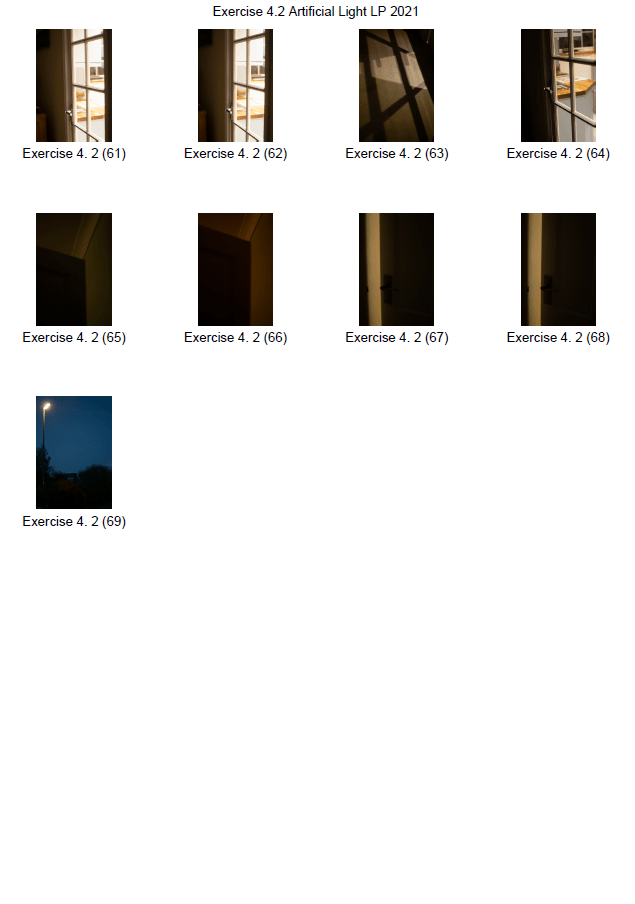
Exercise 4.2 – Artificial Light

Notes, Online Research, Part 4, Reflection on coursework

Summary

In this post I;

– Included the brief for this exercise.

– Researched Sato Shintaro and Rut Blees Luxemberg’s work before analysing one image of theirs very briefly.

– Provided a small description about my camera and shoot preparation

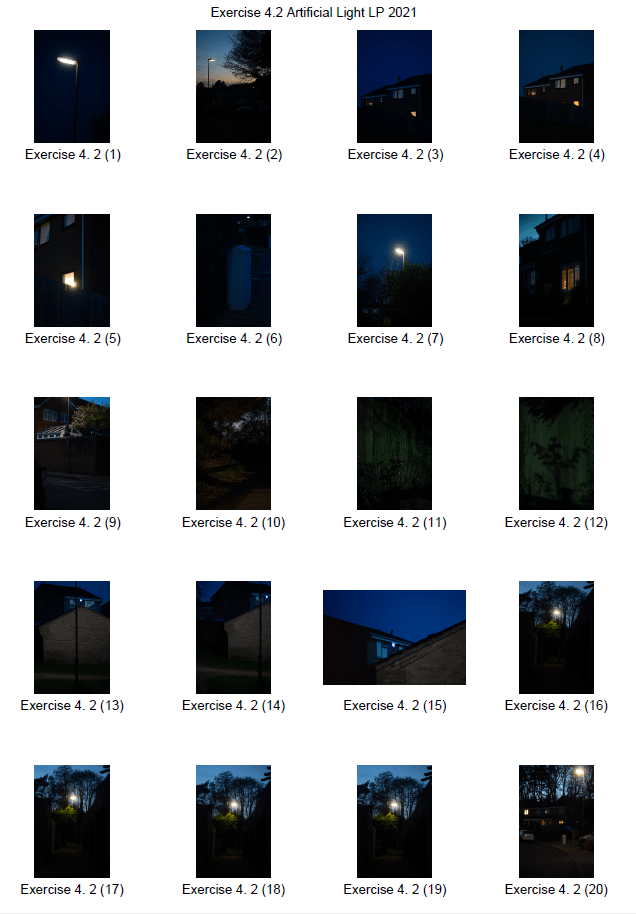
– Before including the contact sheets for this particular exercise.

– I then chose 5 images from the shoot and analyses each one in terms of technique and the quality of light within them

– And finished the post with a short reflection of the exercise as a whole.

‘Capture ‘the beauty of artificial light’ in a short sequence of shots (‘beauty’ is, of course, a subjective term). The correct white balance setting will be important; this can get tricky but interesting – if there are mixed light sources of different colour temperatures in the same shot. You can shoot indoors or outside and the light can be ambient or handheld flash‘ (Bloomfield, 2018).

Sato Shintaro – (1969- )

Sato Shintaro is a Japanese freelance photographer who graduated from Tokyo College of Photography (1992) and Waseda University, School of Letters, Arts and Sciences (1995). Shintaro is well known for his brightly lit Tokyo cityscapes, Night Lights (1997-9), one of many photo series (Shintaro, 2020).

Shooting during dusk allows any surroundings lit by artificial light to stand out in ways daylight cannot. The tones are much crisper, while shadows are significantly darker and highlights are glaring. While this is possible with direct sunlight, the colours are usually more washed out and have a greater risk of overexposure, causing the images to blow out. The main difference between day and night photography is that daytime images are usually warmer in temperature and contrast.

Shintaro’s work is well balanced so that the viewer has much to look at in detail. Light bounces off all of the subjects around without becoming a black block due to underexposure. The colours are vibrant, busy and fill the frame, which encapsulates the hustle and bustle of city life without including people in the shots. Asian culture is beautiful and striking; seeing such elements and the traditional decorations throughout these images is delightful.
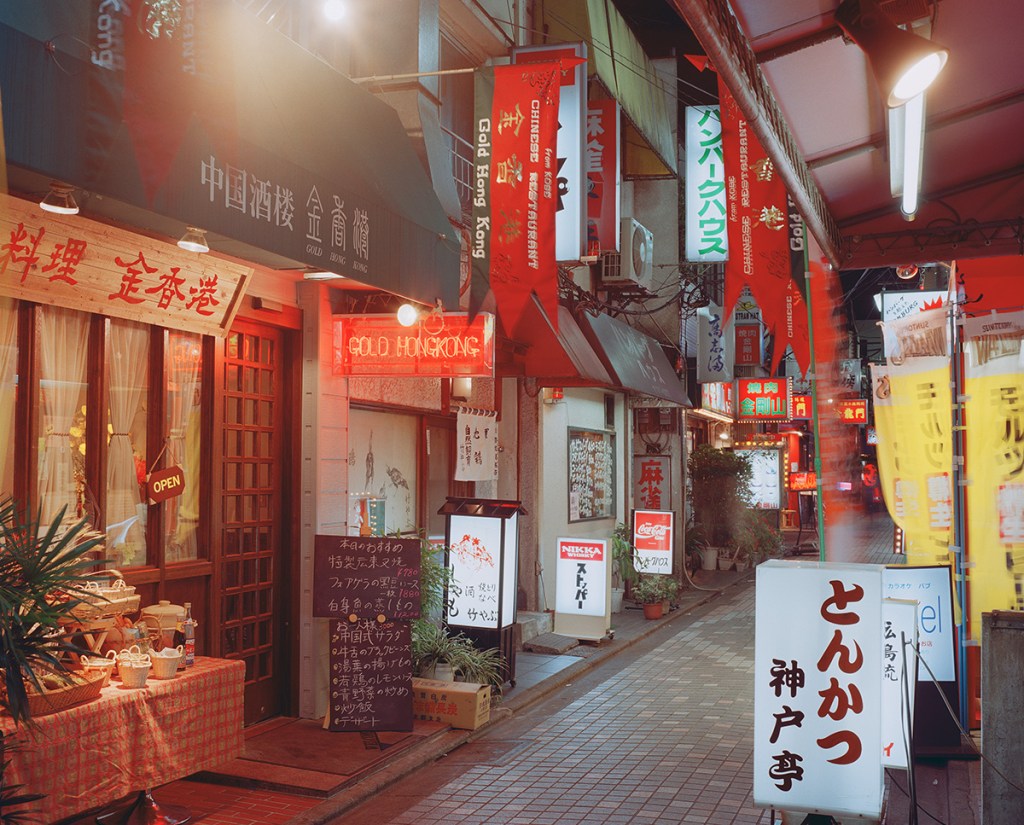
Fig. 1. Nakano, Tokyo (Shintaro, 1997-9)

Nakano (1997-9) is possibly one of my favourite images from Shintaro, as the composition is warm and cosy as the bright yellows and reds help the white lights be less harsh on the eyes. The alleyway feels close, compact and welcoming, much like the restaurant on the left. The photograph is balanced, full of geometry from the rectangular signs and buildings, a mixture of vibrant colours and cool nighttime tones on the pavement below. Some of the bulbs higher up have created lens flares but emit softer rays than crisp glaring ones. In my opinion, this shot represents the many Asian people who welcome others into their culture and communities through their friendly, enthusiastic personalities and traditions. 

Rut Blees Luxemberg (1967 – )

Rut Blees Luxemberg is a German-born photographer based in the UK, well known for her urban photography work (Artimage, 2017). Much like Shintaro, Blees Luxemberg shoots at night when capturing urban landscapes as, ‘The night is a space of freedom, where certain demands of the day are temporarily suspended’ (Blees Luxemberg, 2018). 

The reduction of movement captures different energies in comparison to busy high streets or buildings lit by daylight. Instead, evidence of life features throughout illuminated buildings, lit streets and items/natural elements left behind ‘But photographs are not just a record of a moment passed, they can also be an imagination or visual premonition of possible futures’ (Blees Luxemberg, 2018).

Her aesthetic is consistent throughout the images, ranging from greens to greys to cool hues, warm yellows and oranges. The combination of colours emits an eerie and grungy mood through her works which seems quite fitting for the series titled Liebeslied, My Suicides.
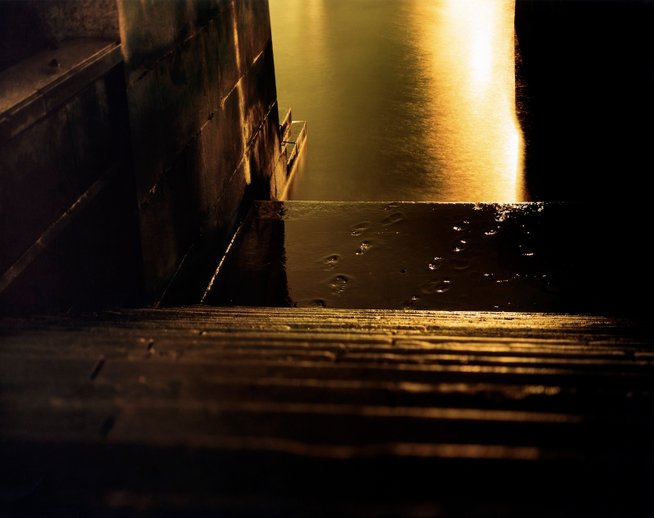
Fig. 2. Nach Innen / In Deeper (Blees Luxemberg, 1999)

In Deeper (1999) was shot from what looks like multiple sets of stairs but could also be a few small steps towards a small platform. We are unaware of the location due to the lack of context within the black shadows of this photograph. Reflections in the frame imply that it has rained or flooded due to the water in the background. The texture is prominent throughout this work, from the stone steps, ageing walls or brickwork from the building on the left, the water and ripples we can see in the yellow light shining in from the right of the frame. Leading lines, a slightly shallow depth of field in the foreground, draw the eyes downstairs towards the lights and water in the background. ‘In Deeper‘ may suggest that this is a picture of a river, sea or flood, purely because of how deep the water looks and how far the reflection of light continues.

Compared to Shintaro, Blees Luxemberg’s work is much warmer in white balance than the white bulbs and LED’s featured in Shintaro’s Night Lights (1997-9). The photographs featured in My Suicides (1997-2000) are much darker and higher in contrast. With these different aesthetics in mind, this helped make my shoot for this exercise even more exciting, as I was able to explore a range of photographic techniques in one swoop.

Camera preparation

As it is now springtime, I had to wait until around half past eight at night to head out and take photographs for this particular exercise. My Sony A57 was already preset to manual mode, but I had to reset the white balance to auto to prevent any unwanted colour casts in the images taken during blue hour. An ISO of 200 enhanced the brightness without causing too much grain in the darkest areas. A large aperture of F1.8, allows for more light to enter the camera, ideal for night photography as it reduces the need for too slow a shutter speed if the camera isn’t on a tripod.

The shoot plan was simple as I took a short walk around my local area, observed the light from artificial light sources and how it shone on its surroundings and effects had on any subjects in the frame.

Images for analysis

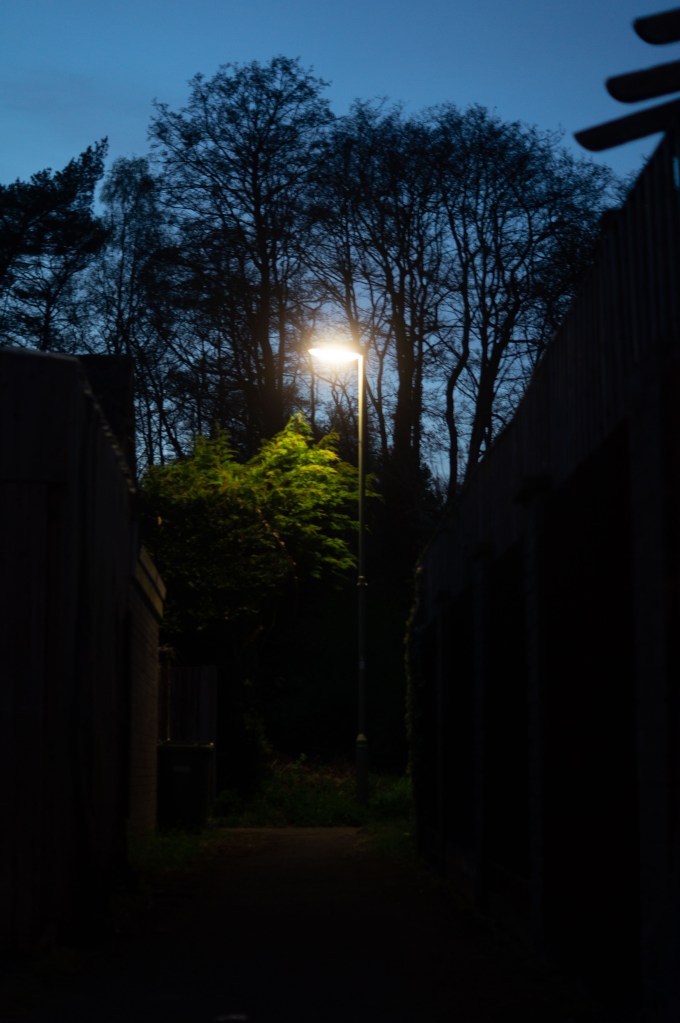
1 – Despite taking the image during the blue hour, the period after sunset or just before sunrise, there is very minimal light to illuminate the buildings in the foreground. Secluded areas struggle to be lit during the evening regardless of artificial light due to the obstacles blocking most light sources. If I were to take the image during the day with a more powerful light level, we would see the buildings in their entirety. The sky brings a burst of colour to the composition, emphasising the shape of the buildings in the alleyway. Houses have helped frame the image nicely and document the lack of space that is in the shot. Focal pointwise, the bright white bulb from the streetlamp and the top of the tree leaves towards the background stand out before the eyes are drawn towards the soft spotlight below, lighting the pathway. The mood is mysterious and allows the brain to wonder was is around the corner or where this is. 

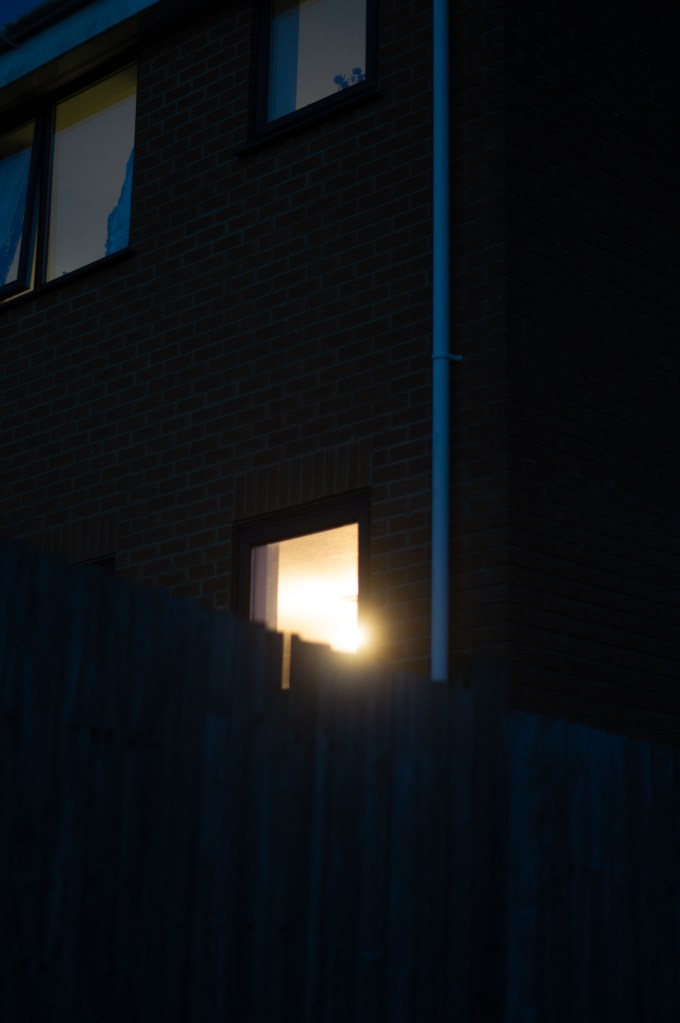
2 – This building is in an open space, so the remaining light just after sunset was able to light the brickwork of the flats in the frame, as well as the fencing surrounding it. Added details such as these provide a context of location, type of building, how long it’s been there for; e.g. a partly broken fence implies it’s been up for a long time and endured some wear and tear. Reflections add both texture and depth to the composition, rather than it being a flat 2D image. A warm light source from the window just below the mid-frame brings a sense of home to the photograph and welcomes the viewer into a comforting space. The camera’s position compared to the fence and light source caused a lens flare to occur. As a result, it looks as if there were a torch pointing directly towards us. The tonal range is cold and suits the crisp spring evening while documenting blue hour well. 

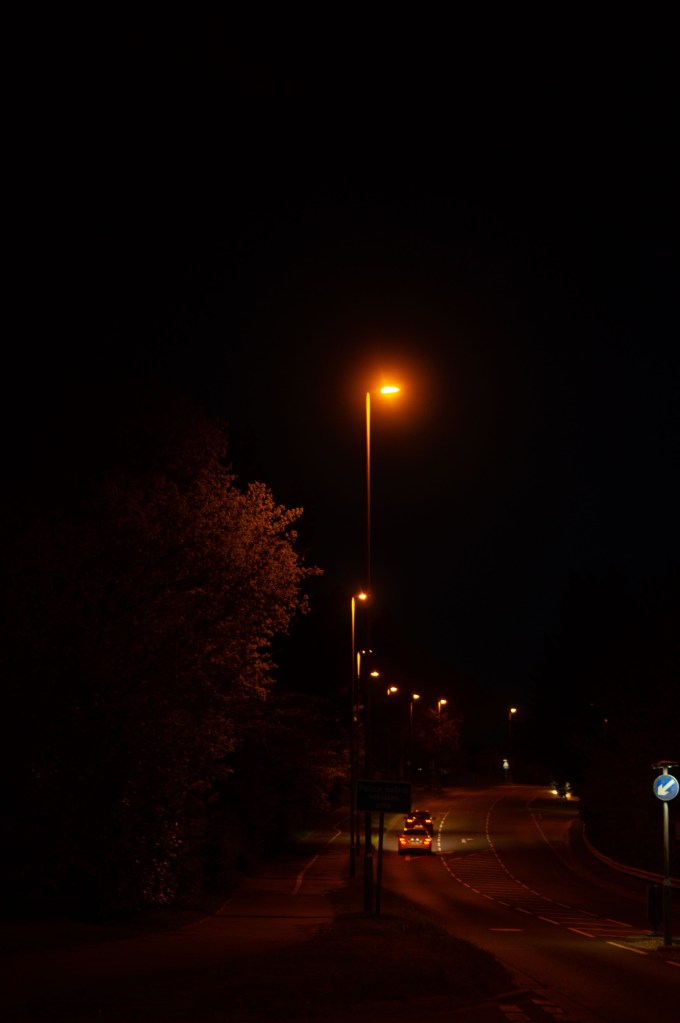
3 – With the blue hour long gone, the warmer streetlights can fully light the main road for the cars and pedestrians walking past, as seen in the far background. The white balance was changed to daylight for these shots to enhance the temperature of the bulbs and reflect Blees Luxemberg’s yellow/orange hues. Streetlights may be higher from the ground than most light sources, but they’re powerful enough to light the paths below like daylight would, just a lot softer in appearance. Headlights from cars are blinding for a good reason. Not only do they assist drivers to see where they’re going and if there are any obstacles ahead, but for the safety of other drivers so they’re aware of cars surrounding them. The contrast between the white light patch midframe and the yellow light brings balance to the frame, preventing it from looking like a sepia image, which I dislike as a photographic technique. The images leading lines draw the viewers eyes from the softly lit tree on the left, up and around the curves of the road swallowed by the black night sky. 

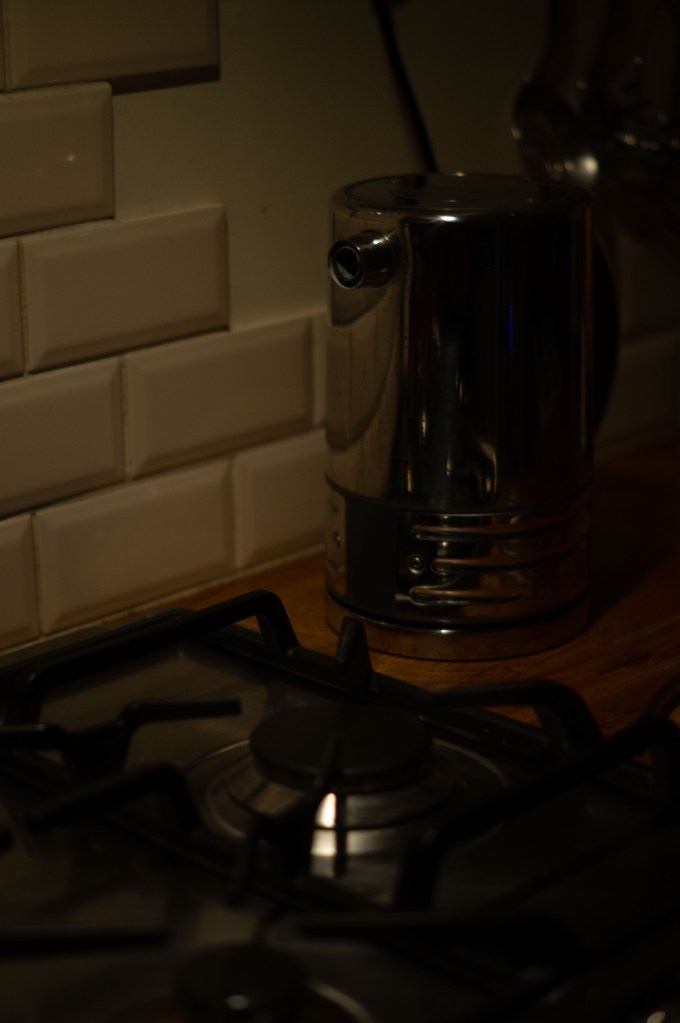
4 – For image number 4 the light source comes from the cooker hood that is purposely brighter where the oven hobs are but much softer to the sides. Reflections from the kettle and oven top provide texture and context to the materials and shape of these objects. For example, the curves of the tiles reflect in the round kettle body. A small patch of the wooden worktop has warmed the frame up and made it feel more homely like a cottage kitchen would. Light coming from the left has created a soft shadow on the right-hand side of the frame, gently illuminating the utensils on the wall, making the kettle the main focus of the composition. 

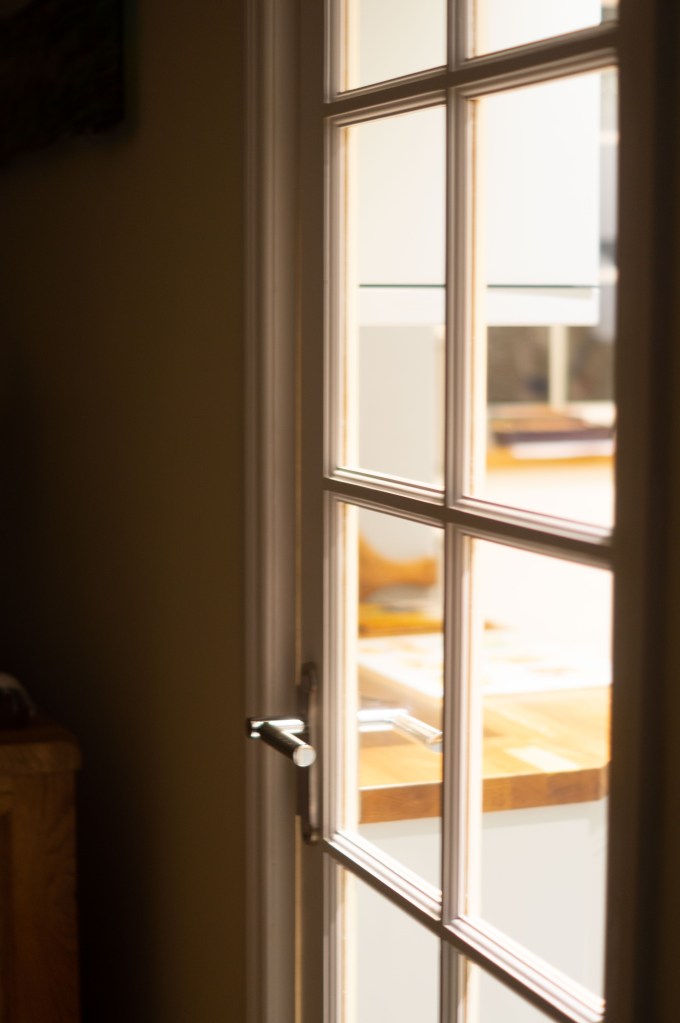
5 – This area has been fully lit by the light from the ceiling, allowing us to see the worktops, cupboards, windows and other items on the side. The door has light shining through, so we can see the cold metal handle and carved details in the window frames, which is a subtle detail to see. More context allows the viewer to understand a bit more about the subjects, where it is and the lifestyle of the people living there, much like Sato Shintaro’s works. Due to the light source coming from the right and straight out the door, means that the walls to the left are just out of range, full of shadows, bringing depth to the image. The composition is full of shapes, geometric or otherwise, as well as being warm and welcoming.

Reflection

Artificial and natural light can range from intense to soft depending on the light source, its position and the location, however, the majority of the images taken during this exercise have been dimly lit, creating softer and mysterious compositions compared to a brightly lit photograph taken in daylight where we have further context. No source of light is more superior to the other, as each is important. Without artificial light, we wouldn’t have the privilege of travelling at night or navigate around our homes in the dark. I prefer to work with natural light as I enjoy the softly lit compositions rather than harsh highlights and shadows from studio lights. This exercise, however, has made me appreciate artificial light much more and the kinds of images you can capture. Sato Shintaro’s work is a prime example of breathtakingly beautiful night photographs, full of life and detail.

References:

Blees Luxemberg, R. (2018) London: A visual love song [online] Available at: https://www.1854.photography/2018/02/rut-blees-luxemburg-modern-project-liebeslied/ (Accessed 26 April 2021).

Bloomfield, R., 2018. Photography 1: Expressing your Vision. 4th ed. [pdf] Barnsley: OCA, p. 87. Available at: https://www.oca-student.com/course/photography-1-expressing-your-vision [Accessed 27 April 2021].

Shintaro, Sato. (2020) Profile [online] Available at: https://sato-shintaro.com/profile/ (Accessed 26 April 2021).

List of images:

Figure. 1. Shintaro, S. (1997-9) Nakano, Tokyo [image] Available at: https://sato-shintaro.com/work/night-lights/ (Accessed 26 April, 2021).

Figure. 2. Blees Luxemberg, R. (1999) Nach Innen / In Deeper [image] Available at: https://rutbleesluxemburg.com/liebeslied-2 (Accessed 26 April 2021).

Figure. 3. Powell, L. (2021) Contact sheet 1 [pdf, screenshot] In possession of: Lauren Powell: Eastleigh.

Figure. 4. Powell, L. (2021) Contact sheet 2 [pdf, screenshot] In possession of: Lauren Powell: Eastleigh.

Figure. 5. Powell, L. (2021) Contact sheet 3 [pdf, screenshot] In possession of: Lauren Powell: Eastleigh.

Figure. 6. Powell, L. (2021) Contact sheet 4 [pdf, screenshot] In possession of: Lauren Powell: Eastleigh.

Figure. 7. Powell, L. (2021) 1 [pdf, screenshot] In possession of: Lauren Powell: Eastleigh.

Figure. 8. Powell, L. (2021) 2 [pdf, screenshot] In possession of: Lauren Powell: Eastleigh.

Figure. 9. Powell, L. (2021) 3 [pdf, screenshot] In possession of: Lauren Powell: Eastleigh.

Figure. 10. Powell, L. (2021) 4 [pdf, screenshot] In possession of: Lauren Powell: Eastleigh.

Figure. 11. Powell, L. (2021) 5 [pdf, screenshot] In possession of: Lauren Powell: Eastleigh.
Assignment 3 – Tutor Feedback

Assignment 3, Reflection on assignments, Reflection on feedback, Thoughts & Ideas

I have received formal feedback from my tutor for my third assignment ‘The Decisive Moment’. Considering this particular assignment took a long time to complete due to personal situations, I am happy with the response I got.

Here is a summary of the comments received via email:

Strengths:

– Strong interpretation of the ‘ongoing’ (in)decisive moment through the representation of time in the still life flower.
– Using the domestic setting shows a strategic conceptual documentation of the private and quotidian, rather than the public realm of most decisive work.
– Good references about technical approaches.
– Explores the technical/conceptual and how it alludes to still life.

Weaknesses:

– Define critical terms right away concisely with a firmer introduction to the assignment.
– Show the subject, presentation and give context to the approach, so tell them rather than let them find out themselves.
– Link what I’ve found via references but be clear on the subject to start with.
– Expand my points further with ‘whys’ with references to show how I’ve done something.

Areas of development:

– Attach annotated contact sheets to show how I got to a certain technical decision etc.
– Explain concept initially and expand later one in more detail.
– Lead reader into the subject and reference my evidence to back it up.
– Reference influences and how I interpreted the assignment.

Reflection:

Once again, I need to work on being more concise but avoid being too vague by referencing and explaining my approaches in more detail. Write about what’s relevant and the influences I used within my own work is important. I need to lead my readers into the subject and further expand with evidence at a later point. Overall, I have the ideas there and the strong images to show that I’ve understood the assignment, however, my written work needs to be clearer and reflect exactly what I discovered. They’ve noted that it’s difficult to do, but worth getting the hang of early on.

Exercise 4.1 – Daylight

Online Research, Part 4, Practitioner Research, Reflection on coursework

Summary:

In this post I have

– Mentioned the brief for this exercise.
– Briefly explained my process for choosing Eugene Atget as my starting point for these images.
– Gave a short description about Atget’s work and what he was well known for, plus his approaches.
– Briefly covered where I was taking my images and why.
– Listed my camera settings and the reasoning behind these choices.
– Included contact sheets of all the images shot for this exercise and picked out 5 to analyse.
– Gave a short analysis for each chosen image, exploring the light and how it effected the compositions.
– Reflected on this exercise as a whole and what it taught me.

Taking the photography of Mann, Atget or Schmidt or a photographer of your own
choosing as your starting point, shoot a number of photographs exploring the quality of
natural light. The exercise should be done in manual mode and the important thing is to
observe the light, not just photograph it. In your learning log, and using the descriptions
above as your starting point, try to describe the quality of the light in your photographs in
own words
‘ (Bloomfield, 2018).

To avoid overthinking the practitioner in which I would gain inspiration, I searched each one via Google and scanned through a few images to see which one stood out most to me. By doing this, I was drawn towards Eugène Atget, as his work contains a variety of approaches as mentioned in the EYV coursebook; ‘He usually made such images – see, for example, Environs, Amiens – in the middle of the day, when shadows were minimal. Atget’s late photographs, however, are frequently marked by subjective light and deep shadows’ ([Artist description], n.d).

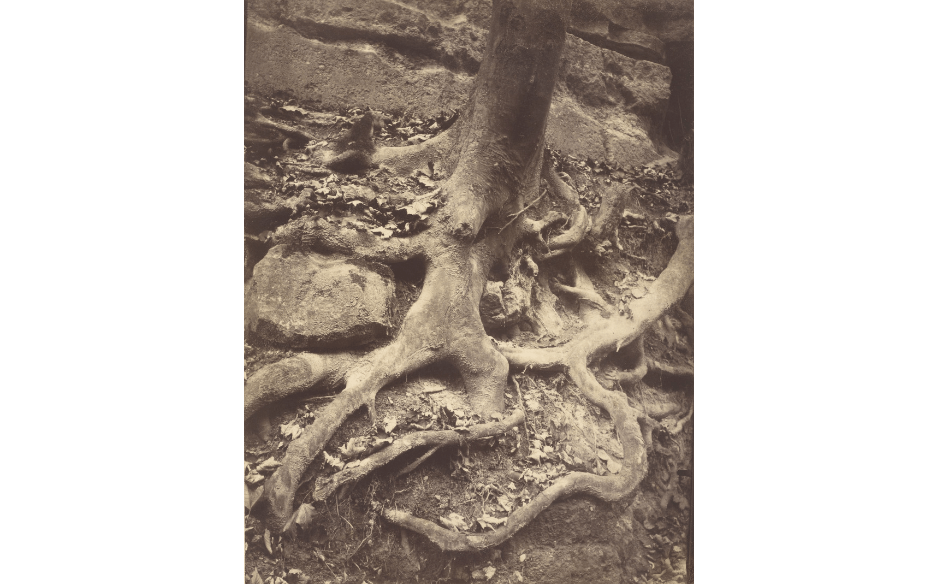
Atget was a French photographer who is well known for his imagery of the architecture and streets within Paris. Keeping the idea of outdoor photography in mind, I took the opportunity to complete the exercise while out on a walk around the woods. Quite a few of his works included nature, trees especially (see Fig. 1) so my images were still taking influence even without architecture or street imagery.

Fig. 1. Saint-Cloud, Tree Roots, Saint Cloud Park (Atget, 1906)

While most of his works featured diffused light, in turn capturing a clear and detailed composition, there were also the occasional shots that included heavy shadows or highlights to provide depth and show silhouettes of the surroundings or subjects. The dynamic approach is what I took on board while exploring my surroundings, allowing me to capture a range of images that fell into both of these categories.

Contact Sheets:

Before shooting images, I set the white balance to auto mode to avoid any artificial temperature changes within the camera. The aperture was set to F1.8 for no other reason than personal preference and set the camera mode back to manual following a mini light meter exercise. My 75mm lens was also set to manual mode, allowing me to take time to observe the light and actively be aware of the depth of field for each area I shot.

Images for analysis:

1 – The light shining through the trees from the east caused shadows to fall on the sunrays below. The sky is bright but not so much that it has blown out the composition. The leaves on the left show warmth from the sun, juxtaposing the cool and shadier shadows. Shooting this image as a portrait has allowed the tall trees to frame the top, providing context to what is blocking the light and how closed in this location is.

2 – The small patches of light that shone through the gaps within the leaves of bushes and trees create a focal point for this photograph by enhancing the darker areas within the frame. The size and textures of the rocks are enhanced by the contrast of highlights and shadows, preventing them from looking flat and smooth. Light can be used as a spotlight for the subject, leading the viewer towards the significant elements within the composition.

3 – Unlike the previous photographs, this one is more diffused and lacks much depth. Despite the lack of shadows and highlights, there are still reflections and shapes within the water that provides movement and texture to the composition. In my opinion, it feels less exciting as the colours are neutral. Nonetheless, exploring the importance of natural light and its effect on a subject is what this exercise is all about, whether we like the result or not.

4 – The light came from behind the camera, as opposed to the sides or directly in front of the lens. As a result, instead of capturing the silhouette of the leaves and branches, we can see the light green and veins of the leaves. Other images in this collection lack a deep depth of field because of the enclosed areas, so to capture such a soft, diffused image that is also full of depth shows how light and location can affect the mood or overall result of a piece of work.

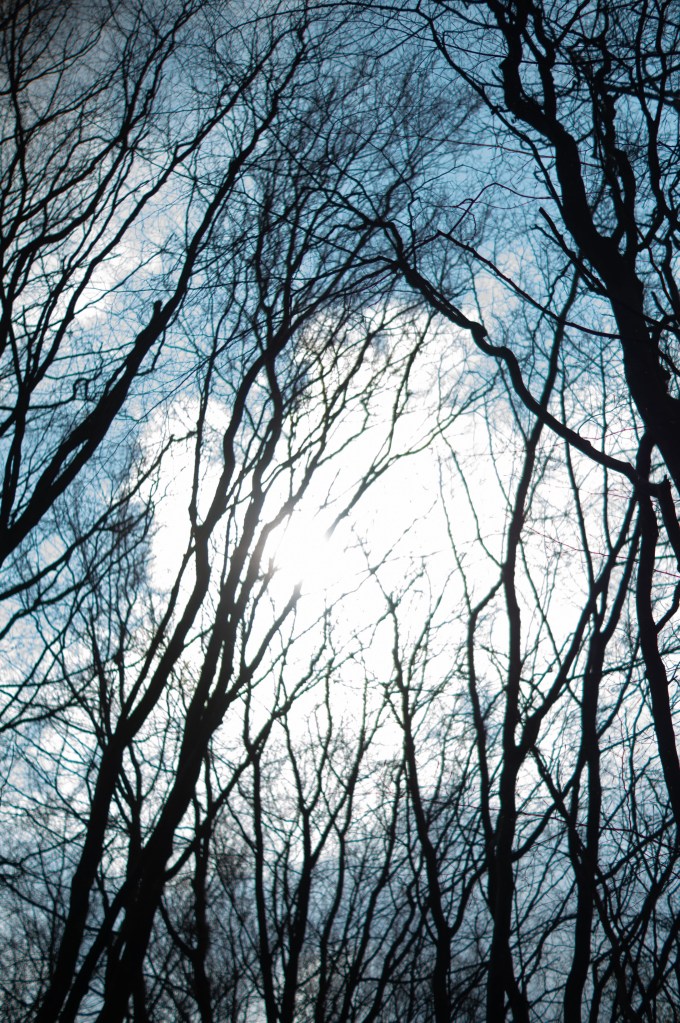
5 -Shooting directly at the sun has caused the camera to capture the skeleton silhouettes of the group of trees in the frame. There is no light from behind to shine on the branches to illuminate the textures of the wood, so they become spindly lines that are cutting through the sunrays. Due to a clear sky, we can see small patches of blue that bring a pop of colour to an eerie photograph. The sun glare in this shot creates a juxtaposition between images 2 and 4, where the light is bright but not enough to cause the lens to be overwhelmed.

Reflection:

This exercise helped me understand the power of light and the significance that it has within photography. Without it, capturing images would be impossible, but playing around with light and observing how it falls can be the difference between a good and bad image. I have learnt that I prefer using more dynamic and contrasting light rather than diffused when it comes to outdoor photography due to the enhanced shapes, textures and colours within the composition. My favourites from this image set are 2 and 5 (see Fig. 5., and Fig. 8), for that very reason. Diffused natural light feels better suited for indoor photography from a personal standpoint. Ultimately, however, it depends on the picture and what effect you want to create, as seen in image 4 (see Fig. 7).

References:

[Artist description]. (n.d) Photography 1 Expressing Your Vision Barnsley : OCA.

Bloomfield, R., 2018. Photography 1: Expressing your Vision. 4th ed. [pdf] Barnsley: OCA, p.84. Available at: https://www.oca-student.com/course/photography-1-expressing-your-vision [Accessed 22 April 2021].

List of images:

Figure. 1. Atget, E. (1906) Saint-Cloud, Tree Roots, Saint Cloud Park [Photograph] Available at: https://www.getty.edu/art/collection/objects/63460/eugene-atget-saint-cloud-tree-roots-saint-cloud-park-french-negative-1906-print-1920s/ (Accessed 22nd April 2021).

Figure. 2. Powell, L. (2021) Contact sheet 1 [pdf, screenshot] In possession of: Lauren Powell: Eastleigh.
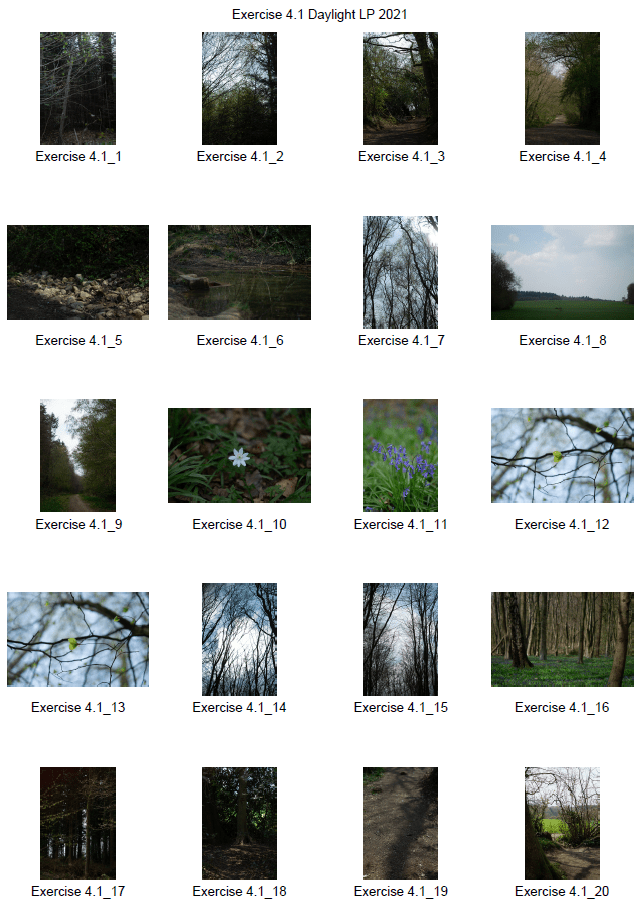
Figure. 3. Powell, L. (2021) Contact sheet 2 [pdf, screenshot] In possession of: Lauren Powell: Eastleigh.

Figure. 4. Powell, L. (2021) 1 [image] In possession of: Lauren Powell: Eastleigh.
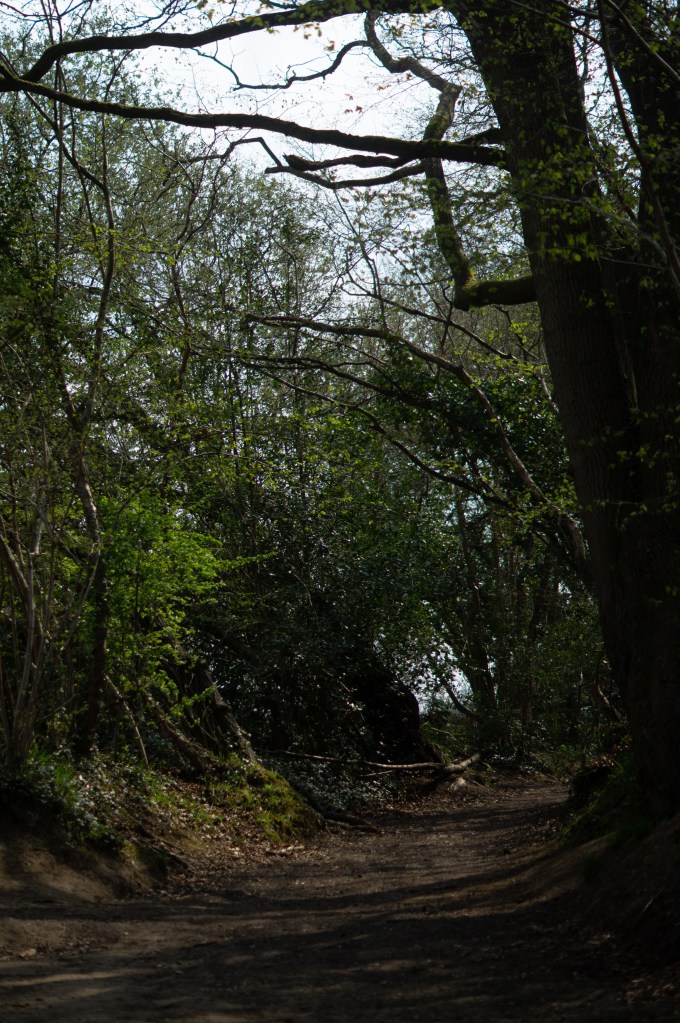
Figure. 5. Powell, L. (2021) 2 [image] In possession of: Lauren Powell: Eastleigh.
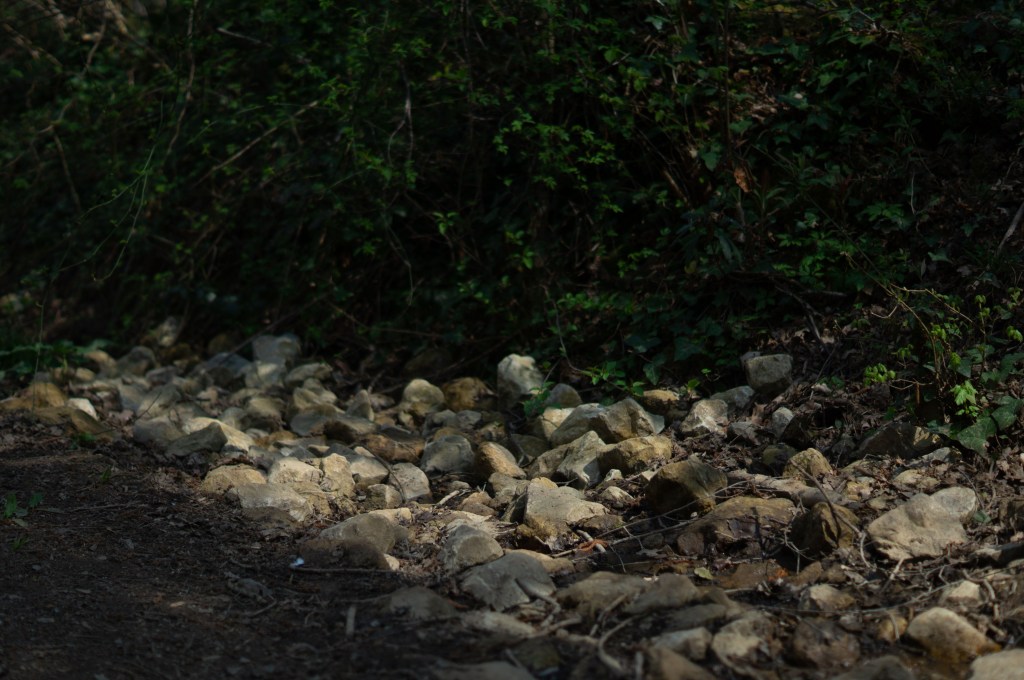
Figure. 6. Powell, L. (2021) 3 [image] In possession of: Lauren Powell: Eastleigh.
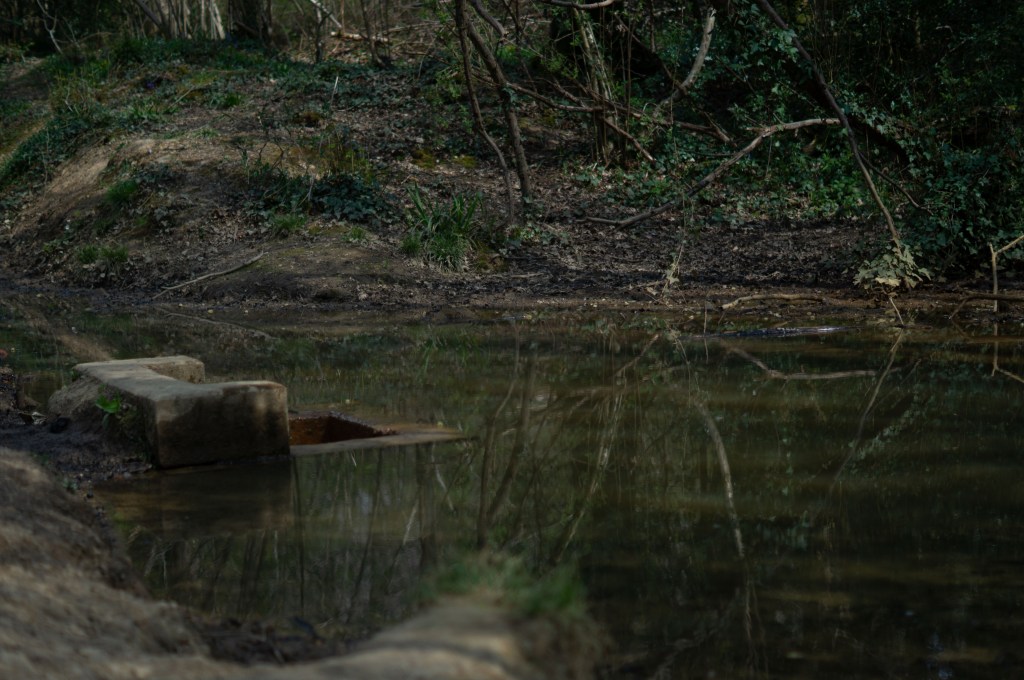
Figure. 7. Powell, L. (2021) 4 [image] In possession of: Lauren Powell: Eastleigh.
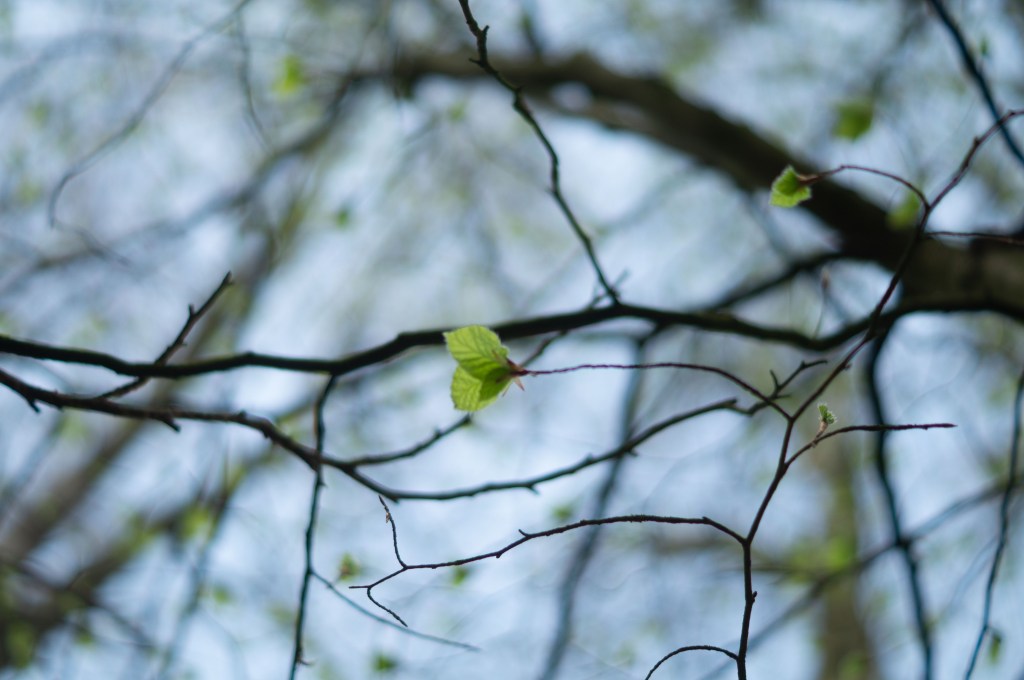
Figure. 8. Powell, L. (2021) 5 [image] In possession of: Lauren Powell: Eastleigh.


Part 4 – The languages of light

Notes

Summary:

In this post I have

– Explained the short exercise and how to set up the camera.
– Described my camera and subject set up.
– Included images and histograms from auto-mode with a brief conclusion about what I found.
– Before repeating the exercise again with manual mode, inserting the images and histograms to explain the differences between auto and manual.
– Briefly concluded this exercise, what I discovered and how it’s helped me learn.


If you’re not completely sure how your light meter works, try this exercise. Set your camera to
any of the auto or semi-auto modes. Photograph a dark tone (such as a black jacket), a mid-tone
(the inside of a cereal packet traditionally makes a useful grey card) and a light tone (such as a
sheet of white paper), making sure that the tone fills the viewfinder frame (you don’t have to
focus)
‘ (Bloomfield 2018).

Albeit a short exercise, this one was an interesting one to do as I’ve never thought about the light meter within a digital camera as it’s less prominent than the one in a film camera which lets you know whether your settings are optimal or not. With digital cameras you have a screen informing you of the result you will achieve, in turn, it’s easier to forget about the light meter.

After exploring my Sony A57 settings a little further to figure out which monitoring mode my camera was set on (spot mode), I grabbed a black coat, the inside of a cereal bar box and a white sheet of paper. They were all placed in direct sunlight to make sure each setup was the same, but despite knowing from the exercise write up that ‘In auto and semi-auto modes the light meter is calibrated to the mid-tone’ (Bloomfield, 2018) I was still surprised to see that each image was dull and grey.

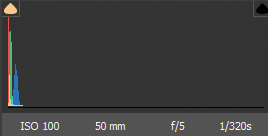
Even though each image looks the same aesthetically, as shown in the histogram, there are still some differences that can be seen in the grey card and black coat histograms (see Fig. 5., and Fig. 6) which I assume represents higher exposure levels to get the darker subject to a mid-tone.

I then set my camera back to manual mode to see the difference in both the images taken and the light meter. The light meter was changing as the lens was pointing particular colours in the room, something that couldn’t be seen in auto mode and something I’ve never noticed before being made aware of it via this exercise.

The histograms for these pictures show clear differences just like each image in this set, showing the extreme whites, extreme blacks and of course the middle point with the grey card. In auto mode, we have less control over the camera settings as it makes the decisions for us based on the shooting circumstances, this can sometimes mean less dynamic images due to this inability to control aperture and shutter speed. With manual mode, we can control all aspects of the image, from the depth of field, to the exposure of the image and whether we want a dark, shadow filled image or a light, highlighted image.

This has been such an exciting exercise to explore and has helped me understand my camera much more than before. Light is so important within photography, as it can be the difference between a good and a great image.

References:

Bloomfield, R., 2018. Photography 1: Expressing your Vision. 4th ed. [pdf] Barnsley: OCA, p. 80. Available at: https://www.oca-student.com/course/photography-1-expressing-your-vision [Accessed 19 April 2021].

List of images:

Figure. 1. Powell, L. (2021) White sheet [image] In possession of: Lauren Powell: Eastleigh.

Figure. 2. Powell, L. (2021) Grey card [image] In possession of: Lauren Powell: Eastleigh.

Figure. 3. Powell, L. (2021) Black coat [image] In possession of: Lauren Powell: Eastleigh.

Figure. 4. Powell, L. (2021) Histogram 1 [Photoshop, screenshot] In possession of: Lauren Powell: Eastleigh.
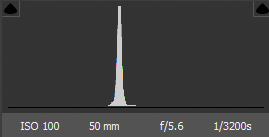
Figure. 5. Powell, L. (2021) Histogram 2 [Photoshop, screenshot] In possession of: Lauren Powell: Eastleigh.
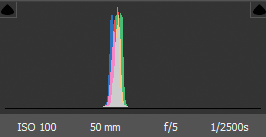
Figure. 6. Powell, L. (2021) Histogram 3 [Photoshop, screenshot] In possession of: Lauren Powell: Eastleigh.
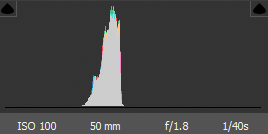
Figure. 7. Powell, L. (2021) White sheet 2 [image] In possession of: Lauren Powell: Eastleigh.

Figure. 8. Powell, L. (2021) Grey card 2 [image] In possession of: Lauren Powell: Eastleigh.

Figure. 9. Powell, L. (2021) Black coat 2 [image] In possession of: Lauren Powell: Eastleigh.

Figure. 10. Powell, L. (2021) Histogram 4 [Photoshop, screenshot] In possession of: Lauren Powell: Eastleigh.
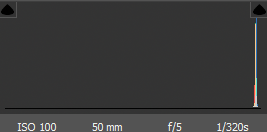
Figure. 11. Powell, L. (2021) Histogram 5 [Photoshop, screenshot] In possession of: Lauren Powell: Eastleigh.
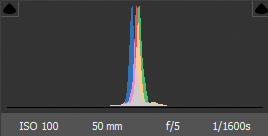
Figure. 12. Powell, L. (2021) Histogram 6 [Photoshop, screenshot] In possession of: Lauren Powell: Eastleigh.
Assignment 3 – The (in)decisive moment -write up

Assignment 3

The indecisive moment challenges the belief that a singular extraordinary moment is the most important and unique to capture, by recording periods of chaos and uncertainty, in turn, allows the viewer to explore multiple paths within an image. The decisive moment requires patience to document that once in a lifetime shot, showing balance and well thought out composition.

The unpredictability that took place during this assignment; pushed me to explore the indecisive moment. The in-decisive felt like the most fitting approach to pursue, despite my initial interest in the decisive. 

Lockdown restrictions meant that plans had to change due to social distancing and the inability to travel far from home. Shooting in a domestic environment, where I could control what was happening, seemed like the most logical and achievable. Formulating a mindmap allowed me to figure out the best and most achievable photoshoot to explore within the home. Ideas such as, but not limited to, capturing the ordinary, invisible, empty moments, or documenting people within the home, while removing expression and gesture to reflect on Thomas Ruffs ‘Dead Pan’ approach, to ‘confound our expectations of discovering a person’s character through their appearance’ (Cotton, 2014, p. 106). Face masks remove facial expressions, forcing us to come up with a conclusion about the person beneath with very little information. 

Nick Waplington perfectly captured the reality of life and the sporadic moments that occur from day to day by taking snapshots of families during their most intimate and personal periods using his film camera. Removing the context within his images allows the mind to create theories about what is taking place. ‘Living Room’ (1991) is a perfect example of this and one that I analysed well to understand what an indecisive moment could be. ‘A time full of uncertainty and disorganisation, mixed emotions and lack of stability in the area. Waplington’s use of a fast shutter speed has frozen at least eight different moments in time, if not more that we cannot see directly’ (Powell, 2021). 

However, living in a small household made these sporadic and busy moments more unlikely to achieve. As a result, I took the idea of ‘isolation’ and capturing invisible moments, as Michael Wesely did by capturing double exposures of flowers and fruits decaying over time, as discussed in my Durational Space (Powell, 2020) research earlier on in the assignment. Life and death are inevitable but is not something we physically see happening unless we slow time down. Keeping the camera open while things continue to decay is one way of achieving this. 

Martin Dietrich’s black and white double exposures of people in the project The Ghosts That Carried Us Away (2014) are both abstract and minimalist in nature. The ghostly figures of movement that occurred while the shutter was open paint a path of indecision and lack of freezing one moment as it happened. The removal of colour and location allows the audience to decide the story, mood and context of the image.

Nigel Shafran took snapshots of the same kitchen across various time frames, showing indecisiveness and proving that each moment is just as important as the last as it shows life.

Combining the discussed techniques and approaches, along with Shafran’s interest in the mundane and every day, encouraged me to do a test shoot and follow the life/death of perishable goods. 

A quick test shoot using my Sony A57 allowed me to decide whether this was the type of project I wanted to do and what to change if anything. Direct sunlight caused my images to have vignettes due to the harsh shadows surrounding the subject and blowing out the exposure. As a result, I decided to set my final image items up in a location where the sunlight would not be too strong and ruin the compositions. I felt as if the decaying would be more visible if the items were upright and shot from the front rather than from above, allowing gravity to help with the wilting process.

Reflecting on my final images, I believe that I have understood the indecisive moment well. Hand-picking the items, organising the setup and photography timeframes; helped me to create unique and extraordinary moments of my own. I caught moments that usually go unseen, such as the movement and appearance changes during the decaying process, before overlapping the multiple images in Photoshop to create ‘double exposures’ like Wesely and Dietrich. Post-processing allowed me to enhance the shadows, textures and shapes within each layered image, formulating photographs full of movement, colour and grain similar to Waplington’s film photography. Examples of this are the most prominent in images Four, Six, Eight and Twelve, where the colours are highly saturated and dark compared to 4, 8 and 12 (Powell, 2021). The ordinary and every day is beautiful, as is the natural process of life and death, which isn’t the same for everyone, making each cycle just as valuable and unique.

This assignment has taught me the importance of composition, the beauty of the mundane, helping me ‘understand both the decisive and (in)decisive moment in a much clearer way and the differences between the two, albeit it is small’ (Powell, 2021).


References:

Cotton, C. (2014) The Photograph as Contemporary Art. 3rd ed. London: Thames & Hudson.

Dietrich. M. (2014) The Ghosts That Carried Us Away [image] Available at: https://www.behance.net/gallery/14029499/The-ghosts-that-carried-us-away (Accessed 30 March 2021).

Powell, L. (2020) Project 2 – Durational Space – Research [online] Available at: https://laurenpowelloca.photo.blog/page/2/ (Accessed 30 March 2021).

Powell, L. (2021) (In)decisive moment practitioner research [online] Available at: https://laurenpowelloca.photo.blog/2021/03/28/indecisive-moment-practitioner-research/ (Accessed 30 March 2021).

Powell, L. (2021) Contact sheet and final image selection [online] Available at: https://laurenpowelloca.photo.blog/2021/03/28/contact-sheet-and-final-image-selection-2/ (Accessed 30 March 2021).

Waplington. N. (1991) Living Room [image] Available at: https://loeildelaphotographie.com/en/nick-waplington-living-room-bb/ (Accessed 30 March 2021).